REVIEW · SAN MIGUEL DE COZUMEL
Cozumel: Cooking Class with Josefina
Book on GetYourGuide →Operated by Cozumel Chef Food Tours · Bookable on GetYourGuide
A market stop turns dinner into a lesson. This Cozumel class pairs an El Mercado market walk with hands-on cooking led by Josefina’s team, so you learn why ingredients matter before you ever touch a stove. I like that it stays practical: you’re taught how to use the tools that shape real Mexican flavor, not just which dish to make. I also love the small-group setup, capped at 8 people, so questions don’t get lost in the crowd.
One thing to plan for: transportation to the meeting point isn’t included, so you’ll need to handle getting there on your own.
In This Review
- Key things to know before you go
- El Mercado Market Walk: The best part starts before the kitchen
- Josefina’s Kitchen Setup: Learning the tools that make Mexican food work
- Margaritas and agua frescas: Drinks you actually make
- Cooking hands-on: Tortillas, sauces, guacamole, and more
- Why the sauces matter
- The guacamole lesson
- Personalized to you: Diet, experience, and what to tell them up front
- Small-group flow and timing: What 3 hours feels like
- Price and value: Is $110 a fair deal?
- Who this Cozumel class is best for
- Should you book Cozumel Cooking Class with Josefina?
- FAQ
- Where does the cooking class take place?
- How long is the cooking class?
- How much does it cost?
- Is transportation included?
- What’s included in the experience?
- How big is the group?
- What languages are offered?
- Can the class accommodate allergies or dietary preferences?
- What foods or dishes will I learn to make?
- What happens if I need to cancel?
Key things to know before you go
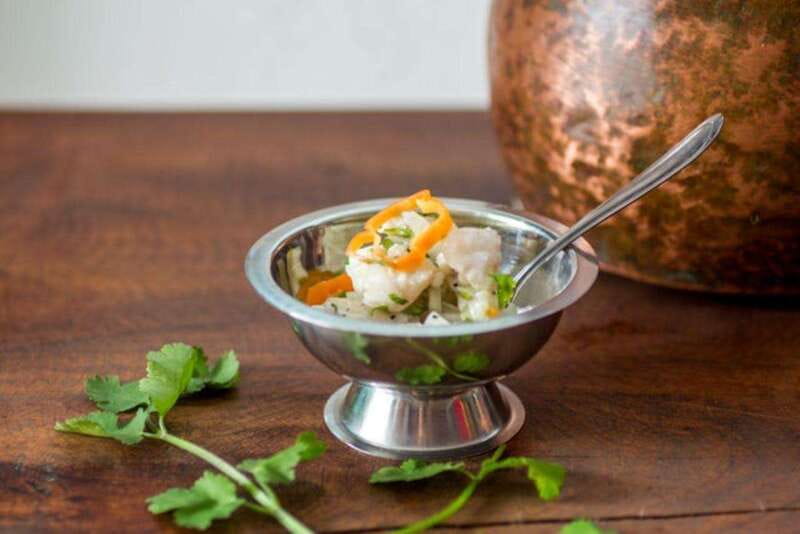
- El Mercado ingredient scouting: talk with vendors and learn what to look for before cooking
- Tools with purpose: you’ll get a 101 on gear like molcajetes, tortilla presses, and the comal
- Real hands-on Mexican cooking: tortillas, sauces, guacamole, and side dishes
- Drinks as part of the class: margaritas and agua frescas like Jamaica and Horchata
- Small group attention: limited to 8 participants, with Spanish and English support
El Mercado Market Walk: The best part starts before the kitchen
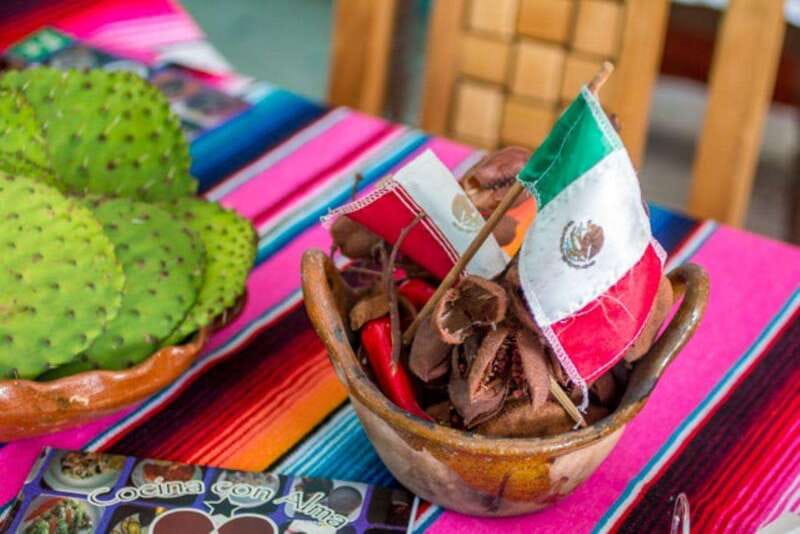
The class kicks off with a visit to El Mercado, a local market where the food story starts at the source. This isn’t a quick photo stop. You’ll interact with vendors, notice ingredient quality, and learn how people actually shop when they want something that tastes right.
What I think makes this market time valuable is the way it teaches your hands and your taste. When you later make a salsa or press tortillas, you’ll remember what you were told to look for: what ripeness feels like, how peppers and tomatoes behave in a sauce, and why certain herbs and citrus get used instead of others. It also helps you understand what can vary by season, since markets change.
There’s also a language bonus. The market setting gives you an easy way to pick up Spanish vocabulary on the spot, especially around produce and common cooking ingredients. If you like wandering, you’ll enjoy the fact that you’re not doing it alone. A live guide keeps you pointed in the right direction and connects what you see to what you’ll cook later.
Practical note: market time means you’ll want comfortable shoes. You’ll likely do more standing and walking than you expect from a “cooking class” label.
You can also read our reviews of more tours and experiences in San Miguel De Cozumel.
Josefina’s Kitchen Setup: Learning the tools that make Mexican food work
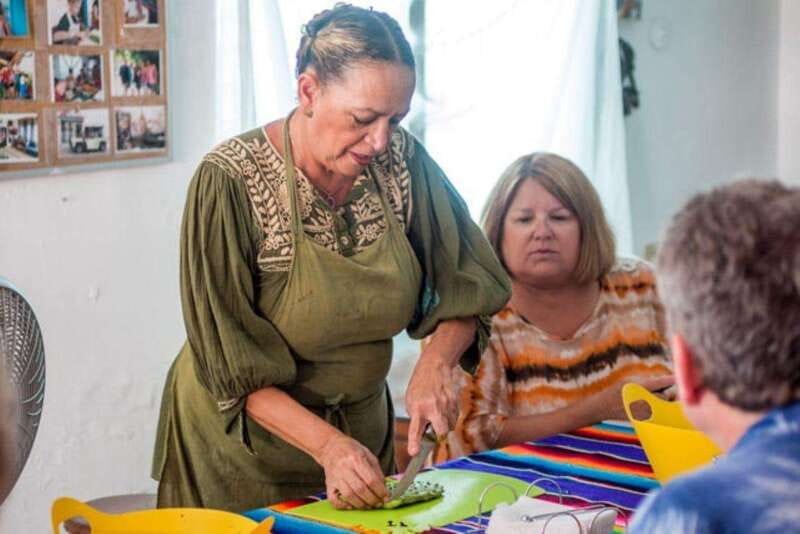
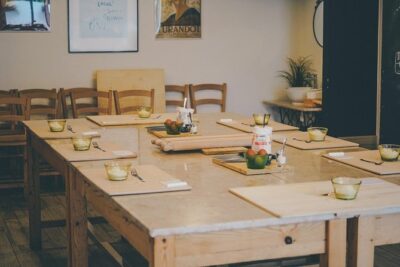
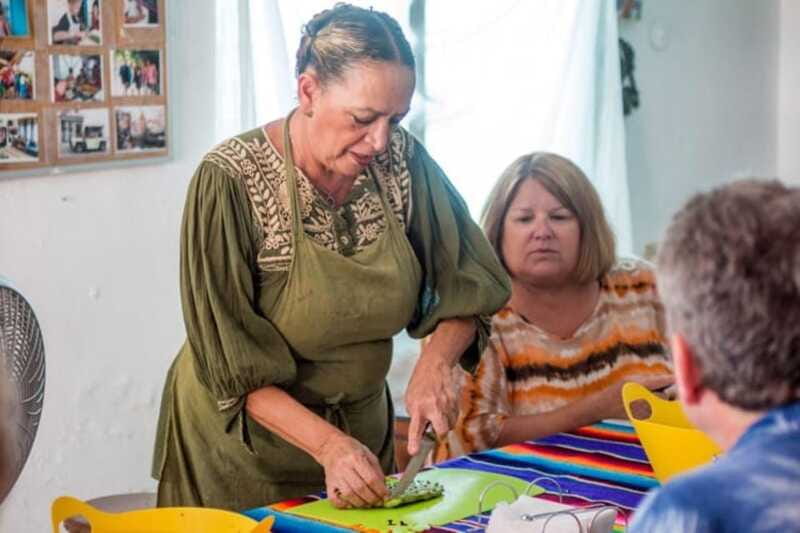
After the market, you head to the kitchen where Josefina’s team teaches you the basics of working like a home cook. You’ll get a 101 on key Mexican cooking tools, and that matters more than it sounds. Tools change how food turns out.
Here are the tools you’ll learn about:
- Molcajete: used for grinding ingredients into pastes and sauces with the right texture
- Lime press: helps you extract juice efficiently for drinks, dressings, and salsas
- Tortilla press: the foundation for consistent tortillas
- Comal: a cooking surface that supports even heating for tortillas and other items
One of the coolest parts is the tortilla lesson. You’ll make handmade tortillas, and the class explains how experienced tortilla makers can pat them thin by hand. Even if you don’t reach that level, you’ll understand the goal: thin, flexible tortillas that cook evenly and taste fresh.
This is where the class becomes more than recipes. You’re learning technique—how texture changes when you grind, how heat affects a tortilla, and how a sauce thickens when you build it with the right mix of ingredients.
Margaritas and agua frescas: Drinks you actually make
Food lessons are better with a drink that has a story. In this class, you’ll learn how to make real margaritas and traditional agua frescas, including flavors like Jamaica and Horchata.
This part works for two reasons:
- It shows you how Mexican drinks balance sweetness, acidity, and aromatics.
- It gives you hands-on experience with ingredients you’ll also use in cooking, like citrus and dried botanicals.
Some classes lean into hibiscus tea flavors (Jamaica) and fruit-based options. One past participant mentioned hibiscus tea plus a guava juice and water drink among what they made. Another mentioned hibiscus tea as part of the drink mix. That suggests the exact menu can shift a bit based on what’s being taught that day, but the core idea stays the same: you’re not just watching drinks being assembled.
If you’re sensitive to alcohol or prefer to keep things light, plan ahead and tell your instructor your preferences. The class is designed to be tailored, and you’ll be able to ask for adjustments.
Cooking hands-on: Tortillas, sauces, guacamole, and more
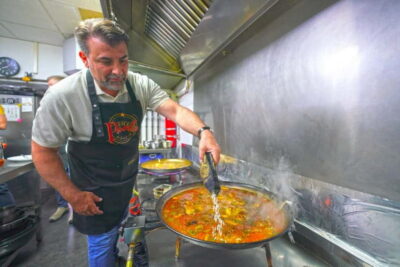
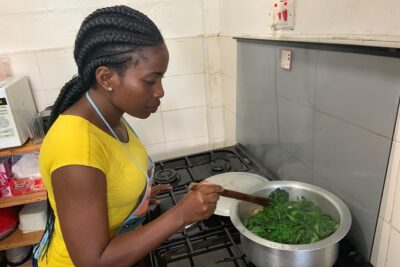
This is the main event, and it’s very interactive. You’ll roll up your sleeves and build a meal from the inside out, starting with core elements like tortillas and then moving into sauces and sides.
Based on what the class covers and what people have made in recent sessions, you can expect items in the style of:
- Handmade tortillas
- Traditional Mexican sauces
- Guacamole
- Side dishes
- Plus additional components that can include things like pico de gallo, roja salsa, black refried beans, and other cooked elements
One guest described a session that included pico de gallo and roja salsa, alongside guacamole and black refried beans. Another mentioned tempora fish and tempora squash as part of what they cooked. Those specific dishes may not appear every time, but they’re a good clue that the class isn’t limited to a single, fixed menu. The goal is to teach methods and flavor building, then apply them to a meal you’ll actually eat.
Why the sauces matter
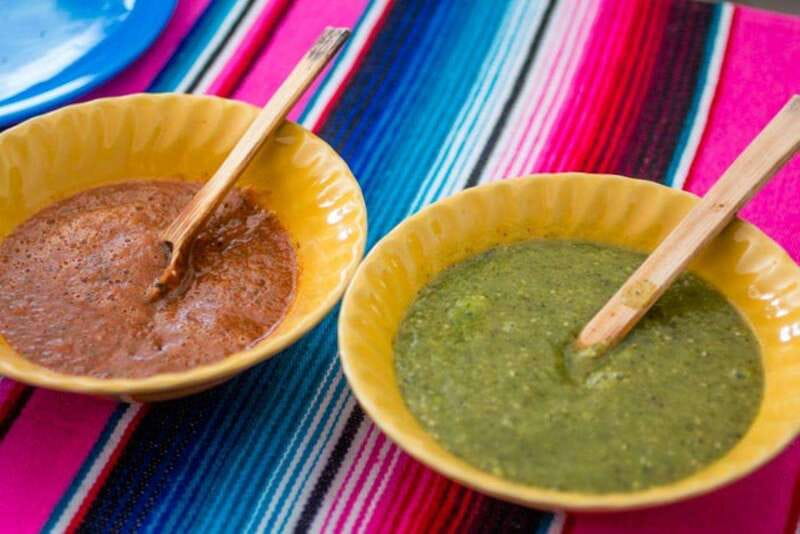
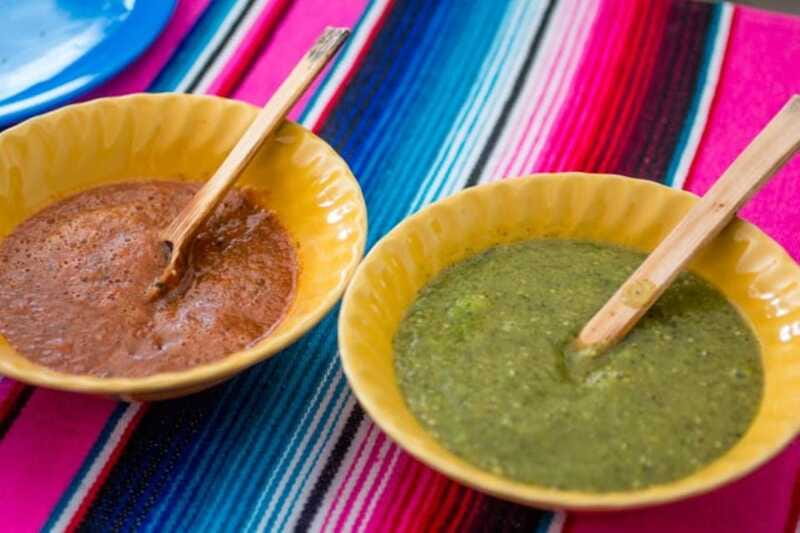
Salsas and sauces are where the class helps you think like a cook. Instead of treating salsa as one thing, you learn it as a system: texture from grinding, brightness from citrus, heat from peppers, and depth from spices and vegetables.
A molcajete session supports that learning, because you can’t fake the feel of grinding. Your sauce changes as you work. And when you’re making tortillas and then eating them with what you built, everything clicks—quickly.
The guacamole lesson
Guacamole is also a practical teacher. It’s forgiving, but it still demands the right balance. You learn how ingredients combine and how seasoning and freshness affect the final taste. It’s the kind of dish that makes you understand why Mexican food often tastes so clean: you’re building flavor, not drowning it.
By the end, you’re set up to feast like you know your way around the pantry.
Personalized to you: Diet, experience, and what to tell them up front
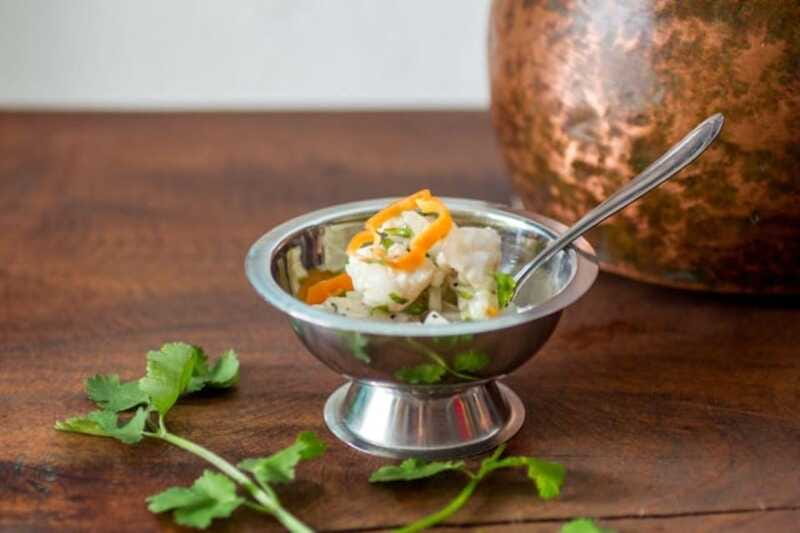
One of the best parts of this class is that it’s tailored to your needs, experience level, and dietary preferences. That means you’re not stuck with a one-size-fits-all lesson.
If you have allergies, you should let the organizers know in advance. The class setup includes room for substitutions when allergies are shared ahead of time.
Even if you don’t have allergies, this personalized approach helps beginners a lot. Tortillas, molcajete sauces, and heat control can be hard if you’re left to guess. In a small group, the guide can correct your grip, timing, and technique.
Past participants also described feeling like they were cooking with someone who could answer questions naturally—someone who gave real instruction rather than a rushed demo.
Small-group flow and timing: What 3 hours feels like
The whole session runs about 3 hours, and the group is limited to 8 participants. That time window is a sweet spot. It’s long enough to shop, learn tools, cook multiple components, and eat, but short enough that the class doesn’t drag.
Here’s the practical flow you’ll notice:
- You start with market shopping and ingredient conversations.
- You then move into the kitchen for tool basics.
- You spend the bulk of the time cooking and building sauces/sides.
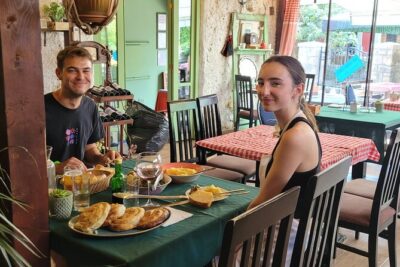
- You finish with a meal based on what you made.
Because the group is small, you’re more likely to stay active. You won’t spend the whole time watching someone else work. It also helps with pacing. If you’re slower with tortillas or need another pass on making salsa, you’ll get it without the pressure of a packed schedule.
Language support is another plus. The guide can work in Spanish and English, so you can follow the lesson comfortably no matter which language you’re more confident with.
Price and value: Is $110 a fair deal?
The price is $110 per person for a 3-hour market-and-cooking experience. On paper, it’s not cheap. In real-world value terms, though, it can make sense if you care about learning technique and eating what you cook.
Here’s why it’s good value compared to simple cooking demos:
- You get a market walk with ingredient interaction, not just a kitchen lesson.
- You learn tools like molcajetes, comal, and presses, which are central to how Mexican cooking works.
- You make multiple items (tortillas, sauces, guacamole, sides) and not just one dish.
- The small group size means more feedback and less sitting.
Also, the class isn’t positioned as a generic recipe workshop. Guides like Josefina’s team focus on how to build flavor and how to choose ingredients. That kind of skill sticks with you long after you’ve finished eating.
If you’re the type who likes to bring home cooking confidence, not just photos, this class is worth a close look.
Who this Cozumel class is best for
This experience fits best if you want food that feels local and hands-on.
It’s a strong match for:
- Couples or friends who enjoy cooking and want a shared activity
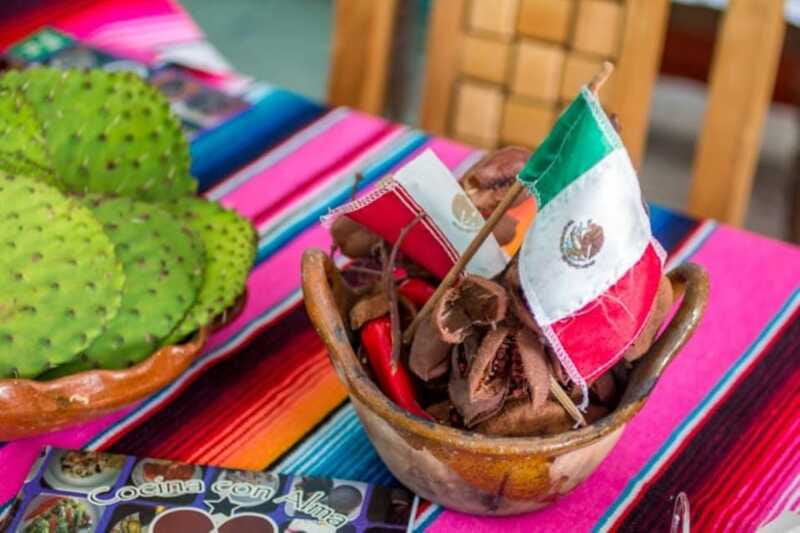
- People who love markets and like learning what ingredients should look and taste like
- Visitors who want more than a beach-and-bites day
- Anyone who wants a small-group experience with real interaction
You’ll especially appreciate it if you like structure. The class takes you from market shopping to cooking tools to finished dishes. That path makes it easier to remember what to do when you’re cooking back home.
One more detail worth noting: a past participant described Jeronimo, Josefina’s son, meeting them at the local market and tailoring the lesson based on what main course they wanted to make. That’s a sign the teaching style is flexible and personal, not rigid.
Should you book Cozumel Cooking Class with Josefina?
If you want to learn Mexican cooking the practical way—ingredients first, technique second, and food you actually eat—this is a great pick.
Book it if:
- You’ll enjoy a hands-on class and want to make tortillas and sauces
- You like the idea of learning tools like molcajetes and the comal
- You want a small group and guided help in Spanish or English
- You’re open to a menu that can include options like guacamole, salsas, beans, and seasonal cooked items
Skip it or reconsider if:
- You don’t want to manage your own transportation to the meeting point
- You’re expecting a quick tasting tour only, because this is built around cooking and interaction
- You’re very short on time in Cozumel, since 3 hours plus getting there adds up
If that sounds like your kind of day, you’ll likely leave with both a full stomach and a few repeatable skills you can use long after the cruise dust settles.
FAQ
Where does the cooking class take place?
It’s in Quintana Roo, Mexico, in Cozumel, with the experience starting at a local market called El Mercado.
How long is the cooking class?
The class lasts 3 hours.
How much does it cost?
The price is $110 per person.
Is transportation included?
No. Transportation to the meeting point is not included.
What’s included in the experience?
You get a tour of the market (El Mercado) and the cooking class.
How big is the group?
The group is small, limited to 8 participants.
What languages are offered?
The live guide provides Spanish and English.
Can the class accommodate allergies or dietary preferences?
Yes. The class is tailored to dietary preferences, and if you have allergies you should let them know in advance so substitutions can be made.
What foods or dishes will I learn to make?
You’ll make traditional Mexican dishes and sauces, including handmade tortillas and guacamole. The class also teaches margaritas and traditional agua frescas such as Jamaica and Horchata.
What happens if I need to cancel?
You can cancel up to 24 hours in advance for a full refund.