REVIEW · ROPPONGI
3-Hour Shared Halal-Friendly Japanese Cooking Class in Tokyo
Book on Viator →Operated by Yalla Tabakh Tokyo · Bookable on Viator
Tokyo smells like soy sauce and curiosity. This 3.5-hour, shared cooking class in Minato City is built for you to learn authentic Japanese dishes in a fully halal-friendly setting, either with a home cook (classic menu) or an experienced chef (premium omakase).
I really like two things right away. First, the vibe: the hosts and teachers come across as kind and thoughtful, not stiff or rushed. Second, the end result: the food quality gets praised hard, and the menu you cook is the kind of real local-style lineup you can’t always find in tourist demos.
One thing to consider: the instruction is in English, with an Arabic translator available if you need it (you should contact ahead). Also, if you hate food stains, you may want to bring your own apron since rentals can cost extra.
In This Review
- Key things to know before you book
- Halal-friendly Japanese cooking in a real Tokyo kitchen
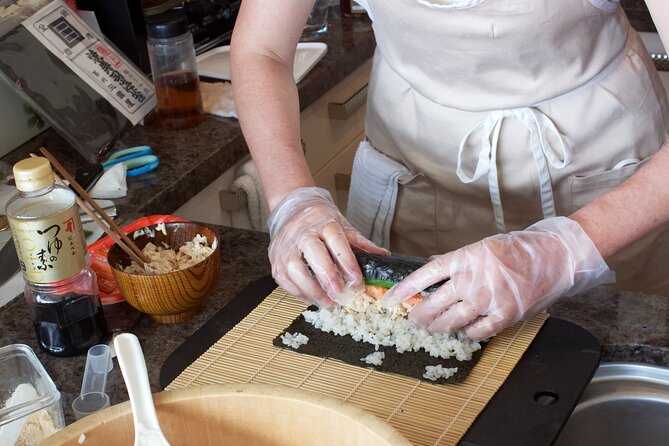
- Classic menu: sushi, Japanese pizza, and wagyu—home-cook comfort
- Premium omakase: chef-led techniques and multiple courses
- What the 3.5 hours feel like: pacing, hands-on work, and lunch
- Location in Minato City: next to transit and easier than it sounds
- Food value at $85: what you’re really paying for
- Instruction support: English teaching, Arabic translator, and WiFi
- Small group means you get real attention
- Who this class suits best (and who should skip it)
- Reviews that point to the biggest wins
- Should you book this halal-friendly Japanese cooking class?
- FAQ
- What dishes are included in the classic class?
- What’s included in the premium class?
- Is lunch included?
- What languages are the classes taught in?
- Where is the class located, and how do I get there?
- How many people are in the class?
- What’s the cancellation policy?
Key things to know before you book
- Fully halal-friendly Japanese cooking with halal-focused class standards
- Classic vs Premium: home-cook menu (sushi, Japanese pizza, wagyu) or chef-led omakase
- Small shared group (max 10) for a more personal kitchen feel
- Lunch + all ingredients included, so you’re not paying extra once you arrive
- Arabic translator + WiFi available, while the class runs in English
- Minato City location near public transit, and it ends back where you start
Halal-friendly Japanese cooking in a real Tokyo kitchen
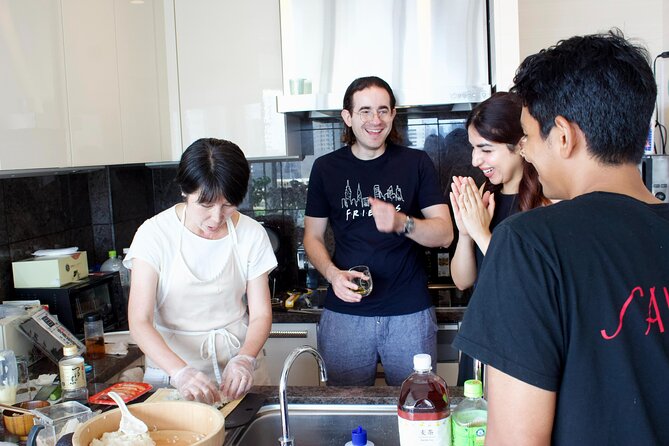
This class is for people who want Japanese food that feels normal to Japan—not just a quick show-and-taste. The big headline here is that it’s fully halal authentic Japanese cooking, so you can focus on technique, flavors, and the fun of hands-on cooking without doing mental math about what’s in the dish.
The second thing you’ll feel immediately is the “small kitchen” atmosphere. It’s a shared experience, capped at 10 travelers, and it’s taught by home cooks for the classic option or experienced chefs for premium. That matters because you get more time with the person explaining what you’re doing, not just watching from the corner.
You’ll start at Minato City at 11:30 am, and the whole session runs about 3 hours 30 minutes. The class is built to include lunch, and everything is handled in one smooth block: show up, cook, eat, and head back to the meeting point. That makes it easy to plug into a Tokyo day without turning your schedule into origami.
You can also read our reviews of more tours and experiences in Roppongi.
Classic menu: sushi, Japanese pizza, and wagyu—home-cook comfort
The classic course is the “cozy, authentic” route. It’s led by an experienced home cook, and your menu includes sushi, Japanese pizza, and wagyu steak. Even if you’ve eaten Japanese food before, there’s a different feeling to cooking it yourself—especially when you’re learning the logic behind flavor balance and portioning.
Here’s how that classic lineup tends to pay off for you:
- Sushi gives you a hands-on lesson in structure. Even without getting overly technical, you’ll learn how the components come together and why small adjustments matter.
- Japanese pizza (not the same as a Western-style slice) is a great “watch and do” dish. It’s usually where people realize cooking is about textures and timing, not just recipes.
- Wagyu steak becomes the satisfying finishing note. It’s the kind of dish that makes lunch feel like a proper meal, not a snack.
A key value point: the menu is “real and recognizable.” You’re not stuck with mystery items you’d never order. You get dishes that you can later recreate at home—or at least understand enough to order confidently when you travel again.
Premium omakase: chef-led techniques and multiple courses
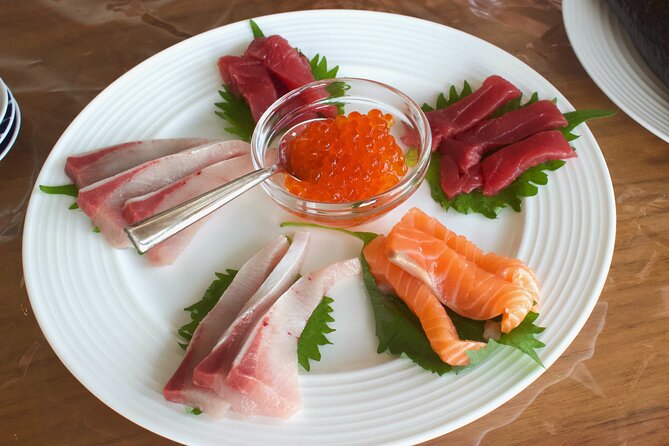
If you want the more high-end experience, the premium class shifts to an experienced chef and an omakase format. Omakase means you’re in a multi-course flow where items may be seasonal or tied to specialized technique—so it’s not just the same dishes you’d see on a regular menu.
Think of premium as this: you’re not only learning “how to cook,” you’re also learning why certain choices work. When a chef is guiding you, the focus often moves from simple steps to decisions—timing, seasoning balance, and how a sequence of dishes builds a meal arc.
One important practical note: the exact course count and any special seasonal items aren’t listed in the info you provided. So if you’re booking premium expecting a specific lineup, you should treat omakase as flexible by design and plan for variety.
What the 3.5 hours feel like: pacing, hands-on work, and lunch
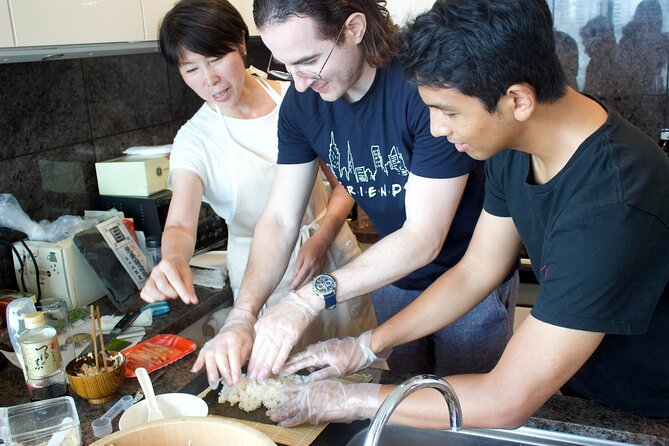
This is a shared class, so the pace is structured. You’ll likely spend the bulk of the time working at stations rather than just sitting through explanations. The best cooking classes balance three things: clear instruction, enough room to work, and a kitchen rhythm where people aren’t waiting forever.
In your case, there’s also the halal-friendly setup. That usually affects how ingredients are presented and how the class talks about what goes into each dish. In other words, you should expect the class to be organized so you feel comfortable that the food standards match your needs—without turning it into a lecture.
Lunch is included, and that’s a huge piece of the value. You’re not paying $85 just to get a couple of bites and photos. You’re paying for a meal that’s built from what you cooked, using the ingredients supplied.
Also, the class ends back at the meeting point. That matters in a city like Tokyo where you can easily waste time hopping across neighborhoods. Here, the experience is designed to be self-contained.
Location in Minato City: next to transit and easier than it sounds
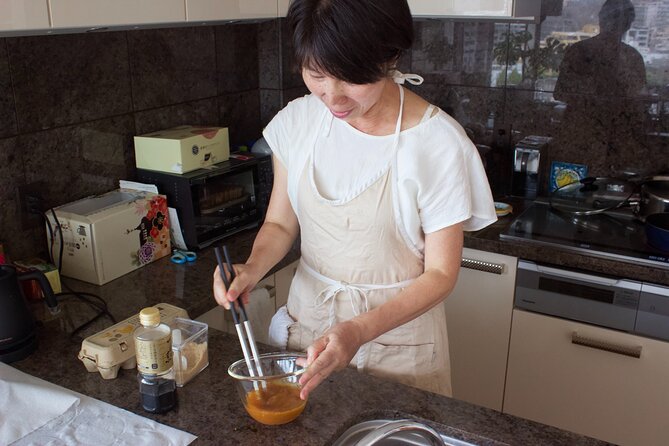
Meeting in Minato City is a good move if you’re moving around Tokyo that day. Minato is central enough that getting there doesn’t feel like a full-day expedition, and the info says the meeting point is near public transportation.
From the reviews, one detail really stands out: people liked the location being well positioned and close to the station. That’s a small thing until you’re running late in Japan. A class like this rewards arriving calm and on time, because you’ll want to jump into the cooking flow right away.
You’ll also have a clear start time—11:30 am—so you can build your day around it. If you’re the type who likes to stroll afterward, you’ll have your hunger handled. If you like a pre-plan, you’ll have a solid anchor point without guessing where to go for lunch.
Food value at $85: what you’re really paying for
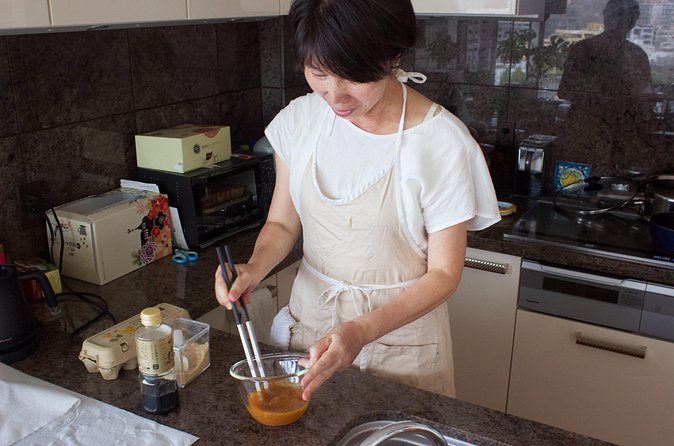
Let’s talk money honestly. At $85 per person, you’re getting:
- a shared cooking experience (up to 10 people)
- a full session around 3 hours 30 minutes
- lunch included
- all ingredients included
That’s a pretty practical value setup. In Tokyo, cooking classes can jump in price fast, especially when they’re taught in small groups and include a meal. Here, you’re paying for the kitchen time and the outcome: a sit-down lunch built from dishes tied to the lesson.
What makes the price feel more reasonable is the structure: you’re not just paying for instruction. You’re paying for ingredients, a controlled environment, and the chance to learn classic Japanese dishes in a way that fits halal standards.
If you’re comparing classic vs premium, premium omakase is usually where costs rise—because a chef-led, multi-course experience takes more staffing and planning. But you’ll still be paying for the overall experience, not just a list of dishes.
Instruction support: English teaching, Arabic translator, and WiFi
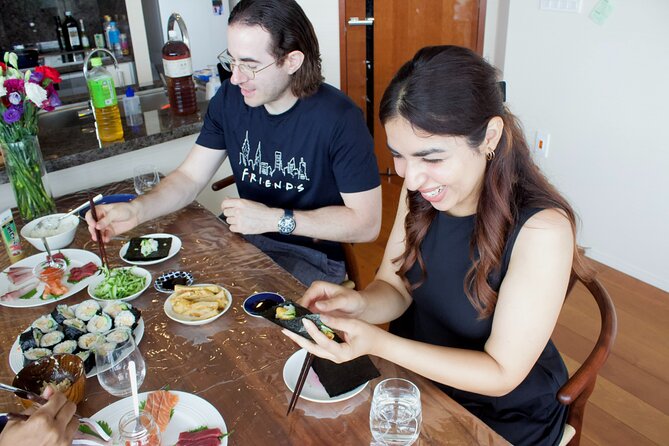
The class is provided in English. If you need an Arabic translator, it’s available, but you should contact ahead so you don’t arrive and find out it’s not arranged for your session.
This kind of language support can be the difference between enjoying the food and actually understanding what you’re doing. Even basic cooking lessons have lots of small cues—texture, timing, and what to look for visually—so translation helps.
You’ll also have WiFi, which is handy if you want to reference a dish plan, look up technique terms, or just keep your day moving smoothly.
And one more practical comfort item: since it’s cooking, messy clothes are basically part of the deal. If you don’t want stains, bring your own apron. The option to rent exists, but it can cost extra.
Small group means you get real attention
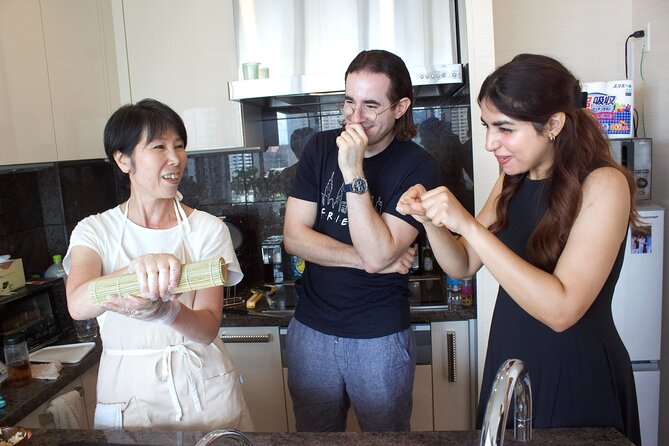
A class capped at 10 travelers sounds like a small number because it is. In a group that size, you’re more likely to:
- get corrected before you develop a bad habit
- ask a quick question mid-process
- notice what the instructor is doing, not just what they’re saying
That aligns with what people praised. The feedback highlights kind, thoughtful hosting and informative instruction. One review specifically mentions a friendly environment and a teacher who’s good at explaining. Another mentions a lovely house and a great location by the station.
Also, the “home cook” side of classic can feel more welcoming than a formal cooking school. If you like a lived-in atmosphere, you’ll probably enjoy the setting.
Who this class suits best (and who should skip it)
This is a great fit if you:
- want halal-friendly Japanese cooking without compromise
- like hands-on learning more than tasting-only experiences
- prefer small groups over big bus-style workshops
- want lunch handled for you and built from what you cook
It may not be ideal if you:
- need instruction in a language other than English and haven’t arranged the Arabic translator ahead of time
- hate any chance of getting kitchen mess on your clothing (bringing an apron is smart here)
- want a lot of sightseeing. This is about cooking and eating, not a full Tokyo tour.
Reviews that point to the biggest wins
From the reviews, the most repeated wins are consistent:
- Kind, thoughtful hosts who make the process feel easy
- Outstanding food quality—not just edible, but something people feel good about
- A friendly environment that helps you relax and enjoy the learning
- A convenient location close to the station
- A cozy, pleasant setting, including mention of a lovely house
One reviewer, Angelica, highlighted the host’s kindness and the outstanding food quality, then directly linked it to enriching the trip. That’s a good summary of what this experience is for: you leave with skills, meal memories, and a sense that you ate something real—not just performed for.
Should you book this halal-friendly Japanese cooking class?
Yes—if your goal is authentic Japanese food learning in a small group, with halal standards handled for you. The biggest reason to book is that you’re getting a full cooking + lunch experience with all ingredients included, and you can choose classic (home cook dishes like sushi, Japanese pizza, and wagyu) or premium (chef-led omakase).
Book classic if you want a cozy, straightforward menu you’ll recognize and can later re-imagine at home. Book premium if you care more about chef-led techniques and a multi-course omakase-style experience.
One last tip: bring an apron (or be ready to rent). Also, if you need Arabic translation, contact ahead. Do those two things, and you’ll spend less time fussing—and more time enjoying the meal you helped make.
FAQ
What dishes are included in the classic class?
The classic menu includes sushi, Japanese pizza, and wagyu steak.
What’s included in the premium class?
The premium class offers omakase, provided by an experienced chef. It includes multiple courses and may include seasonal items or specialized techniques.
Is lunch included?
Yes. Lunch is included, and all ingredients are included as well.
What languages are the classes taught in?
All classes are provided in English. An Arabic translator is available if you need one—contact is required to arrange it.
Where is the class located, and how do I get there?
The class starts in Minato City, Tokyo, and the meeting point is near public transportation.
How many people are in the class?
This activity has a maximum of 10 travelers.
What’s the cancellation policy?
Free cancellation is available up to 24 hours in advance for a full refund. If you cancel less than 24 hours before the start time, you won’t receive a refund.