REVIEW · PADUA
Vegetarian Cooking Class from Veneto Region by a local
Book on Viator →Operated by eatwith · Bookable on Viator
Italian lessons with flour on your hands.
This vegetarian cooking class in Padua is run by Catia, a warm local who connects her love of animals, nature, and regional food in a way that feels personal. I like that you learn by doing, not watching from the sidelines, and I love that the meal is built around real Veneto favorites like cicchetti, handmade pasta, and tiramisu.
One smart heads-up: it’s a full 4-hour working session, so comfy shoes help.
In This Review
- Key things to know before you go
- Catia’s Vegetarian Kitchen in Padua: A real-home welcome
- The 11:00 a.m. flow: cicchetti, fresh pasta, and what you’ll make
- Starter: Venetian cicchetti
- Main course: handmade ravioli and bigoli (plus pasta you may also shape)
- Dessert: tiramisù from scratch
- Pasta techniques you can take home (not just eat on the day)
- Tiramisù and the small details that make it work
- Lunch at an outdoor table: what the meal feels like
- Why vegetarian here still tastes like Veneto
- Price and logistics: does $129.77 feel fair?
- Who should book this class
- Should you book Catia’s Vegetarian Cooking Class?
- FAQ
- What time does the class start?
- How long is the cooking class?
- Where is the meeting point in Padua?
- Is the class offered in English?
- How big is the group?
- Do I need to tell the host about food restrictions?
- Is there a refund if I cancel?
Key things to know before you go
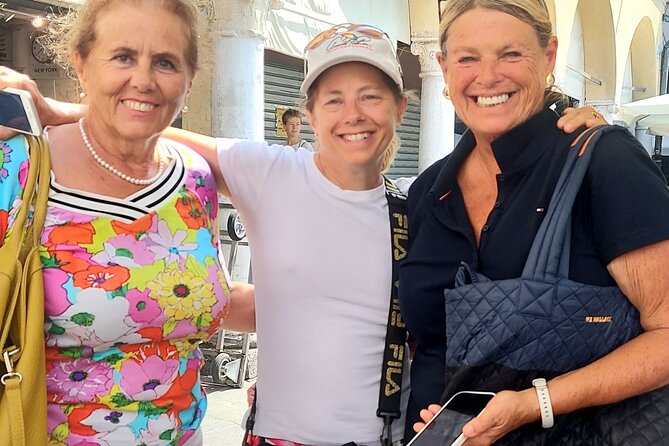
- Catia’s home, not a studio: you cook in a real Italian setting and eat where you work.
- Hands-on pasta skills: you’ll make fresh pasta from scratch, using traditional tools and techniques.
- Garden-forward ingredients: many vegetables come from Catia’s garden, so flavors taste extra fresh.
- Veneto vegetarian classics: cicchetti (Venetian-style bites), bigoli/ravioli, and tiramisù anchor the menu.
- Small group: maximum 6 people means you get time and attention while you cook.
Catia’s Vegetarian Kitchen in Padua: A real-home welcome
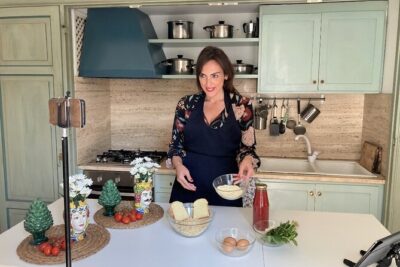
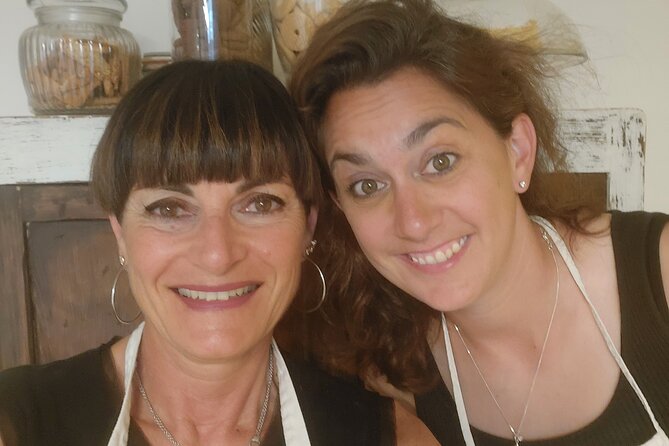
If you want Italy the way people actually live it, this is the format. You’re not herded through a commercial kitchen. You show up at Catia’s home base in Padua (Padova), then settle into a relaxed rhythm that’s part cooking class, part friendly meal with someone who really cares.
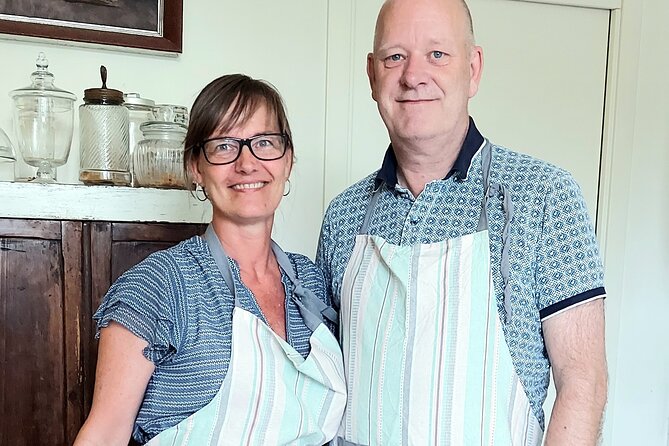
Catia brings more than recipes. She’s the kind of host who talks about food as culture, not just steps in a process. In her case, you get that Veneto point of view—how pasta fits local life, why certain shapes and sauces matter, and how vegetables can be the star instead of the side note. She also has a creative streak beyond cooking (painting and singing are part of her life), so the whole session has that expressive, human feel.
And yes, the vibe is intimate. With a maximum of 6 people, you’re not competing for space over a cutting board. You can ask questions while your hands are still busy, which is when learning actually sticks.
You can also read our reviews of more tours and experiences in Padua.
The 11:00 a.m. flow: cicchetti, fresh pasta, and what you’ll make
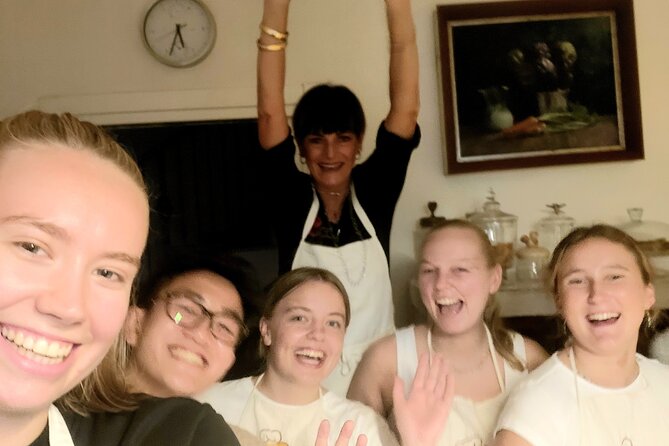
This class runs about 4 hours, starting at 11:00 am, and it’s built like a real meal with stages. The menu is vegetarian, but it doesn’t feel like a compromise. It’s structured around classic Veneto flavors—especially the idea that small bites and simple ingredients can be deeply satisfying.
Starter: Venetian cicchetti
You’ll start with Venetian cicchetti, the snack-style dishes people associate with Veneto’s food culture. Think of it as warm-up plus technique. You learn how toppings and flavors are balanced in bite-size form, which helps later when you build flavors into sauces and pasta fillings.
It’s also a good pacing choice. By the time you move into pasta, you’re ready to focus.
Main course: handmade ravioli and bigoli (plus pasta you may also shape)
The core pasta menu centers on handmade ravioli and Venetian bigoli. Bigoli is a standout Veneto shape, often associated with simple but flavorful sauces. Ravioli gives you the filling-and-sealing practice that makes homemade pasta feel doable at home.
One review mentioned tortellini as part of what they learned, which suggests there may be variation depending on the class flow and what Catia decides makes sense that day. Either way, you’re working with fresh dough and learning the real technique behind shaping and cooking.
Dessert: tiramisù from scratch
Dessert is tiramisu, made from scratch. This matters because tiramisù is one of those dishes where store-bought shortcuts can flatten the experience. Making it in a class setting also gives you the chance to understand timing—when to assemble, how to balance softness, and how to avoid turning it into a soggy mess.
If you love learning by doing, this part is where your confidence jumps.
Pasta techniques you can take home (not just eat on the day)
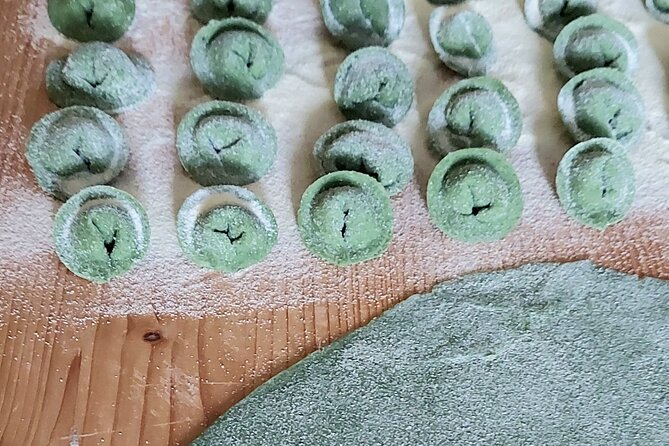
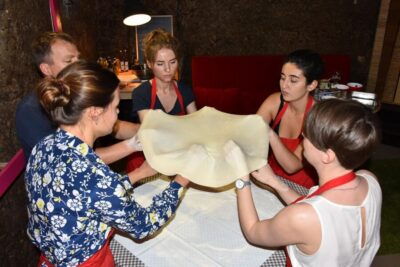
What makes this class genuinely useful is the way pasta is taught: you’re not just assembling ingredients. You’re practicing the techniques that normally take time to develop—especially if you’ve only ever used boxed pasta or a pasta maker for one basic shape.
In a home setting, you tend to get better coaching because you’re visible. Catia can correct your hand position, show the proper use of traditional tools, and keep you from skipping critical steps. That hands-on instruction is what turns the day into something you can repeat later.
Here’s what you’re likely to walk away knowing:
- how to handle fresh pasta dough so it’s workable and doesn’t fight you
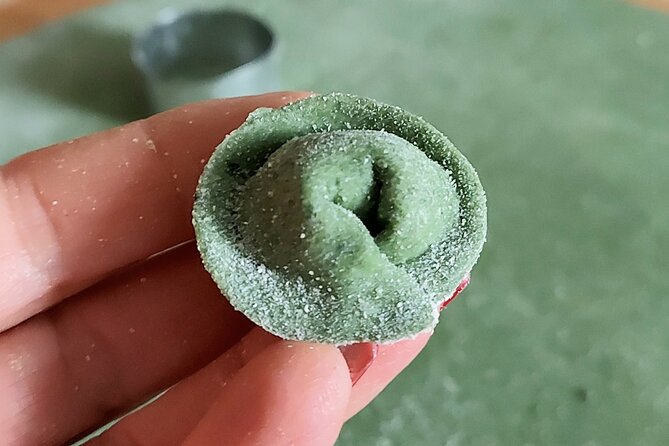
- how to form ravioli (and if your class includes it, other filled shapes)
- how to work with a Veneto-focused pasta like bigoli
- how to build a sauce that doesn’t overpower the pasta
And there’s another practical win: multiple reviews mention you can take the recipes. That’s the difference between a fun afternoon and a skill you can actually use back home.
Tiramisù and the small details that make it work
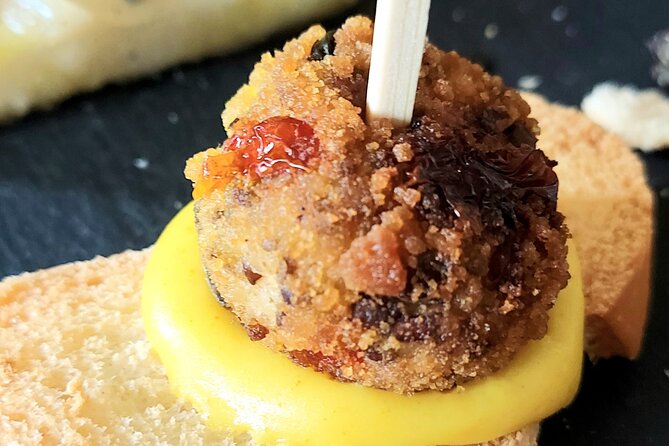
Tiramisu looks easy until you make it and realize the dessert is basically controlled texture. The coffee, cream, and assembly steps all have to land in the right moment.
In this class, you learn it as a process, not an afterthought. Catia’s teaching style seems to connect the dots between ingredients and outcome—why certain steps matter, and how to keep the dessert tasting like tiramisù and not like a layered bowl of whatever happened.
A good sign here: people mention making tiramisù as a highlight. That usually means it’s not thrown together at the end while everyone’s hungry. It’s treated as part of the craft of the menu.
Lunch at an outdoor table: what the meal feels like
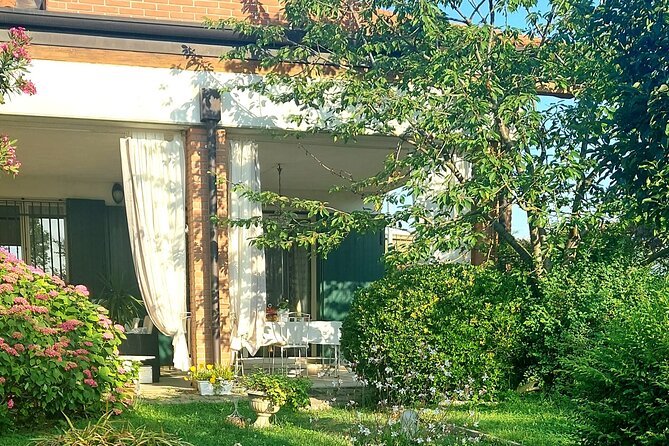
Once you cook, you eat what you made. That’s the whole point, and it’s why a class like this beats a ticketed show-and-snack.
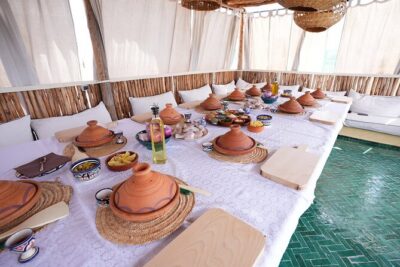
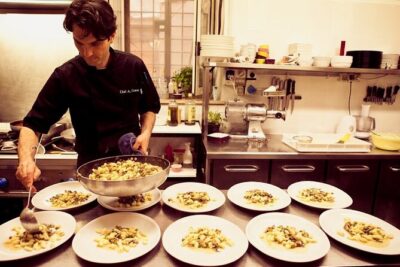
Catia sets up a dining moment that feels very Italian. Reviews specifically mention an outdoor dining area, so if weather lines up, you’re likely enjoying your lunch in a more open-air setting rather than sitting under harsh indoor lighting. Either way, the meal is part of the teaching: you’ll see how the flavors come together right when they’re fresh.
One review also mentions enjoying local wine with the meal. The exact details aren’t spelled out in the basic info you’re given, so treat wine as a possible extra rather than a guaranteed item. Still, the fact that wine shows up in at least some classes fits the Veneto food-and-hospitality vibe.
And since the group is small, the table conversation probably won’t feel stiff. People mention chatting with Catia about history and culture while you eat, which is where the class becomes more than just food.
Why vegetarian here still tastes like Veneto
Vegetarian cooking can sometimes feel generic: salads, pasta with red sauce, and a shrug. This class avoids that by focusing on regional identity and technique.
Veneto cooking isn’t only meat-forward. You can build depth through:
- fresh vegetables (and in at least one review, veggies from Catia’s garden)
- dough skills that give pasta structure and richness
- traditional shapes like bigoli that hold sauce in a specific way
- classic sweets like tiramisù that depend on method, not ingredients gimmicks
So you get a lesson in how to make vegetarian food feel like part of the local cuisine, not a separate diet category.
Also, Catia’s personal motivation matters. Her vegetarian choice is tied to her love of animals and environmental care, so you get a more thoughtful framing. It’s not preachy; it’s simply why she cooks this way, and why she’s so eager to share it.
Price and logistics: does $129.77 feel fair?
At $129.77 per person for roughly 4 hours of hands-on cooking plus lunch, the value depends on what you want from the day.
This price starts to look fair when you consider:
- you’re cooking multiple components (cicchetti, fresh pasta, dessert)
- you’re learning technique with a small group (max 6)
- you eat what you make, at the end of the process
- you may receive recipes to take home
- it’s hosted in a home setting, which usually means a more personal teaching style than a public class
Where it might not feel worth it is if you mainly want a quick tasting experience or you hate spending hours standing and working with your hands. This isn’t a two-hour sampling session. It’s a proper cooking block.
Logistics are straightforward: the start is 11:00 am, you meet at Via Tre Ponti, 35136 Padova PD, Italy, and it’s described as near public transportation. You also get a mobile ticket, which is handy if you’re bouncing between sights.
Who should book this class
I’d point this class at you if:
- you want a hands-on cooking experience, not just eating
- you’re interested in Veneto food culture through technique and stories
- you like vegetarian cooking that still feels authentically Italian
- you enjoy small-group settings where you can ask questions mid-process
It may be less ideal if:
- you have very limited standing tolerance (the session is described as being on your feet for about four hours)
- you need highly specific dietary accommodations and haven’t decided how to communicate them clearly in advance
Should you book Catia’s Vegetarian Cooking Class?
Yes—if your idea of a great Italy day includes learning real skills, cooking with guidance, and then eating a lunch you helped create.
This experience earns its high marks because it’s personal (Catia’s home), practical (you make pasta and dessert), and flavor-focused (Veneto classics done vegetarian). The biggest thing to know is the time on your feet. If you’re good with that, you’ll leave with both meal memories and cooking know-how.
If you can communicate food needs clearly ahead of time, this is also a strong choice. A vegetarian class is most successful when the host has the info they need to keep everyone safe and comfortable.
FAQ
What time does the class start?
The class starts at 11:00 am.
How long is the cooking class?
It runs for about 4 hours.
Where is the meeting point in Padua?
The meeting point is at Via Tre Ponti, 35136 Padova PD, Italy.
Is the class offered in English?
Yes, it is offered in English.
How big is the group?
The group size is limited to a maximum of 6 travelers.
Do I need to tell the host about food restrictions?
Yes. You should communicate any food restrictions, including allergies or special diets, at booking.
Is there a refund if I cancel?
Yes. Cancellation is free up to 24 hours in advance for a full refund. If there’s a minimum traveler requirement and it’s not met, you may be offered another date/experience or a full refund.