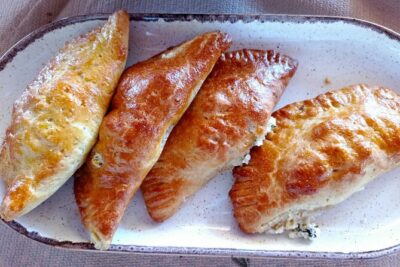
REVIEW · SARONIC GULF ISLANDS
Traditional Greek Cooking Class and Organic Lunch on Poros
Book on Viator →Operated by Odyssey Activities · Bookable on Viator
Greek food tastes better when you make it. This traditional Poros cooking class is a hands-on, small-group meal in a family-style bistro, with garden-to-table organic ingredients and a recipe story that ties back to ancient Greece. I like that the session caps at 10 guests, so you actually get time with the chef. I also love the range of classics you’ll learn, including tzatziki and bougatsa.
One possible drawback: if you’re expecting to cook nonstop for the full 2.5 hours, the class can feel a bit more like learning and assembling than working at a roaring, constant-stove pace—still fun, but not a full-on kitchen workout.
In This Review
- Key highlights at a glance
- Poros at Odyssey Bistro: why this class feels like a real souvenir
- Where the ingredients come from matters (and you’ll taste it)
- Your 3-course learning plan: tzatziki, pie, plaki, bougatsa
- Tzatziki: the sauce that teaches you Greek flavor logic
- Spanakopita-style pie: how the greens and pastry work together
- Fish plaki (or a non-fish option): tomatoes do the heavy lifting
- Bougatsa: the dessert that turns cooking class into a full meal
- The food story goes beyond recipes
- Drinks: Poros lemonade and a Greek-gods wine-inspired pour
- Lunch is not an afterthought—it’s the proof
- Small-group pace: how 10 people changes the whole lesson
- Practical tips that save you time (and a bit of stress)
- Arrive with a little buffer
- Know your meeting point and what to look for
- Dietary needs: ask and confirm early
- Transportation is workable
- Value check: $77.95 for a 3-course meal plus cooking instruction
- Who this cooking class suits best
- Should you book this Poros Greek cooking class?
- FAQ
- How long is the traditional Greek cooking class on Poros?
- What’s included in the lunch?
- How many people are in the group?
- What dishes will I learn to make?
- Is a local English-speaking guide/cook provided?
- Can the menu be adjusted for allergies?
Key highlights at a glance
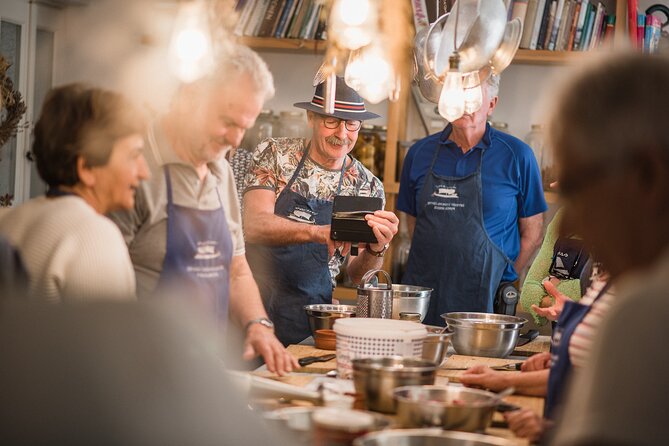
- Max 10 travelers means more hands-on guidance and less waiting around
- Organic, garden-to-table focus keeps the meal tasting fresh and ingredient-forward
- Three-course learning covers tzatziki, spanakopita-style pie, plaki, and bougatsa dessert
- Wine-inspired drink plus Poros lemonade gives you a real taste of local flavors
- Family-owned Odyssey Bistro setting feels personal, not like a factory class
- Allergy-friendly adjustments are possible if you ask in advance
Poros at Odyssey Bistro: why this class feels like a real souvenir
On Poros, it’s easy to stack up beach time and restaurant meals. This is different. Instead of just eating Greek food, you learn how the flavors come together—then you sit down and enjoy what you made. The setting helps: Odyssey Bistro runs this as a family-owned experience, with a small, traditional island hotel vibe and a kitchen that feels cared for, not chaotic.
You’re paying for more than lunch. Yes, you get a full organic meal. But the real value is the chef-to-you instruction style: the pace is friendly, the kitchen stays clean, and you’re not just watching someone else cook. Even with a short total duration of about 2 hours 30 minutes, the class is built around a clear outcome—one cohesive 3-course meal that you understand.
Where the ingredients come from matters (and you’ll taste it)
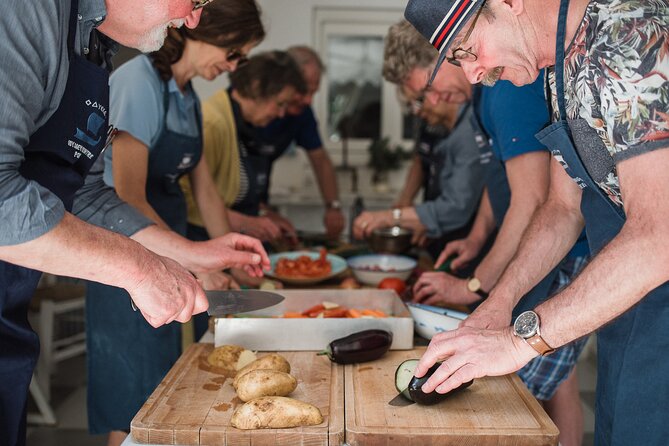
This cooking class leans hard into organic and garden-to-table ingredients. You’re not just following steps with generic supermarket items. The menu is designed around the kind of produce Greeks cook with at home: fresh herbs for sauces, vegetables that hold their flavor, and components that don’t need heavy hiding.
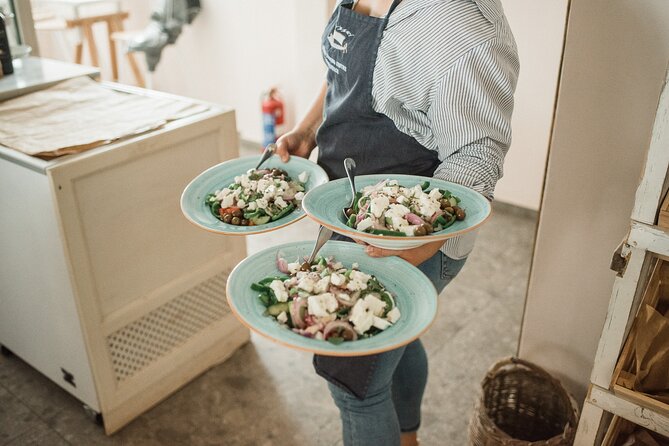
That ingredient approach shows up in the lunch you’ll eat too. In the included meal, you’ll have tzatziki and Greek salad, plus a beetroot salad and seasonal grilled vegetables. Then comes plaki—served as fish, vegetarian, or meat—and finally bougatsa, a custard-style Greek pastry. When you build a meal like that from scratch, you start to understand why Greek cooking tastes lighter and more direct than a lot of tourist versions.
Your 3-course learning plan: tzatziki, pie, plaki, bougatsa
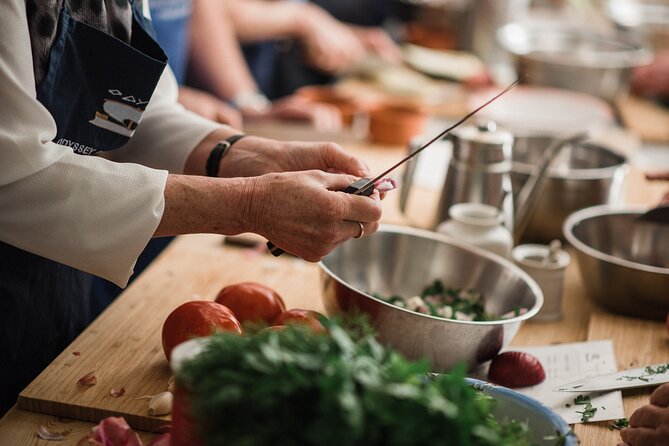
The class is structured around classic Greek dishes that people actually crave. You’ll learn a full spread, not just one appetizer.
Tzatziki: the sauce that teaches you Greek flavor logic
Tzatziki is a great first lesson because it’s simple but picky. You’ll work through the basic idea—cool, creamy, garlicky, and bright. The goal is balance: yogurt texture, cucumber character, and the herbs/seasoning that make it taste like a real table sauce, not a dip that’s missing something. Once you make it yourself, you’ll know what to look for when you’re ordering back home.
Spanakopita-style pie: how the greens and pastry work together
The menu highlights spanakopita pie. Expect to learn the hands-on technique behind making a traditional spinach-based pastry. Even if you don’t walk away memorizing every pastry move, you’ll come away with practical sense: how cooked greens behave, how pastry layers hold structure, and how seasoning matters in the filling. It’s one of those dishes where one small choice changes the whole bite.
Fish plaki (or a non-fish option): tomatoes do the heavy lifting
Plaki is next, and the class offers flexibility—fish plaki, vegetarian plaki, or meat-based plaki. The common thread is the tomato-forward flavor. You’ll learn how the baked-style approach builds depth without turning it into a heavy sauce bath. If you’re a Mediterranean food fan, this is the part that really clicks, because tomatoes here aren’t just background—they’re the engine.
Bougatsa: the dessert that turns cooking class into a full meal
Bougatsa is the grand finale. It’s a custard-style Greek pastry dessert, and it’s included as part of your lunch. The learning value is big even if you’re not a confident pastry maker: you’ll see how the filling sets and how the pastry supports it. It’s also a smart closer. You finish with something sweet that feels genuinely Greek, not generic bakery dessert.
The food story goes beyond recipes
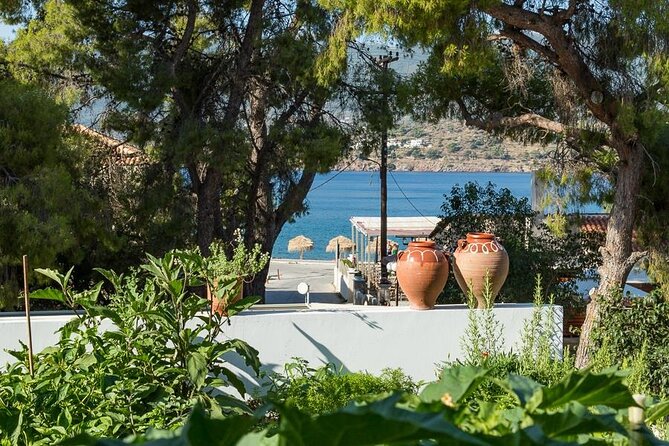
A neat detail here is that you’ll hear how traditional recipes connect to ancient Greece. That doesn’t mean you get a museum lecture. It means the chef frames why certain ingredients and methods matter—why olive oil shows up, why herbs stay central, why certain flavors keep coming back through time. You leave with context, not just techniques.
Drinks: Poros lemonade and a Greek-gods wine-inspired pour
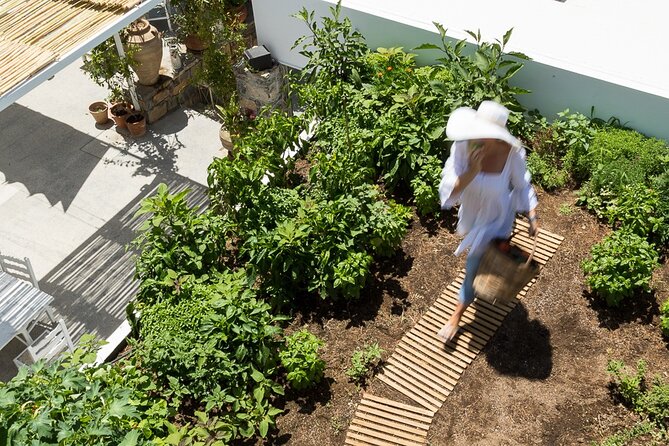
This is one of those small touches that makes the day feel local. You’ll start with Poros lemonade, plus an alcoholic drink described as a Nectar made with local wine and inspired by the Greek gods. You also get included drinks with lunch.
What’s practical about this? You’ll taste two flavors that set the mood of the island: crisp lemonade first, then a wine-based drink tied to local mythology. It’s not just about alcohol. It’s about pairing a cooking class day with the kind of drink Greeks might actually share around the table.
Lunch is not an afterthought—it’s the proof
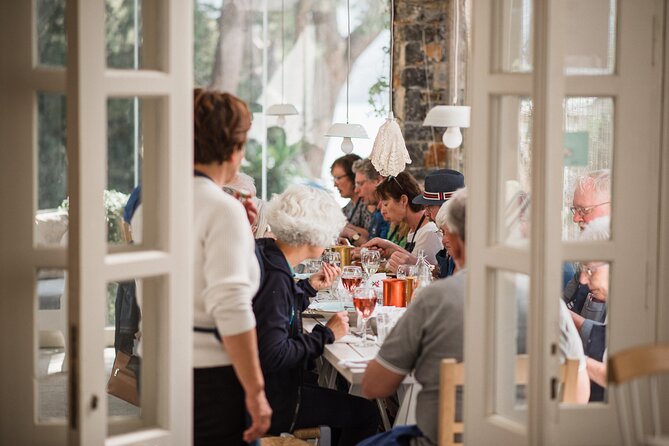
A lot of cooking classes feed you somehow. This one builds lunch as the product of your work and includes specific items:
- Tzatziki
- Greek salad
- Beetroot salad
- Seasonal grilled vegetables
- Plaki (fish/vegetarian/meat)
- Bougatsa dessert
- Lemonade
- An alcoholic drink
Eating is part of the experience, so you don’t just leave with recipes. You taste the meal in the form it was intended to be—balanced courses, not an all-at-once buffet.
Small-group pace: how 10 people changes the whole lesson
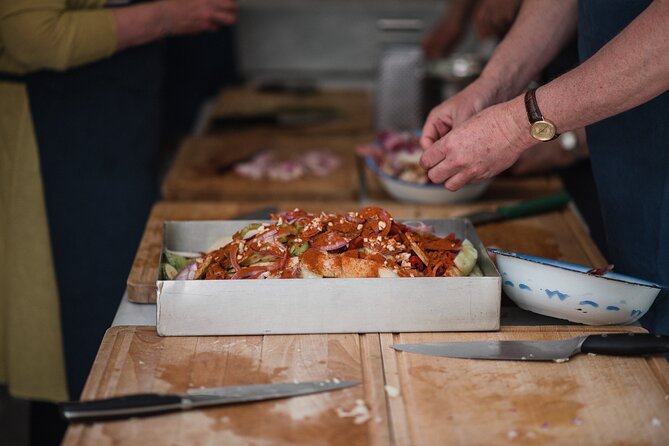
The cap is 10 travelers, and that matters. In a bigger class, you can end up as an observer with a few quick chances to stir. With this size, you’re more likely to stay engaged and get real guidance when you’re doing the work.
It also supports a relaxed tone. Past sessions mention patient teaching and friendly staff, plus a welcoming vibe even for solo participants. That fits what the class is trying to do: make you feel confident enough to make these dishes later, not just impressed in the moment.
Practical tips that save you time (and a bit of stress)
Here are the details that can help you get the most out of the day:
Arrive with a little buffer
The start includes lemonade, and there’s a chance you could miss that if you’re late. If you’re coming by ferry or you’re still figuring out local transport, give yourself extra time. You’ll enjoy the class more when you aren’t rushing at the door.
Know your meeting point and what to look for
You meet at Odyssey Bistro, on Poros (Odyssey Bistro, ΑΣΚΕΛΙ ΠΟΡΟΣ, Λεωφόρος ολυμπιονίκου Δημήτριου, Μούγιου 180 20, Greece). The end is back at the meeting point. If you plan a beach walk afterward, you’ll be grateful you’re not traveling across the island mid-day.
Dietary needs: ask and confirm early
There’s clear evidence the chef can accommodate allergies and adjust the menu and certain dishes. Don’t wait until you’re standing there hungry. If you have restrictions, tell them ahead of time so they can plan properly.
Transportation is workable
It’s described as near public transportation, which helps if you don’t want to rely on a taxi every time. Service animals are allowed too, so the experience is set up to be practical for more people.
Value check: $77.95 for a 3-course meal plus cooking instruction
$77.95 might sound like a lot for a lunch. But here’s why it often feels worth it: you’re paying for (1) a small-group class, (2) a chef-guided learning experience, and (3) an included full meal with drinks.
The included lunch is specific and substantial: multiple salads/veg, plaki, and bougatsa. Add in the drinks—lemonade plus an alcoholic drink—and you’re not buying ingredients. You’re buying the teaching, the meal, and the convenience of having everything handled.
Also, the class is about repeat value. Once you’ve made tzatziki and bougatsa-style dessert components, you can recreate Greek dinners later without guessing. That’s a different kind of souvenir than a photo.
Who this cooking class suits best
This is a good fit if you:
- Want a hands-on Greek meal on Poros, not just another restaurant stop
- Like learning techniques behind familiar dishes (tzatziki, baked plaki, custard pastry)
- Prefer small-group experiences where the chef can answer questions
- Have allergies or dietary limits you want handled with adjustments (request in advance)
It’s also a good choice for couples and small groups, and it can work well solo since the teaching focus is on interactive cooking rather than large-team choreography.
Should you book this Poros Greek cooking class?
If you want one high-value day that combines food, technique, and island atmosphere, I’d say yes. The strongest reasons to book are the small group size (so you’re not just watching), the organic ingredient focus, and the fact that lunch is built as a full, included 3-course meal—tzatziki through bougatsa.
Skip it only if you’re chasing a nonstop, hours-long cooking marathon. This class is more structured and teaching-led than a full kitchen bootcamp. If that sounds fine, you’ll likely walk away with better-than-average Greek food memories—and dishes you can actually recreate.
FAQ
How long is the traditional Greek cooking class on Poros?
The experience lasts about 2 hours 30 minutes.
What’s included in the lunch?
Lunch includes tzatziki, Greek salad, beetroot salad, seasonal grilled vegetables, plaki (fish/vegetarian/meat), and bougatsa dessert, plus lemonade and an alcoholic drink.
How many people are in the group?
This activity has a maximum of 10 travelers.
What dishes will I learn to make?
The experience highlights tzatziki, spanakopita pie, fish plaki, and bougatsa custard pastry, along with the included meal dishes.
Is a local English-speaking guide/cook provided?
Yes, the class includes a local English-speaking guide/cook.
Can the menu be adjusted for allergies?
There are examples of the chef accommodating allergies and adjusting the menu and certain dishes. It’s best to share your allergy details in advance.