REVIEW · ANAHEIM AND BUENA PARK
Thai Cooking Class in Fullerton, California
Book on Viator →Bookable on Viator
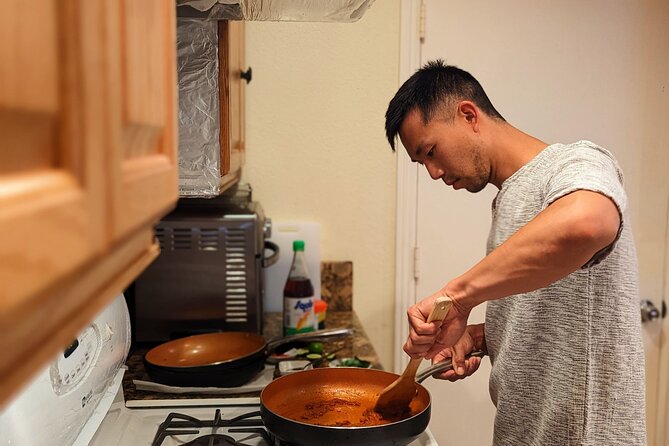
Thai food has a way of sticking with you. This private class in Fullerton lets you cook Central Thai and Isaan favorites in a home kitchen near California State University, then sit down and eat what you made with your host, Young. I like that you get hands-on instruction instead of watching from the sidelines, and you’re taught how Thai cooks build flavor from scratch.
Two things I really like: the class focuses on three dishes you can actually replicate later, and Young’s teaching style is patient with a pace that feels comfortable. The conversation also brings in Thai regional ideas, so it’s not just recipe talk—it’s context you can use when you order Thai food back home.
One drawback to weigh: you only learn three recipes in the 2-hour cooking window. If you want a longer tasting flight or a bigger menu, this format may feel short.
In This Review
- Key highlights (worth planning for)
- A home kitchen near Cal State Fullerton (the real draw)
- Price and timing: $66 that buys real instruction
- The three dishes you’ll actually learn (and why they’re smart choices)
- Pineapple curry: sweet, savory, and balanced
- Wing beaned salad: crunch + heat + zing
- Galangal soup: soothing comfort with a bright edge
- Flavor balancing: the skill that travels home with you
- Thai regional cues: Central Thai, Royal Thai, and Isaan
- After you cook: sharing the meal at the table
- Vegetarian, vegan, and pescatarian options that you should plan for
- Private tour vibe: you get attention, not crowd control
- Getting there and what to expect on arrival
- Who this class is best for
- Who should skip it (or consider another option)
- Book it or not? My practical take
- FAQ
- Where does the Thai cooking class start?
- How long is the experience?
- What dishes will I learn to cook?
- How much does it cost?
- Is this a private class?
- Are vegetarian, vegan, or pescatarian options available?
- Is there a mobile ticket and when will I get confirmation?
- Can I cancel for a full refund?
Key highlights (worth planning for)
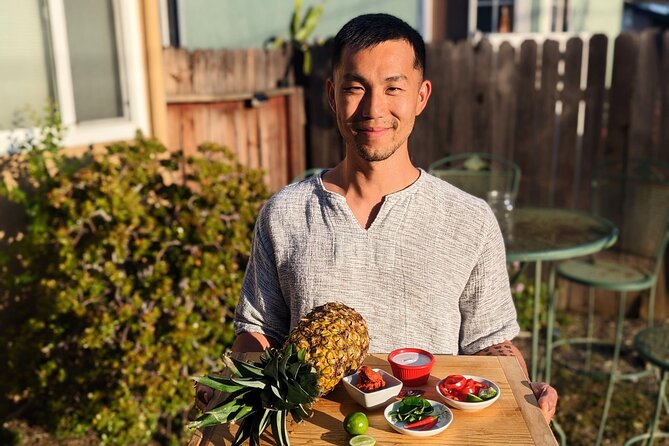
- Home-kitchen setting near Cal State Fullerton for a more local feel than a storefront studio
- Hands-on cooking for three dishes from scratch: pineapple curry, wing beaned salad, galangal soup
- Flavor-balancing lessons so you understand what makes Thai food taste right
- Private group experience with only your party participating
- Thai hospitality at the table after cooking, sharing the meal with Young and family
- Dietary flexibility for vegetarian, vegan, and pescatarian diets (tell Young in advance)
A home kitchen near Cal State Fullerton (the real draw)
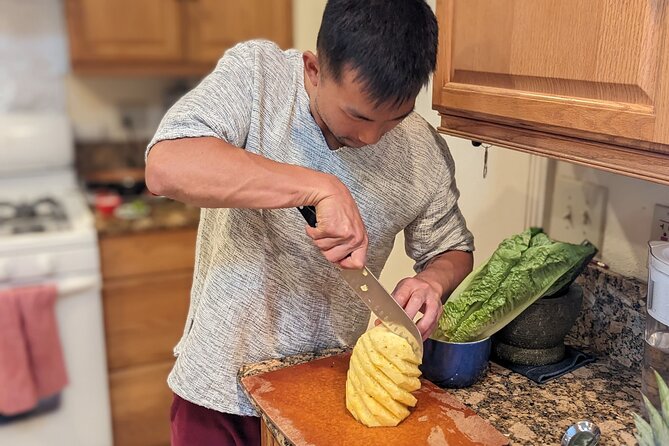
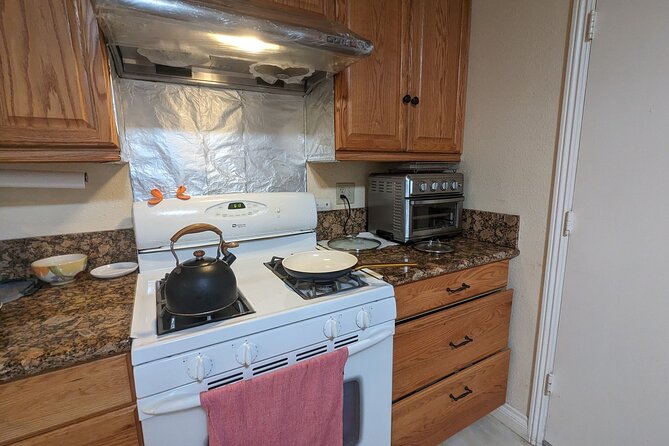
This isn’t a big commercial cooking show. You start at 819 N Acacia Ave in Fullerton, in a residential area near California State University, and that matters. A home setting changes the tone: it’s calmer, more personal, and it feels like you’re learning alongside a family rather than working through a checklist in a classroom.
Young cooks with the kind of pride that shows up in details. The vibe is practical and friendly, with instruction that aims to help you get results, not just follow steps. If you’re the type who likes to understand why a dish tastes the way it does, you’ll appreciate the emphasis on the right balance of flavors.
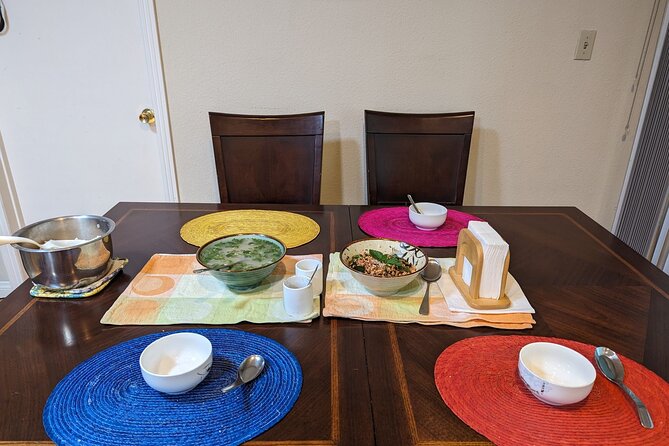
And yes, after the cooking you eat together. That “cook, then sit down” rhythm is one of the strongest reasons to book a class like this.
Price and timing: $66 that buys real instruction
At $66 per person, this sits in a mid-range price bracket for a private cooking class. What makes it feel like value is what’s bundled into that cost: you’re cooking three recipes, you get hands-on coaching, and then you share the meal you helped prepare.
The total experience runs about 3 hours. The hands-on cooking portion is around 2 hours, then you sit down to eat. That timing is efficient. You’re not spending your whole evening shopping, waiting, and standing around. You get to the good part—working in the kitchen—fast.
One practical note: it’s described as having a mobile ticket, and confirmation comes within 48 hours of booking (depending on availability). If you like having your plans locked in, that short window is helpful.
The three dishes you’ll actually learn (and why they’re smart choices)
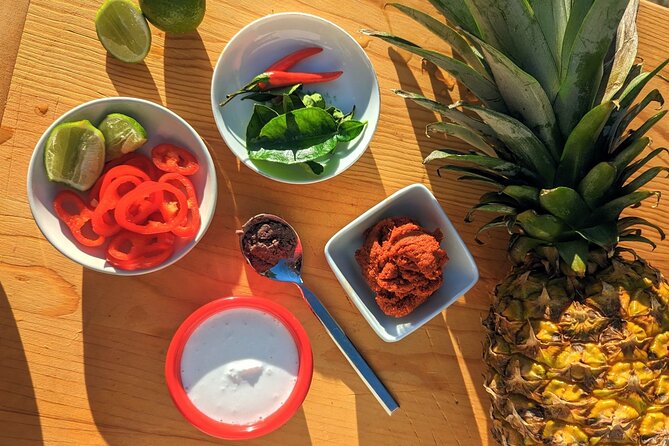
The class is built around three recipes, each with a different flavor profile. That’s a smart structure because it teaches you more than one “Thai cooking style.” It also keeps the lesson focused enough that you finish feeling confident, not rushed.
Pineapple curry: sweet, savory, and balanced
Pineapple curry gives you a clear example of Thai balance. The dish name alone hints at the key idea: the fruit brings sweetness, while curry brings depth. You’ll learn to build a flavor base and adjust until it tastes right, which is exactly the kind of skill that helps you later when you cook or order similar dishes.
This recipe also gives you a memorable payoff. Curry is comforting, and pineapple makes it feel lighter and more aromatic than the usual “just spicy” stereotype people carry around.
Wing beaned salad: crunch + heat + zing
Wing bean salad is the kind of recipe that teaches Thai flavor building in a different way. Salads in Thai cuisine often rely on sharp, punchy seasoning to wake up the ingredients. Wing beans bring crunch, and the dressing is where you learn how Thai cooks layer salty, sour, and spicy notes into one cohesive bite.
If you’ve ever tasted a Thai salad and wondered why it’s so addictive, this is the recipe you want. It’s also the one that tends to improve your ability to season by taste, not by guesswork.
Galangal soup: soothing comfort with a bright edge
Galangal soup is another strong choice because it teaches you about Thai aromatic foundations. Galangal is the signature note here, and soups like this usually feel clear and fragrant rather than heavy.
You’ll get practice understanding how the soup flavors come together—again with the focus on the “right balance.” Even if you don’t cook this exact soup at home often, the lesson helps you recognize similar flavors in other Thai dishes.
Flavor balancing: the skill that travels home with you
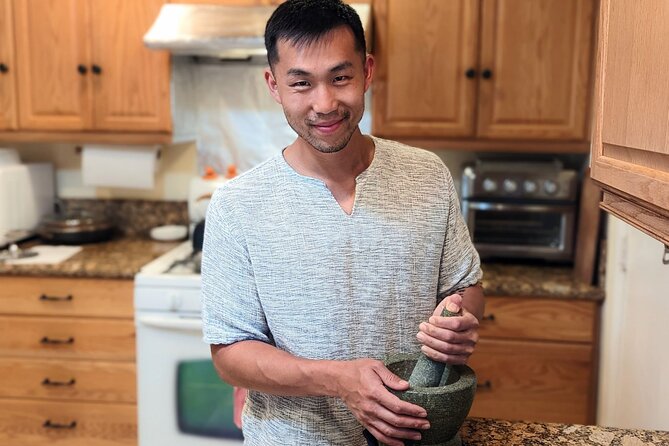
Thai cooking often gets explained as spicy. That’s only part of the story. The class specifically trains you to get the right balance of flavors, and that’s what makes it useful long after the class ends.
In practical terms, this means you’re not just copying a recipe like a robot. You’re learning how to make adjustments. When something tastes off—too sharp, too flat, not enough depth—you’ll understand what to tweak and in what direction.
That’s also why people enjoy classes taught at home instead of in a rushed demo setting. Young’s approach, based on how the class is described, is patient and ready to help you correct as you go.
Thai regional cues: Central Thai, Royal Thai, and Isaan
This class doesn’t treat Thai cuisine as one flat style. You learn and taste Central Thai food, traditional Royal Thai cuisine, and Northeastern Thai (Isaan) dishes. That matters because those regions don’t taste the same, even when the ingredients overlap.
You’ll also get an introduction to Thai hospitality, cuisine, and culture in California. That last part is subtle but real: you’re learning in a local Thai household in Fullerton, not just absorbing a script from Thailand.
From the experience descriptions, Young handles the mix with confidence and explains how the regions relate. It’s also where the conversations tend to get colorful and detailed—exactly the kind of chat that makes a cooking class feel like a cultural exchange rather than a task.
After you cook: sharing the meal at the table
The meal part isn’t an afterthought. After the hands-on cooking, you sit down and share what you made. This turns the class into something social and satisfying, not just educational.
This structure also helps you taste with a purpose. While you’re cooking, you focus on the flavor balance. When you eat, you immediately feel whether that balance worked. Then you can ask questions and get clarifications right away.
If you’re learning Thai for the first time, this table moment is where the recipes stop being abstract.
Vegetarian, vegan, and pescatarian options that you should plan for
Good news: Young can accommodate vegetarian, vegan, and pescatarian diets. The key is timing—let him know in advance about any dietary restrictions.
That matters because the class is hands-on and focused on learning specific dishes. You don’t want to show up with dietary questions halfway through. If you communicate your needs early, you increase your chances of getting a version of the dishes that fits your way of eating and still teaches the same flavor-balance lessons.
If you’re traveling with someone who eats differently than you, this setup is one reason to book. It’s private, so you’re not stuck hoping the kitchen can adjust for last-minute needs.
Private tour vibe: you get attention, not crowd control
This is a private tour/activity. Only your group participates, which changes everything about the coaching. You can ask questions without worrying that you’re slowing down a big line of people, and your host can keep an eye on what you’re doing.
It also helps if your group has different comfort levels in the kitchen. Cooking classes often sort people into two camps: confident and curious, or nervous and careful. A private format helps bridge that gap.
From the way the class is described, Young’s instruction is patient and the pace feels right. That combination is a big deal. A cooking class that runs too fast turns into stress. A class that’s too slow turns into boredom. This one aims for that middle sweet spot.
Getting there and what to expect on arrival
The meeting point is 819 N Acacia Ave, Fullerton, CA 92831. The activity ends back at the meeting point.
It’s also described as near public transportation, which is useful if you don’t want to rely on a car for a residential-area address. Still, you’ll want to plan for a calm arrival—this is a home setting, not a hotel lobby.
Bring your energy. Ask questions. And if you have dietary restrictions, communicate them early so Young can plan accordingly.
A small practical tip: wear clothes you’re comfortable cooking in. Home-kitchen food prep often involves a bit of mess, and it’s better to dress like you’re cooking than like you’re heading to brunch.
Who this class is best for
This Thai cooking class works especially well if you want:
- A hands-on Thai cooking experience, not just a tasting
- Recipes you can repeat: pineapple curry, wing beaned salad, galangal soup
- A lesson focused on flavor balance (so you can adjust, not just copy)
- Cultural context about Central, Royal, and Isaan styles
- A private setting where you can actually talk and learn
It’s also a good fit for couples or small groups who want a shared activity that ends with a real meal. And if you’re vegetarian/vegan/pescatarian, the class is set up to handle those diets—just tell Young ahead of time.
Who should skip it (or consider another option)
If your dream is a long, multi-stop food tour with lots of different bites, this format may disappoint. You’re centered on one kitchen and three dishes. The upside is focus. The downside is fewer dishes than a larger food experience.
Also, if you need detailed accommodations beyond vegetarian/vegan/pescatarian support, the only solid move is to ask directly before booking. The class data confirms those three dietary categories, so you’ll want to clarify anything outside that scope.
Book it or not? My practical take
I’d book this Thai cooking class if you want a real learning experience with a home-kitchen feel and you care about cooking skills you can use later. At $66, getting instruction on three dishes plus sitting down to eat them is a fair trade, especially because it’s private and guided by Young.
I’d think twice if you’re chasing volume—more dishes, more stops, more time eating. This is a focused, skills-first class. For many people, that’s exactly what makes it memorable.
If you book, do two things: message your dietary needs early, and arrive ready to cook and taste. That’s when the whole lesson clicks.
FAQ
Where does the Thai cooking class start?
The class meets at 819 N Acacia Ave, Fullerton, CA 92831.
How long is the experience?
The experience is about 3 hours total, including about 2 hours of cooking and then a meal you share after.
What dishes will I learn to cook?
You’ll cook three dishes from scratch: pineapple curry, wing beaned salad, and galangal soup.
How much does it cost?
The price is $66.00 per person.
Is this a private class?
Yes. It’s a private tour/activity, and only your group participates.
Are vegetarian, vegan, or pescatarian options available?
Yes. Young can accommodate vegetarian, vegan, and pescatarian diets—just let him know in advance about your dietary restrictions.
Is there a mobile ticket and when will I get confirmation?
You’ll use a mobile ticket, and confirmation is received within 48 hours of booking (subject to availability).
Can I cancel for a full refund?
You can cancel up to 2 days in advance for a full refund.