REVIEW · TERCEIRA
Terceira Island: Azores Cooking Class Experience
Book on GetYourGuide →Operated by ProIslandTour-passeios turísticos Lda · Bookable on GetYourGuide
A wooden oven beats a restaurant every time. This Terceira class pairs authentic Alcatra cooking with local bread, guided by Antonio and his team in a real home setting. I love the relaxed pace too, with starters and drinks while the food works its magic, plus real conversation and big sea views.
One possible drawback: the Alcatra you cook may use chicken rather than beef. If you’re set on a specific version, ask your operator what protein is planned for your date.
In This Review
- Key things to look forward to
- Why Alcatra in a Terceira backyard oven feels special
- The drive + the wait: starters, views, and a slower kind of meal
- Bread making at the wooden oven: where the time actually goes
- Alcatra cooking: the tradition, the method, and what you might make
- What you eat while it cooks: cheese, sausages, and a proper lunch
- Walking the property: bees, fruit trees, and a taste of daily life
- The host experience: conversation, timing, and the Antonio factor
- Price and logistics: is $140 per person worth it
- Weather, timing, and what to wear so the day stays pleasant
- Who should book this cooking class (and who might want a different plan)
- Should you book? My practical take
- FAQ
- What dishes will I be making during the class?
- Where does the cooking happen?
- How long should I plan for?
- Is pickup and drop-off included?
- How many people are in the group?
- What drinks and food are included?
- What languages does the guide speak?
- What should I bring, and is there a flexible booking option?
Key things to look forward to
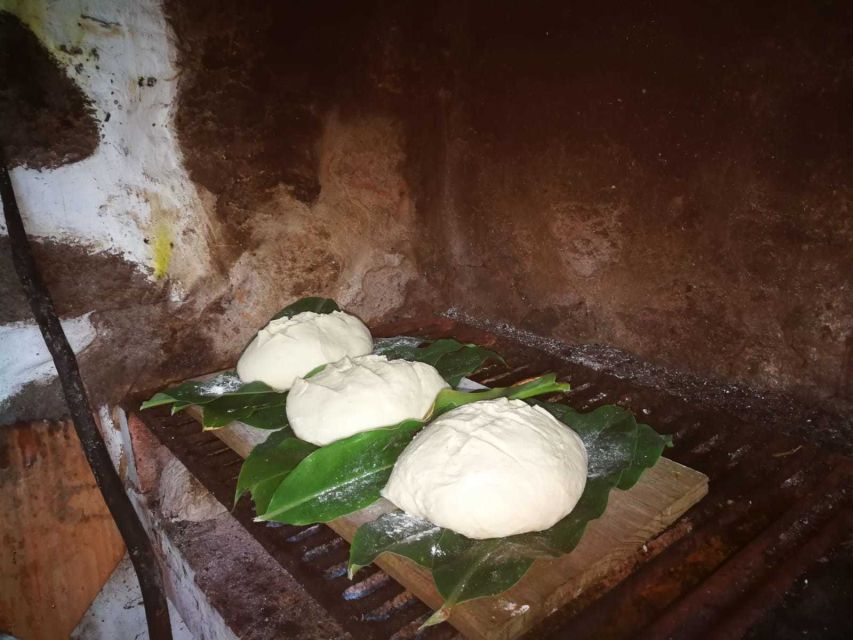
- Hands-on Alcatra cooked in a traditional wooden-oven setup at a local home
- Fresh local bread made alongside the main dish, not just served to you
- Sea-and-garden time while the food cooks, including a chance to walk the property
- Nibbles before the meal like cheese, bread, and local sausages/linguiças
- Small group size (6 max) so you actually get time to cook and ask questions
- Food plus atmosphere: wine, beer, water of your choosing, and dessert at the end
Why Alcatra in a Terceira backyard oven feels special
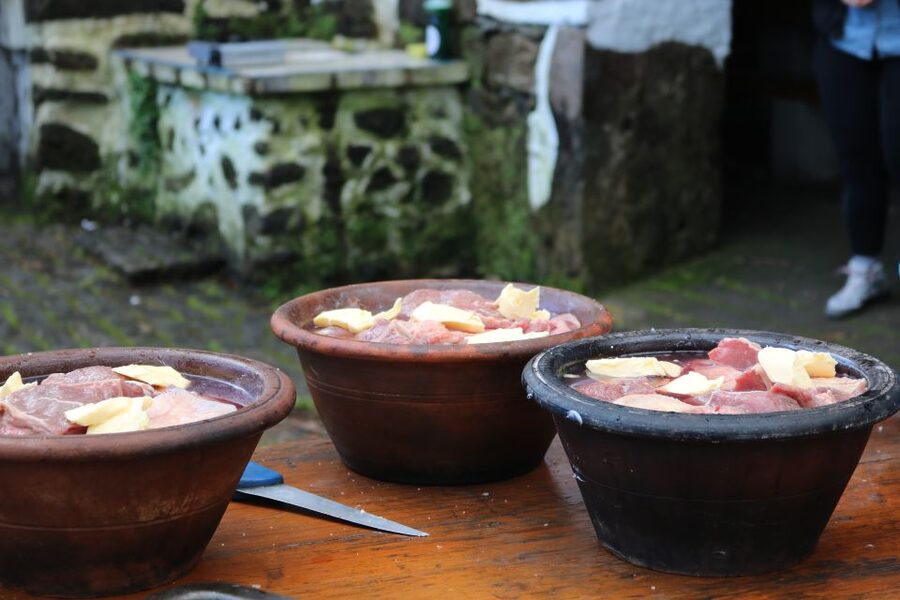
Terceira has a way of making food feel personal. This cooking class is built around one of the island’s most traditional dishes—Alcatra—and it’s done in a wooden oven right where locals live. That means you’re not just learning recipes. You’re seeing the rhythm of how the meal comes together.
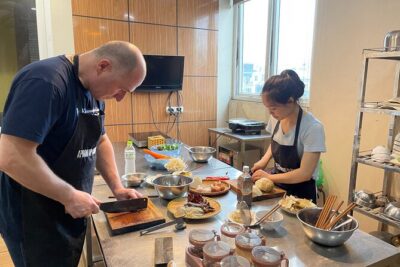
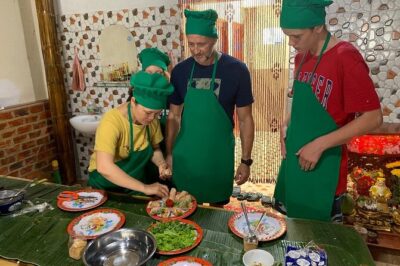
I especially like that the experience is practical. You’ll be working with your hands: bread first, then the Alcatra process, then sitting down to eat what you made. If you’re the kind of person who likes to understand why something tastes the way it does, this is the right format.
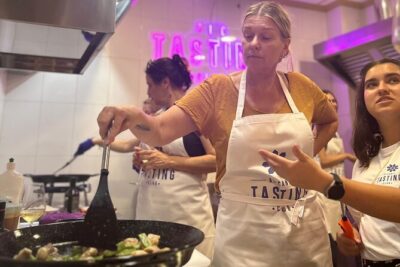
The group stays small, limited to 6 participants, which matters more than you’d think. You get real back-and-forth with the guide and the host, not a rushed, watch-from-a-distance vibe.
You can also read our reviews of more tours and experiences in Terceira.
The drive + the wait: starters, views, and a slower kind of meal
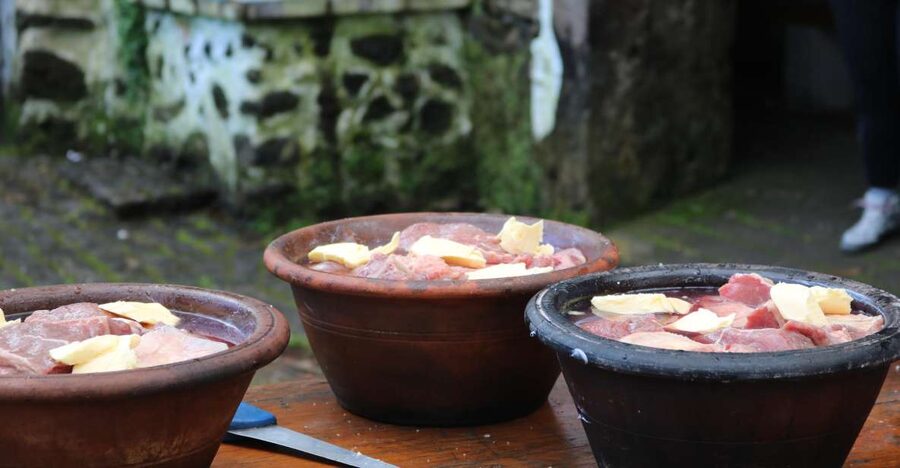
Your day starts with pickup and ends with drop-off back at your accommodation. In my experience, there’s also a scenic island drive built in before you reach Antonio’s place. Even the travel across Terceira’s interior is part of the mood shift—less tourist mode, more island living.
Once you arrive, the waiting time doesn’t feel like waiting. While the Alcatra and bread are doing their thing, you’ll start nibbling on local bites—cheese and bread show up, then things like local sausages and linguiças come out to keep you satisfied. Drinks are included with lunch, and you can choose wine, beer, or water.
This is one of those small details that turns the day into something you’ll remember. Instead of one big meal at the end, you get layers: snacks, conversation, then the full sit-down lunch when the oven timing is right.
Bread making at the wooden oven: where the time actually goes
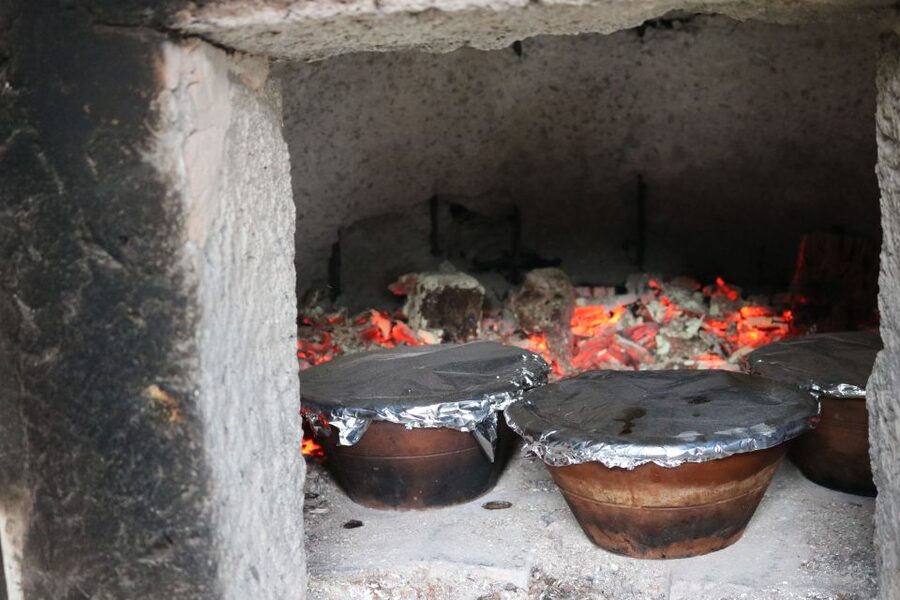
Bread is not a side quest here. You’ll learn how to make a local bread and bake it in the wooden oven. I love this part because it’s hands-on and quick to understand. You can see changes happening as the dough moves from mixing to shaping to baking.
In Antonio’s setup, things start smoothly. The space gives you room to work, and you’re able to begin right away rather than spending the morning standing around. That matters if you’ve ever taken a cooking class where the real cooking begins after most of the time has passed.
Also, bread in a wood-fired oven has a texture that’s hard to fake. Even without fancy explanations, you can taste the difference. You’ll be served alongside cheese and will keep eating as the rest finishes cooking, so you don’t get stuck waiting for the main event.
Alcatra cooking: the tradition, the method, and what you might make
Alcatra is one of those island dishes that people talk about because of the slow-cooked payoff. You’ll learn to cook it in the traditional style, and you’ll do it as part of the group experience at a local home. The host walks you through the steps and keeps things moving at a pace that feels relaxed, not frantic.
Here’s the key detail to know before you book: some sessions may use chicken instead of beef. One review specifically mentioned that the version made was with chicken, which disappointed someone expecting the classic beef approach. That doesn’t make the experience worse—chicken Alcatra can still be delicious—but it does mean your expectations should stay flexible.
If Alcatra is a must for you in a particular form, send a quick note when you reserve and confirm the protein planned for your date. You’ll enjoy the class more when what’s cooking matches what you’re hoping to learn.
What you eat while it cooks: cheese, sausages, and a proper lunch
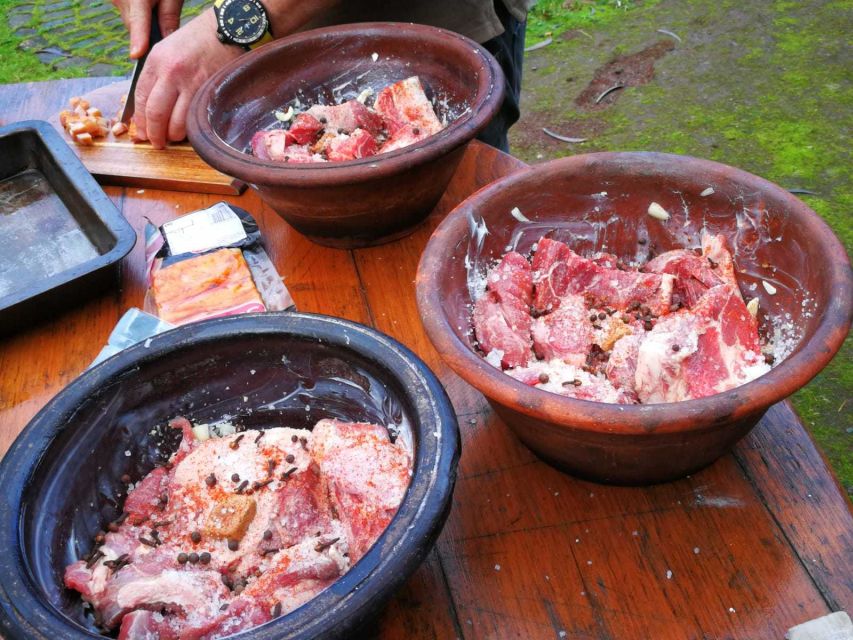
This isn’t just a cooking demo where you eat one plated course. The experience builds a meal in stages while the oven does the work.
Before the main meal, you’ll get local cheese and bread. Then come the snacky, satisfying items—local sausages and linguiças—so you’re not stuck wondering when dinner arrives. Drinks are included, and the choices are simple: wine, beer, and water of your choosing.
When the food is ready, you’ll sit down to eat the cuisine you prepared. In one detailed account from Antonio’s session, the meal also included side dishes like rice and salad, plus coffee and dessert afterward. Even if your exact sides may vary a bit by day, the overall rhythm is the same: you cook, you snack, then you settle in for the full meal.
Walking the property: bees, fruit trees, and a taste of daily life
Between cooking steps, you get time to breathe. You can walk around the property and see bees and fruit trees. If fruit is in season, you may be able to pick some while you’re there, which adds a fun, literal connection between land and plate.
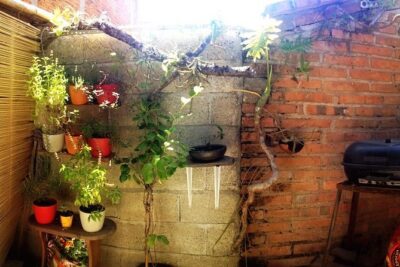
I like this downtime because it turns the class into more than a meal transaction. You’re in a real place with animals, plants, and outdoor space, and you can slow down enough to take in the views. In one visit, the setting included wide views toward the sea, and the host’s garden area became part of the experience.
Practical tip: wear proper footwear. The weather on Terceira can shift fast, and outdoor walking is part of the day. A light wind breaker helps too.
The host experience: conversation, timing, and the Antonio factor
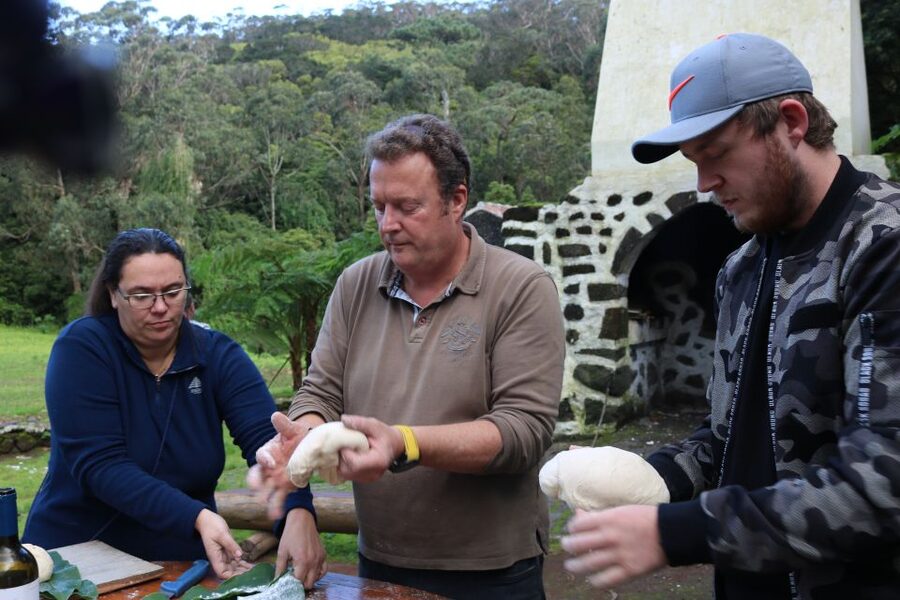
A big reason this class earns strong ratings is how it feels. The atmosphere is friendly and family-style. Antonio is prepared, keeps things organized, and makes sure you feel welcome without turning it into a scripted performance.
One review even mentioned a playful moment with the chickens and turkeys—so yes, there’s a good chance you’ll get a little rural charm while you’re arriving or wandering the property. That kind of thing doesn’t need to be planned to land well, and it’s exactly what makes a home-cooked experience different from a classroom.
Guides also cover multiple languages: Spanish, English, and Portuguese. That’s not just nice for comprehension. It helps you ask real questions about technique, timing, and what to look for while cooking.
Price and logistics: is $140 per person worth it
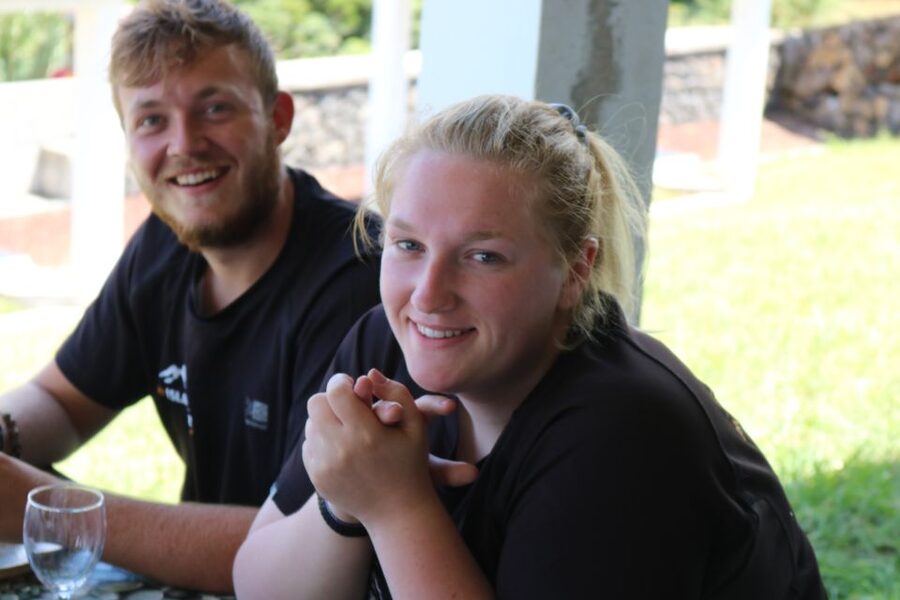
At $140 per person for about 5 hours (with most sessions running closer to 6–7), you’re paying for more than recipes. You’re paying for a real place to cook, a traditional wooden-oven setup, ingredients, a full lunch, drinks, and dessert. You also get pickup and drop-off, and the group stays small.
For me, the best value checks are these:
- Hands-on cooking time (bread + Alcatra), not just watching
- Included meal flow (starters, lunch, dessert, and drinks)
- Small group limit (6 max) that keeps the day personal
- Pickup and drop-off that removes the hassle of driving and parking
If you compare it to doing a similar day on your own, you’d still spend money on food and transportation. What you usually wouldn’t recreate easily is the oven setup and host-led teaching in someone’s home.
Weather, timing, and what to wear so the day stays pleasant
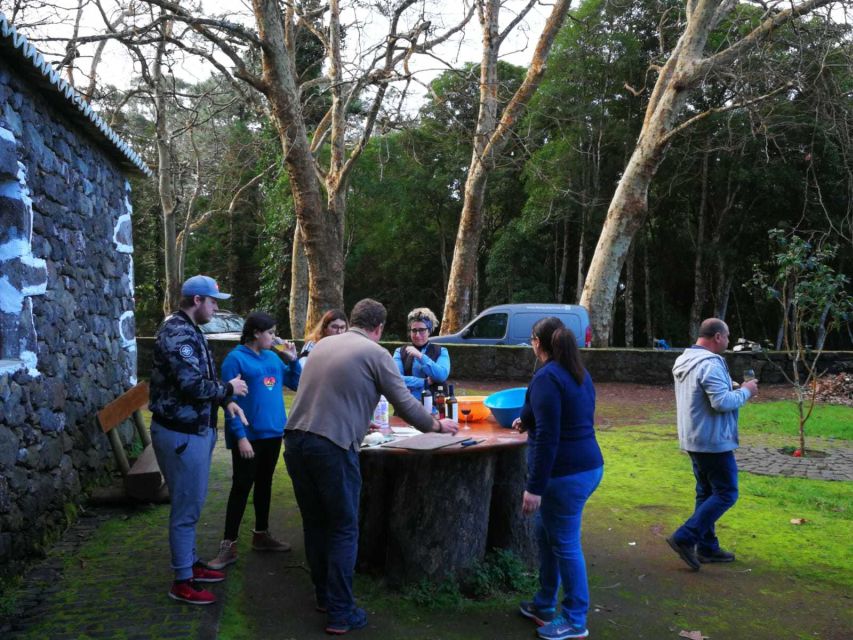
Terceira weather can change rapidly, and this class spends part of the time outdoors or transitioning around the property. The operator specifically recommends bringing a wind breaker and proper footwear.
Timing is another reality check. The activity duration is listed as 5 hours, but the day can run a little longer, and most sessions last between 6 and 7 hours. Plan your schedule accordingly so you don’t end up stressed about your next reservation or dinner time.
Also, since you’ll be cooking and eating, dress for comfort. You don’t want slick shoes or anything you can’t move in. Think: grippy, weather-appropriate, and comfortable for a few hours.
Who should book this cooking class (and who might want a different plan)
This class suits you if:
- You want real food skills, especially bread and island cooking methods
- You like small groups and conversation over crowds
- You’d rather spend time with a local host than hop between multiple quick stops
- You’re happy with a relaxed outdoor-to-oven flow and a meal in stages
It may be less ideal if you need everything tightly standardized. One review noted the Alcatra used chicken instead of beef, which suggests there can be variation session to session. If you’re a strict traditionalist about meat choice, confirm the protein before you go.
If you’re traveling with a wheelchair, the experience is listed as wheelchair accessible, which is a meaningful plus. Still, wear supportive shoes and be ready for some uneven outdoor walking since it’s a home setting.
Should you book? My practical take
I’d book this if you want a Terceira day that feels grounded in daily life: cook in a wooden oven, eat what you make, and get a few quiet outdoor moments with sea views and garden atmosphere. The small group size helps the day feel human, and the included meal flow keeps it comfortable from the first snack to dessert.
If you’re on the fence, do two quick checks when you reserve:
1) Ask whether your Alcatra is planned with chicken or beef.
2) Dress and pack for changing weather with a wind breaker and proper shoes.
If those fit your expectations, this is a strong use of time on Terceira—hands-on, local, and easy to enjoy even if you’re not an experienced cook.
FAQ
What dishes will I be making during the class?
You’ll cook Alcatra and learn how to make local bread. You’ll also enjoy local starters such as cheese, bread, and local sausages and linguiças, plus lunch and dessert.
Where does the cooking happen?
The cooking happens at a local home, using a wooden oven. You’ll also sit down there to eat your freshly prepared meal.
How long should I plan for?
The activity is listed as 5 hours, but it can vary a little. Most likely, plan for about 6 to 7 hours.
Is pickup and drop-off included?
Yes. Pickup and drop-off are included, and you’ll be picked up from your Terceira Island accommodation.
How many people are in the group?
It’s a small group limited to 6 participants.
What drinks and food are included?
Lunch is included, along with drinks. You can choose wine, beer, and water. Dessert is included too, and there are local starters while the food cooks.
What languages does the guide speak?
The live tour guide speaks Spanish, English, and Portuguese.
What should I bring, and is there a flexible booking option?
Bring a wind breaker and proper footwear, since the weather can change quickly. The booking also offers reserve now & pay later, and you can cancel up to 24 hours in advance for a full refund.