REVIEW · SAN JUAN
Puerto Rican Gastronomy Cooking Class
Book on Viator →Operated by Atelier Sazon · Bookable on Viator
Taste Puerto Rico, market first, cook second. This class is built around farmers market shopping and hands-on cooking, with Chef Patricia guiding you through Puerto Rican flavors and the food stories behind them. One thing to keep in mind: the group can feel too tight if it reaches the upper limit.
I like that you’re not just watching. You’re buying ingredients, prepping them, cooking, and then eating what you made—plus you get a welcome cocktail on arrival and the class includes lunch, snacks, and dessert. The day runs about 3.5 hours, starts at 9:00 am, and ends back at the same meeting point.
In This Review
- Key Highlights You’ll Actually Use
- Why the Farmers Market Stop Sets the Tone
- Meeting Chef Patricia and Learning the Puerto Rican Flavor Logic
- The Cooking Session: What You’ll Actually Be Doing
- Lunch, Snacks, and the Welcome Cocktail
- What the Cultural Lessons Add (Beyond the Recipe)
- Practical Logistics: Timing, Walking, and Group Size
- Value at $167: Why This Price Makes Sense
- Who Should Book This Class—and Who Might Skip It
- Should You Book? My Take
- FAQ
- Where does the cooking class start?
- What time does the experience begin?
- How long is the class?
- What’s included in the price?
- Is there a farmers market stop?
- What about dietary restrictions or allergies?
- How big is the group?
- Do I need to arrange transportation?
- Is the class accessible if I can’t do stairs?
- What if the minimum number of participants isn’t met?
Key Highlights You’ll Actually Use
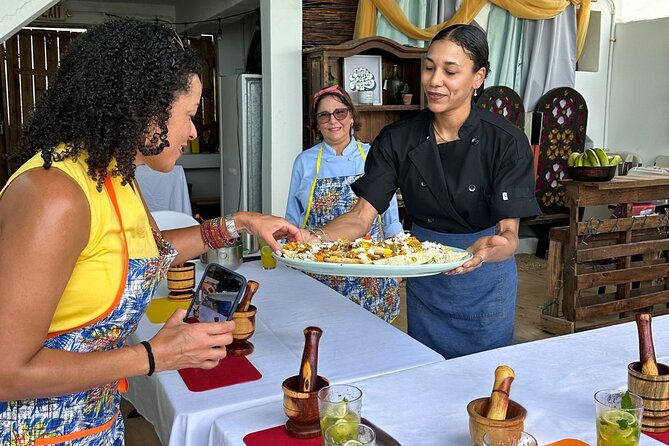
- Farmers market ingredient hunt: You pick what you’ll cook, then learn why those staples matter.
- Chef Patricia’s hands-on instruction: You cook step by step, not just taste at the end.
- Food stories tied to what you make: Cultural meaning comes before (and during) the cooking.
- Welcome cocktail plus lunch and snacks: This isn’t a tiny demo; you leave fed.
- Group size capped (max 16): If you prefer lots of elbow room, keep that in mind.
Why the Farmers Market Stop Sets the Tone
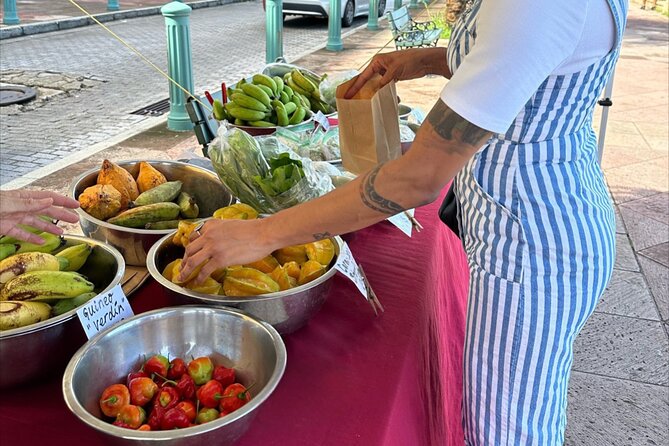
Your morning starts with a quick grounding in San Juan’s everyday food world. You meet at Tótem Telúrico (San Juan 00901) around 9:00 am, then head to a local market where you shop for ingredients together with your chef.
This part matters because it changes how you cook. Instead of following a list, you’re choosing produce and staples that match what’s available that day. You also get to talk with local vendors and learn what people actually buy and use. That turns the class from a simple cooking lesson into something more practical: you start to understand flavors, textures, and what’s seasonal—or at least what’s typical right now.
Also, you’ll hear about agricultural practices and staple foods. Even if you’re not planning to cook Puerto Rican food at home tomorrow, you walk away with better context. You’ll know why certain ingredients show up again and again, and that makes the recipes feel more intuitive.
Meeting Chef Patricia and Learning the Puerto Rican Flavor Logic
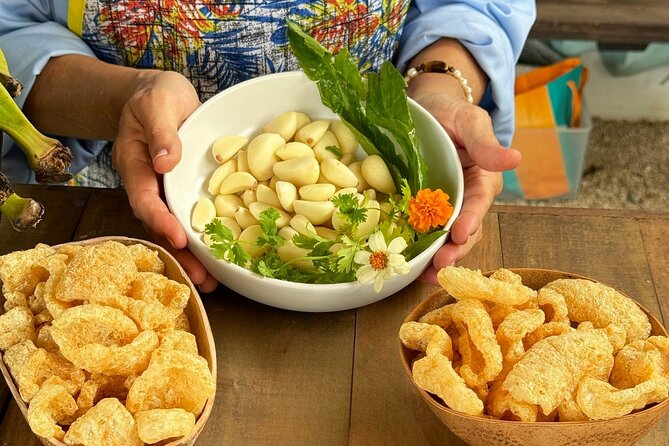
Once you move from the market to the kitchen, the class pivots from shopping to technique. Your chef explains what you’re making and the cultural significance of the dish you’ll work on—so you’re not seasoning in the dark. The teaching style is interactive and very hands-on, with a focus on prep, timing, and how to build flavor as you cook.
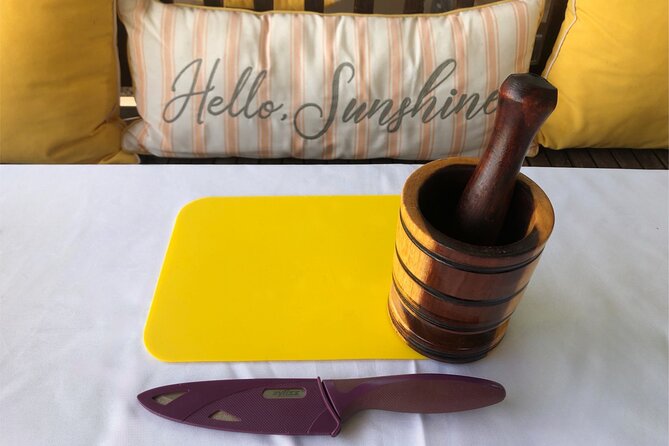
You’ll get your ingredients ready while your chef walks you through the process. That includes practical cooking basics—utensils, cooking supplies, and aprons are provided—so you’re not hunting for gear or trying to follow along while improvising with missing tools.
One detail I really like is the emphasis on “the why,” not just “the how.” As you cook, you’ll learn family-recipe style methods and new techniques. And yes, there’s a cultural nod to adding a pinch of amor while seasoning. It’s playful, but it also signals something real: Puerto Rican cooking tends to feel personal, not robotic.
If you want a fun “take-home,” ask your chef about their dessert recipe. The class specifically encourages you to go for that secret dessert recipe—something to watch for when you’re wrapping up and chatting.
The Cooking Session: What You’ll Actually Be Doing
The class is designed so you’re an active participant. You’re not standing on the sidelines. You’ll handle the ingredients, follow steps with guidance, and cook a traditional Puerto Rican dish based on the lesson plan your chef provides.
Because the class includes prep plus cooking, plan for a full block of time and bring your energy. At around 3 hours 30 minutes total, you’ll have enough momentum to get past the nervous “I’m not sure what I’m doing” stage and into the “oh wow, I can make this” confidence.
Cooking classes can sometimes overpromise and underdeliver. This one feels built to land the experience: you get equipment, instruction, and then you get to eat what you made.
Lunch, Snacks, and the Welcome Cocktail
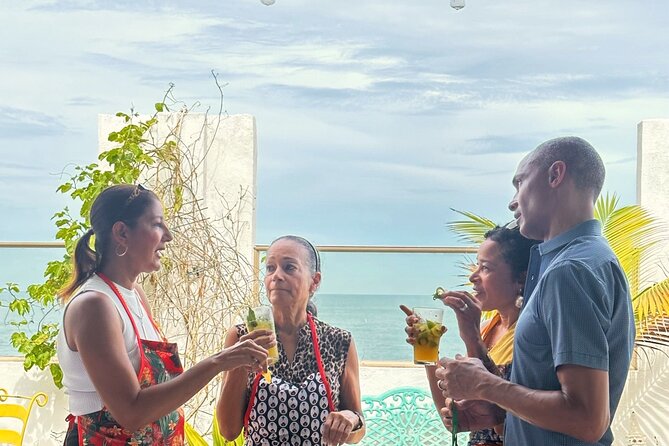
Food doesn’t take a back seat here. Lunch is included, and you also get an appetizer and dessert as snacks during the experience.
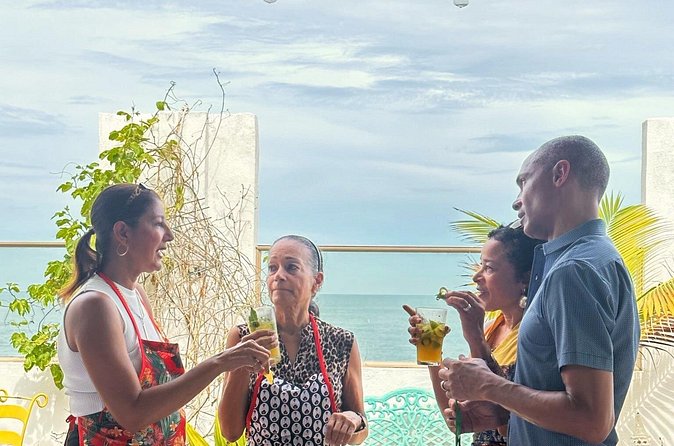
On top of that, you’ll receive a welcome cocktail when you arrive, and alcoholic beverages are included. That’s a meaningful value boost, because a lot of cooking classes quietly skip the drinks or treat them as optional extras.
For readers who like their experiences “complete,” this format works well. You’re shopping, cooking, and then enjoying a full meal—so the class doesn’t feel like a half-day activity that turns into a hunt for dinner afterward.
What the Cultural Lessons Add (Beyond the Recipe)
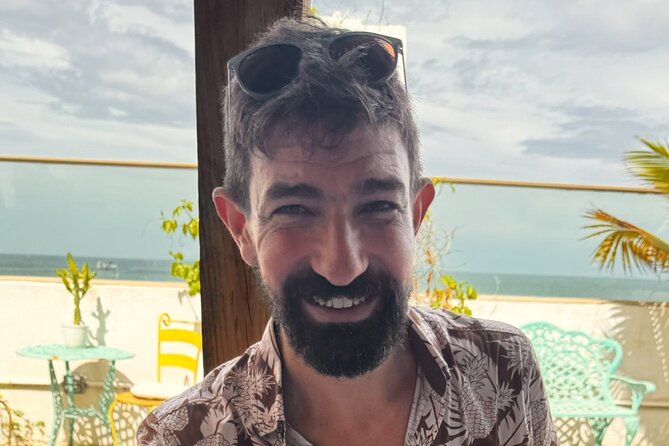
Cooking lessons can be two things: either they’re just instructions, or they connect food to place. This class leans toward the second. Before and during the cooking, you learn about heritage and culture passed down through food.
That’s not just trivia. It changes how you perceive the dish once it’s on your plate. When you understand the role staple foods play, and how island agriculture supports what ends up on tables, the meal feels anchored. It’s easier to remember the ingredients and techniques, too, because you associate them with a story.
The result is the kind of lesson that makes you more confident if you’re ever cooking it again later. Even if you don’t replicate the exact steps, you’ll remember the flavor logic—what creates depth, what brightens, and how seasoning ties it together.
Practical Logistics: Timing, Walking, and Group Size
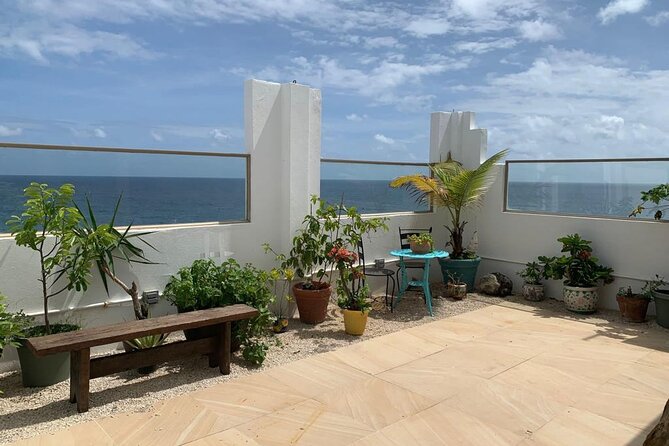
The basics you should plan around:
- Start time: 9:00 am
- Duration: about 3 hours 30 minutes
- Start and end: you return to the meeting point
- Location: San Juan
- Provider: Atelier Sazon
- Ticket: mobile ticket
- Group size: maximum 16 travelers
There’s also a reality check built into the experience: the class requires some walking and includes walking up/down a flight of stairs. If stairs are a problem for you, this is the one part of the day that could feel like a mismatch.
Group size is the other practical consideration. The cap is 16, but the class can still feel crowded if the group fills out. If you prefer slower pace, more personal attention, or extra space while cooking, try to book dates when you expect fewer people—or choose a time that doesn’t attract large party groups.
Good news: dietary restrictions are something the experience says it can accommodate. Let them know at least 24 hours in advance, and they’ll work with you.
Value at $167: Why This Price Makes Sense
At $167 per person, you should ask: what’s included, and what’s the “real cost” you’re saving?
Here’s what you get as part of the price:
- Lunch
- A welcome cocktail and alcoholic beverages included
- Appetizer and dessert
- All cooking equipment and basics (utensils, aprons, etc.)
- A farmers market ingredient selection experience
- Cooking instruction with cultural context
Many food experiences charge for the cooking part only, then you pay extra for the meal. In this case, you’re getting a full eating arc: appetizer, lunch, and dessert, plus drinks. That alone can shift the value math.
Also, you’re paying for guided shopping and guided cooking at the same time. You’re not just buying a recipe card; you’re buying the experience of learning how to select ingredients locally and then cook with proper tools and coaching.
In plain terms: if you want one outing where you leave fed, slightly better at cooking, and with a stronger feel for Puerto Rican food culture, this pricing holds up.
Who Should Book This Class—and Who Might Skip It
This works especially well if you:
- Like interactive activities where you cook, not just watch
- Want a food-focused day that includes a market stop
- Enjoy learning the cultural story behind what you eat
- Are traveling with a small group and want a shared activity (it fits celebrations well)
It might not be the best match if:
- You can’t do stairs or extended walking
- You dislike groups getting close, especially near the maximum size
- You only want a quick tasting session (this is a longer, hands-on class)
If you’re a first-timer in Puerto Rico, it’s also a smart entry point because it connects ingredients to culture right away. You get orientation fast—without needing to research on your own.
Should You Book? My Take
Yes, I’d book it—if you’re ready for a hands-on cooking day that’s more than a snack stop. You get a real farmers market start, guided cooking with Chef Patricia, and a meal that includes lunch plus snacks and dessert. Add the welcome cocktail, and it feels like a full experience rather than a short demo with an afterthought dinner.
Just be honest about two things before you go: you’ll walk and there are stairs, and group size can affect comfort. If that sounds fine, this class is a strong way to spend a morning in San Juan and come home with recipes you’ll actually want to make again.
FAQ
Where does the cooking class start?
It starts at Tótem Telúrico, San Juan, 00901, Puerto Rico.
What time does the experience begin?
The start time is 9:00 am.
How long is the class?
The duration is about 3 hours 30 minutes.
What’s included in the price?
Lunch is included, along with a welcome cocktail and alcoholic beverages. You also get an appetizer and dessert, plus all equipment needed for cooking.
Is there a farmers market stop?
Yes. You visit a local farmer’s market, choose ingredients, and talk with local vendors before cooking.
What about dietary restrictions or allergies?
The experience says it can accommodate dietary restrictions or food allergies. Let them know at least 24 hours in advance.
How big is the group?
The maximum group size is 16 travelers.
Do I need to arrange transportation?
Private transportation is not included, so you’ll handle getting there on your own.
Is the class accessible if I can’t do stairs?
The experience requires some walking and walking up/down a flight of stairs.
What if the minimum number of participants isn’t met?
The tour requires a minimum of 9 participants to run. If it’s canceled for that reason, you’ll be offered a different date/experience or receive a full refund. Free cancellation is also available up to 24 hours before the experience starts.