REVIEW · SEATTLE
Private Seattle Cooking Class with a Chef in Her Home
Book on Viator →Operated by Traveling Spoon · Bookable on Viator
Dinner starts with a view of Lake Union. This private Seattle cooking class is hosted in Chef Brittney’s home in Eastlake, with a Lake Union backdrop and a plan built around Pacific Northwest flavors from fresh local produce and standout seafood. You meet, sip a drink, then roll up your sleeves for a hands-on session that ends with a shared meal and wine or beer.
I really like the private, chef-in-home format because it feels personal and practical, not scripted. I also like the way the menu is tied to local ingredients, including seafood sourced from a local community-supported fishery that helps keep quality and sustainability front and center. One thing to consider: it’s in a home kitchen, so it’s not a big-show restaurant experience, and you’ll handle getting to the condo in Eastlake since there’s no hotel pickup.
In This Review
- Key Highlights You’ll Care About
- Entering Eastlake: meeting Brittney at Lake Union’s doorstep
- What the 3-hour flow feels like (and how to plan your evening)
- Hands-on Pacific Northwest cooking: the heart of the class
- Your likely menu: Pacific Northwest ingredients, season-driven choices
- Learning the “why” behind fish, puree, and sauces
- The seafood piece: local, high-quality, and sustainability-minded
- Starters, sides, and bread: how the meal gets balanced
- Dessert and the clean finish: tart, creamy, floral
- Wine or beer at the table: turning cooking into a shared meal
- Price and value: what $198 per person really buys you
- Dietary needs: when vegetarian or vegan is available
- Who should book this Seattle cooking class (and who might skip it)
- Should you book this in-home cooking class?
- FAQ
- How long is the Seattle cooking class?
- Is this a private experience?
- What’s included in the price?
- Where does the experience start and end?
- Can the menu be adjusted for dietary restrictions?
- What are the cancellation terms?
Key Highlights You’ll Care About
- Lake Union condo setting in Eastlake: a calm, scenic start before you cook.
- Hands-on cooking for about 1.5 hours: you’re not just watching.
- Three seasonal dishes: a full mini-meal you help build from scratch.
- Pacific Northwest focus with smart flavor twists: menus may lean Mediterranean or Asian while staying local.
- Seafood sourcing you can feel good about: black cod, salmon, and shellfish tied to a local community-supported fishery.
- Meal with wine or beer included: you cook, then sit down together.
Entering Eastlake: meeting Brittney at Lake Union’s doorstep

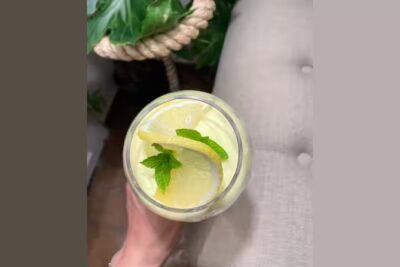
This class begins in Eastlake (Seattle, WA 98102), and the meeting point is listed as the starting and ending point for the experience. You’ll walk into a residential condo setting that still feels “Seattle” right away thanks to the Lake Union view. Expect a host welcome, a refreshing drink, and a conversational start where Brittney shares what it’s like living in Seattle.
That first stretch matters more than you might think. It’s not a formality; it’s how you get oriented and comfortable before the kitchen work begins. Also, it sets the tone: this isn’t a quick tour-stop meal. It’s a real evening of cooking and eating together in someone’s home.
You can also read our reviews of more tours and experiences in Seattle.

What the 3-hour flow feels like (and how to plan your evening)
The total experience runs about 3 hours. The hands-on portion is about 1.5 hours of cooking, and then you shift into eating what you made. Since it ends back at the meeting point, you’re not juggling complicated end-of-tour transfers.
Because you’re in a private setting, the pace is designed to be relaxed rather than rushed. You’ll spend enough time on technique to understand what you’re doing (fish, salad or root veggie puree, sauce-making for the main dish), and then you’ll get the payoff: a meal you helped assemble.
Practical tip: plan to arrive on time and hungry enough to enjoy the meal after cooking. You’ll likely be standing, tasting, and working—so scheduling something tight right after the class is a gamble.
Hands-on Pacific Northwest cooking: the heart of the class
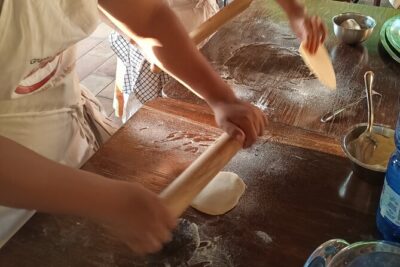
The core of this cooking class is learning Pacific Northwest cuisine through a practical, step-by-step kitchen experience. Brittney’s kitchen is described as small but open and contemporary, which shapes the experience: you’ll be working close to your host and your fellow group members, with clear focus on the food rather than big kitchen theater.
During the cooking lesson, you’ll work on techniques that actually translate to your own home cooking. You’ll learn how to cook fish, build a fresh starter side (like a salad or root vegetable puree), and understand how sauces support the main dish.
And yes, you’ll cook three seasonal dishes. That’s a big deal for value. You’re getting multiple bites of skill—starter prep, main technique, and sauce logic—rather than spending the whole time on one item.
Your likely menu: Pacific Northwest ingredients, season-driven choices
Your menu is seasonal, and it celebrates Pacific Northwest ingredients. The flavors may be influenced by Mediterranean or Asian flavors, but the ingredients stay grounded in local quality.
Here’s what you should be prepared to see on the table during the cooking portion and meal:
- Main options can include furikake and salt-crusted black cod, or black cod/salmon paired with a miso carrot puree. These choices point to a style that treats seafood as the star, then adds brightness and depth through puree and seasoning.
- Starter options can include cabbage and carrot slaw in ginger soy vinaigrette or a lemon spinach quinoa salad. Either way, you’re getting acidity and freshness alongside the richer main.
- Sides or bread might include brown rice or grilled artisanal bread, which helps round out the meal and gives you a “how would I serve this at home?” idea.
- Dessert options can include apple and blackberry tart or homemade honey lavender almond ice cream, which is a sweet finish with a more thoughtful flavor profile than a generic dessert.
Menus can also reflect real past examples, like a main that’s sockeye salmon with walnut basil pesto, plus sides such as a spinach-goat-cheese salad with lemon vinaigrette and desserts like chocolate tahini truffles with pomegranate molasses. Even when your exact menu differs, the pattern is consistent: local seafood + seasonal produce + sauces that make the flavors connect.
Learning the “why” behind fish, puree, and sauces
Most cooking classes teach steps. This one is designed to teach technique and reasoning, especially around the main.
Fish is front and center. You’ll practice a fish-focused approach—salt-crusting and seasoning in the black cod examples, or working with salmon/black cod paired with a puree and miso-based flavors. The point isn’t just to make dinner; it’s to learn how to get a satisfying result from seafood without guessing.
You’ll also make either a salad or a root vegetable puree. That balance matters. Purees and salads bring different textures and flavors: puree tends to add body and comfort, while salads add snap and acidity. Either way, you’ll learn how the side supports the fish rather than competing with it.
Then comes the sauce work. You’ll learn the techniques involved in making sauces that accompany your main. This is where you gain control. Sauces are the difference between eating something you ordered and eating something you could re-create.
The seafood piece: local, high-quality, and sustainability-minded
If you care about seafood quality, this class is unusually serious about it. Brittney uses fresh and local produce and seafood whenever possible, and the seafood—native salmon, black cod, and shellfish—is sourced from a local community-supported fishery, described as the only one in Washington. That’s the kind of detail that usually separates a “nice meal” from a meal you feel confident about.
What this means for you: you’re less likely to get a random ingredient substituted for convenience. Even if your menu changes with the season, the sourcing philosophy stays consistent—high-quality local seafood rather than generic frozen fish.
If you’re coming to Seattle specifically because you want to eat well and understand what makes the region’s food taste like itself, this part is a strong match.
Starters, sides, and bread: how the meal gets balanced
One of the underrated wins in a class like this is how you build a complete plate. You’re not making one dish and calling it a night. The starters and sides are planned to do real work on flavor and texture.
When the starter is something like ginger soy vinaigrette cabbage slaw or lemon spinach quinoa, you get brightness that cuts through richness. When the side is miso carrot puree or brown rice or grilled artisanal bread, you get comfort and structure—food that’s satisfying on its own, but even better with the sauce and fish.
This structure also helps you when you cook later. You’ll have a template: crisp element + comforting element + seafood main + sauce. That’s easier than copying a recipe line-by-line.
Dessert and the clean finish: tart, creamy, floral
Dessert is built into the learning payoff, not treated like an afterthought. You might make an apple and blackberry tart—a classic combination with seasonal fruit payoff—or a honey lavender almond ice cream, which brings a floral, fragrant note that feels distinctly special without needing any fancy equipment at home.
Desserts like these help the class feel complete. You cook savory food, taste as you go, and then end with something that makes the whole meal feel thoughtfully designed.
Wine or beer at the table: turning cooking into a shared meal
After about 1.5 hours of cooking, you sit down to eat what you made with Brittney. You can enjoy the meal with wine or beer, and alcoholic beverages are included.
That matters for the overall experience. You’re not scrambling to finish, clean, and exit. You get a slow, human moment where you share the meal together—exactly what people want when they book an in-home cooking class instead of a standard food tour.
If you like food experiences that feel more social and less formal, this format fits well.
Price and value: what $198 per person really buys you
At $198 per person, this isn’t a budget cooking class. But the value case is pretty clear once you look at what’s included and what you’re paying for.
You’re getting:
- A private Pacific Northwest cooking class in a chef’s home
- All fees and taxes
- Alcoholic beverages (wine or beer)
- Gratuities included
- A hands-on session that ends in a shared fresh, seasonal meal
So you’re paying for more than instruction. You’re paying for ingredients, a chef-led experience, private access to a home kitchen, and the full meal at the end.
If you’re comparing this to group classes in commercial studios, the price can look high. But if you’re comparing it to a solid dinner out plus the cost of a chef-led food experience, the math shifts. You also get the technique transfer—fish cooking, puree/salad building, and sauce-making—that you can use again.
Dietary needs: when vegetarian or vegan is available
This class can accommodate vegetarian and vegan meals on request. If you have dietary restrictions or allergies, you should advise Brittney at the time of booking.
This is important because seafood is a central theme. With dietary needs handled upfront, you’ll still get a menu that fits your requirements rather than showing up hoping for substitutions.
If you’re cooking for family back home and you want options that aren’t seafood-only, this flexibility helps.
Who should book this Seattle cooking class (and who might skip it)
This experience is a great match if you want:
- A private Seattle food experience in a local home setting
- A hands-on way to learn Pacific Northwest cooking techniques
- A meal that’s built around seasonal ingredients and high-quality seafood sourcing
- A relaxed night that includes wine or beer with your meal
You might skip it if you’re looking for:
- A large group, party-style atmosphere
- A restaurant-like setup with lots of public dining space
- A tour with hotel pickup and drop-off convenience
Also consider timing and comfort with home-kitchen logistics. It’s intimate by design.
Should you book this in-home cooking class?
If you like food that feels local, not generic, I think you’ll enjoy this. The combination of a Lake Union setting, a chef-hosted private format, and the focus on seafood sourcing plus sauce skills makes it a strong choice for a “Seattle dinner you can’t replicate at home” night.
Book it if you want real technique and a full meal experience in one go. Skip it if you need a big public venue or you prefer tasting without cooking. Either way, it’s the kind of Seattle activity that turns a dinner plan into a memory—and leaves you with skills, not just photos.
FAQ
How long is the Seattle cooking class?
It’s approximately 3 hours total, with about 1.5 hours spent cooking.
Is this a private experience?
Yes. It’s private, and only your group participates.
What’s included in the price?
The price includes the private cooking class with your host Brittney, all fees and taxes, alcoholic beverages, gratuities, and the cultural and culinary experience. Hotel pickup and drop-off are not included.
Where does the experience start and end?
It starts in Eastlake, Seattle, WA 98102, and it ends back at the same meeting point.
Can the menu be adjusted for dietary restrictions?
Yes. Brittney can offer vegetarian and vegan meals on request. You should advise any dietary restrictions or allergies at the time of booking.
What are the cancellation terms?
You can cancel for a full refund if you cancel up to 24 hours before the experience’s start time. If you cancel less than 24 hours before, the amount paid is not refunded.