REVIEW · URGUP
Private Cappadocia Food and Culture Tour: Turkish Cooking Class
Book on Viator →Operated by Neon Tours · Bookable on Viator
Cooking in a real home beats a cookbook.
This private Cappadocia experience pairs hands-on Anatolian cooking in Ayvali with food you actually make, like vine-leaf rolls and börek pastries, then serves it as a proper village lunch. I also like the cultural stops tied to the meal, from a kiraathane Turkish coffee pause to Cappadocian wine tasting in a traditional wine cave. One thing to think about: the tour includes lunch and Turkish coffee, but alcohol/extra drinks can depend on what’s covered—so check when you book, especially if you’re budgeting.
You’ll start at 9:00 am and get hotel pickup and drop-off in the Urgup area, which makes the day feel smooth instead of rushed. And because it’s private, you’re not competing with a big bus group for time, space, and questions—exactly the kind of setup that helps you learn without feeling like you’re being herded.
In This Review
- Key things that make this tour worth your time
- Ayvali village, where food is daily life
- 4 hours with pickup: a schedule that doesn’t waste your morning
- Cooking with Tolga Duran’s family: what you’ll actually do
- Lunch you help make: vine-leaf rolls and börek
- Wine cave tasting and kiraathane Turkish coffee
- Cappadocian wine cave tasting
- Turkish coffee at the kiraathane
- Price and value: what $280 buys you here
- The real difference: private attention and a family welcome
- Who should book this tour (and who might skip it)
- Should you book the Private Cappadocia Food and Culture Tour with the Turkish cooking class?
- FAQ
- Where does this tour take place?
- How long is the tour?
- What time does it start?
- Is pickup and drop-off included?
- Is this tour private?
- What language is it offered in?
- What’s included in the food during the tour?
- Do I need to buy admission tickets?
- What if plans change and I need to cancel?
Key things that make this tour worth your time
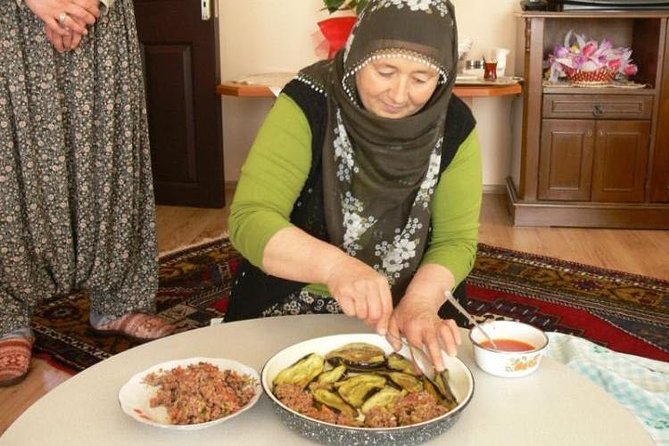
- Ayvali village cooking in a family home (not a showroom kitchen)
- You help prepare classic dishes like yaprak sarması and börek
- A Turkish coffee stop at the kiraathane where locals share news and conversation
- Cappadocian wine tasting in a traditional wine cave
- Private guide attention with transport included, built for a 4-hour pace
Ayvali village, where food is daily life
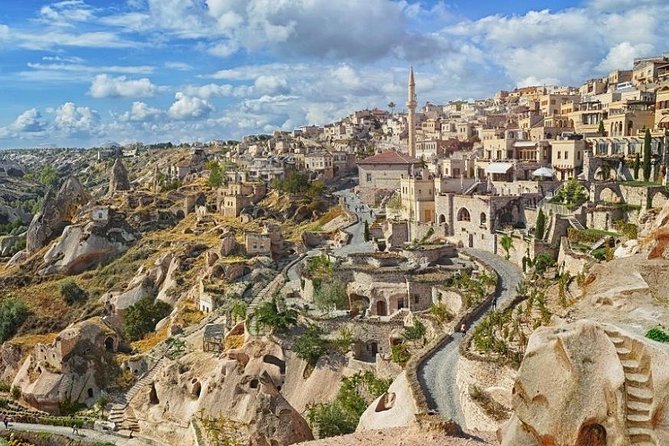
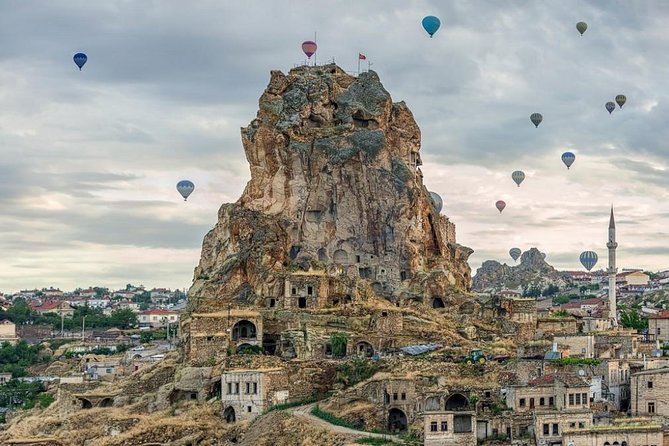
Cappadocia is famous for fairy chimneys and postcard views. This tour is different. It’s built around everyday life in a small community—food, hospitality, and local rituals that happen whether it’s tourist season or not.
Ayvali is the place you’ll base the experience in, and that matters. A cooking class in a restaurant can teach technique. This one is about context: why certain dishes show up together, how families work as a team, and how a meal fits into village rhythm. The tone is personal, too. In the class, you’re not just watching. You’re joining in with a family—something people consistently describe as warm and welcoming.
The biggest payoff here is that you’re not learning only recipes. You’re learning the social side of food: who does what in the kitchen, how the table gets set, and what gets served when you come in from the street.
4 hours with pickup: a schedule that doesn’t waste your morning
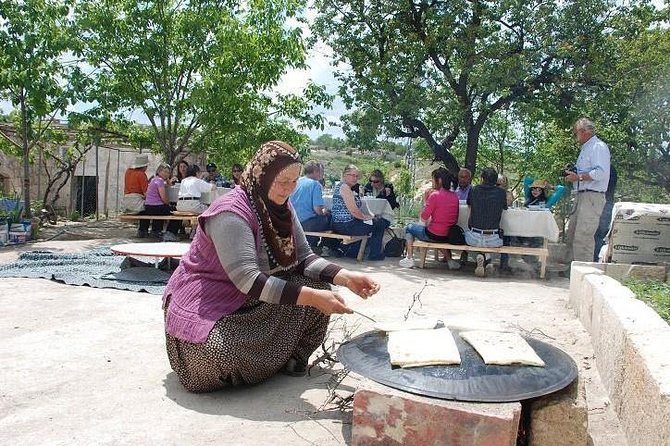
The tour runs about 4 hours, starting around 9:00 am. That timing is practical in Cappadocia. You beat the late-morning crush, and you’re still done early enough to keep the rest of your day flexible.
You also get hotel pickup and drop-off, plus private transport. For a day like this, that’s a real value point. You’re spending your time at the table and in the village, not figuring out where the group gathers and then how to return.
Since the experience is private, the timing works better for pacing. You don’t get dragged through the steps on someone else’s clock. Instead, your guide can slow down for questions—especially when you’re hands-on and learning how the food should look as it’s made.
Cooking with Tolga Duran’s family: what you’ll actually do
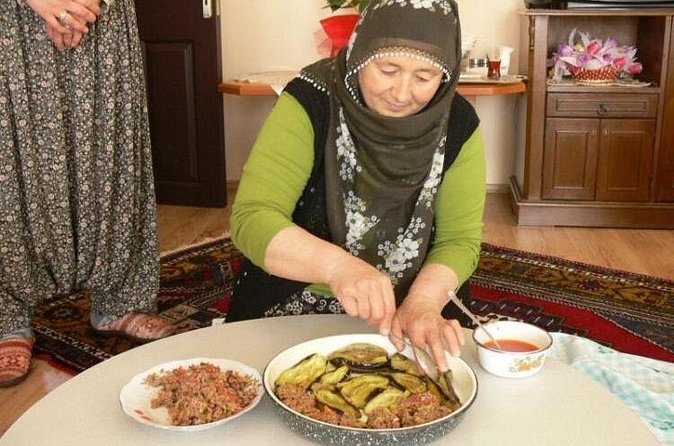
The cooking portion is the heart of the experience. The guide associated with the class is Tolga Duran, and the experience is run with his family. The details here are what people rave about: you’re welcomed into their home, you cook alongside them, and you get time to learn the process in a lived-in space.
What you should expect is this style of lesson:
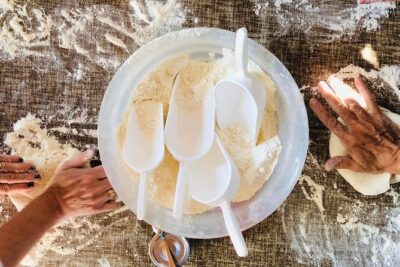
- You’ll help prepare classic Anatolian dishes together with the family.
- The session focuses on what goes into the food and how it comes together in real steps, not just theory.
- In many cases, the group prepares multiple dishes during the session—often described as three dishes—before sitting down to eat.
You might notice that the lesson is not only about one dish. You’re likely to see how fillings, shaping, and cooking work across different formats. That’s useful for you if you want to recreate it later, because you’re not left with one recipe and ten unanswered questions.
One practical tip: wear something that you don’t mind getting food smells on. Home kitchens can be wonderfully busy. Even if you’re not cooking nonstop, you’ll be close enough that you may come away smelling like spices. Not a bad souvenir, just a heads-up.
Lunch you help make: vine-leaf rolls and börek
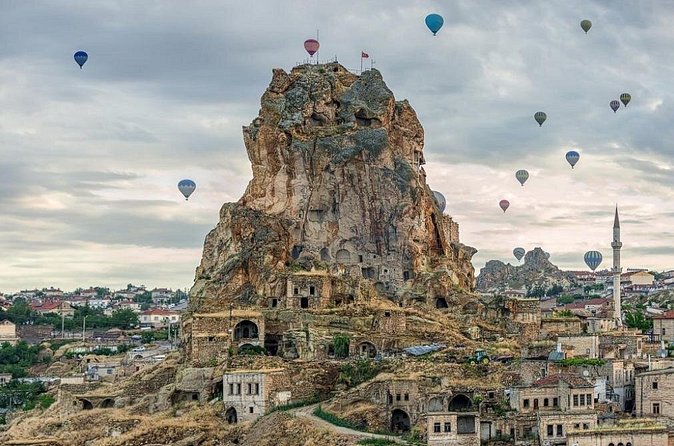
After the cooking session, the tour turns into the best part: lunch. You’ll eat the specialties you help prepare, and the meal typically extends beyond only what you made during class.
Two dishes called out as key parts of the meal are:
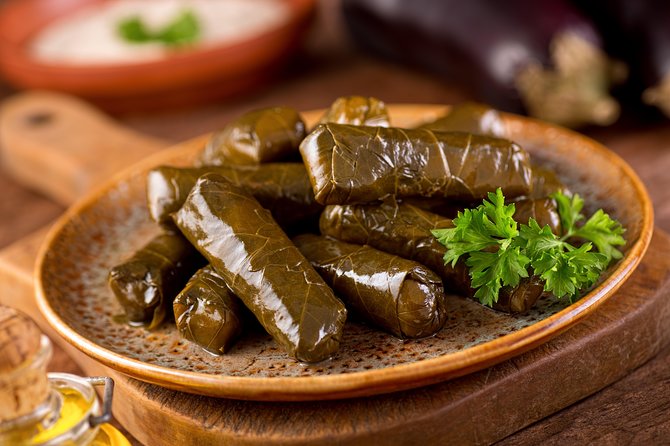
- Yaprak sarması (vine-leaf rolls)
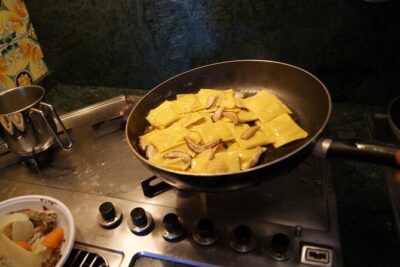
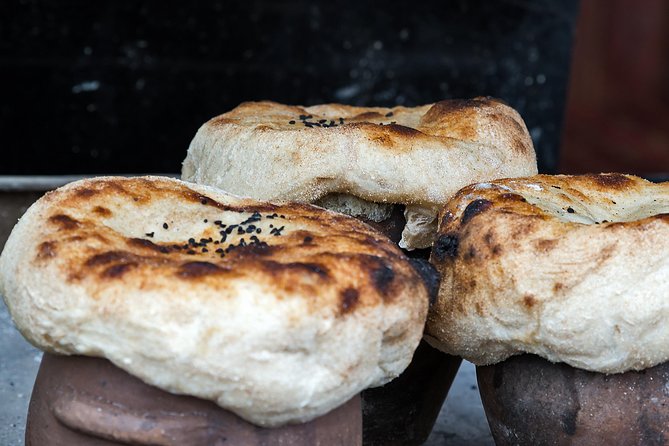
- Börek pastries
Both are classics, and they’re a great choice for a home-cooking lesson because they teach different skills. Vine-leaf rolls require patience and careful handling. Börek is about layered structure and getting the dough or pastry work right. Together, they give you a broad feel for how Anatolian flavors and techniques get built.
People also describe the lunch portion as generous—so much so that you may end up eating dishes you didn’t make yourself. That’s not a small detail. It’s part of the real value of a family table: you’re not just consuming your own practice portion. You’re being fed the way the household eats when guests arrive.
And because it happens right after the cooking, the meal makes sense. You understand what you’re tasting. You remember what you struggled with when shaping or rolling. That makes the food stick in your brain—and makes it easier to reproduce at home without guessing.
Wine cave tasting and kiraathane Turkish coffee
Food in Cappadocia connects to other local customs, and this tour threads that needle with two standout moments: a wine cave stop and a kiraathane visit.
Cappadocian wine cave tasting
You’ll sample Cappadocian wines in a traditional wine cave. Wine caves are not just a cool photo. They reflect how the region handles storage and tradition around wine. The tasting is a short cultural detour that helps you understand why certain flavors show up alongside meals like these.
Just keep expectations realistic. The tour describes sampling wines, not conducting a full deep tasting seminar. If alcohol is a factor for you, confirm what’s included and what costs extra before you go. That’s the safest way to avoid surprises.
Turkish coffee at the kiraathane
Next comes Turkish coffee and local customs at the kiraathane, described as the male villagers’ meeting place. This matters because it’s not a staged performance. It’s a look at a social space where conversation, news, and community life overlap.
You’ll also learn customs tied to that environment, and you’ll get Turkish coffee as part of the experience. Coffee here is more than caffeine. It’s the rhythm of how locals slow down and talk.
If you love small cultural moments—the kind that make you feel like you’re seeing how a place functions—you’ll appreciate this stop. It’s subtle, and it’s easy to gloss over in Cappadocia. This tour keeps it on your radar.
Price and value: what $280 buys you here
At $280 per person for a private 4-hour experience, this isn’t a budget snack. But it also isn’t trying to be. The value comes from how many things get bundled into one day:
- Private transport plus hotel pickup and drop-off
- A hands-on cooking session with a local family
- Lunch served in the village context
- Turkish coffee
- Cultural add-ons like kiraathane time and wine cave tasting
In other words, you’re paying for time and access. The family home component, in particular, is expensive in the real world because it’s people’s time—kitchen space, teaching time, and hosting. That’s also why this experience tends to get such strong praise: you’re not just buying an activity. You’re joining a household for a few hours.
To judge value for your own trip, think about what you’d otherwise pay separately: a cooking class, transport, and then a guided cultural stop. If you’d have to stitch those pieces together yourself, the private pricing starts to look more reasonable.
One more practical note: the tour states that food and drinks aren’t included unless specified. Lunch and Turkish coffee are included, but wine details can vary by what’s covered. So if you want alcoholic beverages beyond what’s included, ask ahead.
The real difference: private attention and a family welcome
Plenty of tours say they’re private. This one earns that label by designing the day around your group. That means more time for questions while you cook, more space to talk while you’re eating, and less waiting around while someone else gets their photos.
The experience is often described as feeling like you’re being welcomed like a friend. Tolga Duran is specifically mentioned as the guide for the class, and the warmth of his family is repeatedly part of the story. People also point out that the meal goes beyond the dishes you prepare, with lots of food on the table and attentive serving.
That attention matters because you’re in someone’s home. You’ll likely be more comfortable asking practical questions about ingredients, technique, and daily life when the tone is relaxed.
Who should book this tour (and who might skip it)
This tour is a great match if you:
- Want Cappadocia culture you can taste, not just see
- Love hands-on cooking and learning from the people who actually make the food
- Prefer a private, slower pace over crowded group touring
- Enjoy meals that come with context—how dishes connect to local life
You might consider a different type of activity if:
- You’re looking for a fast sightseeing checklist
- You want a totally self-paced experience with no guidance
- You’re very sensitive to schedule changes or food timing, since the day revolves around a family meal rhythm
- You’re strict about drinks being included, since wine tasting is part of the experience but drink coverage details should be confirmed
And on the practical side, the experience notes that most travelers can participate. Still, because it happens in a home and village setting, use common sense about comfort and mobility.
Should you book the Private Cappadocia Food and Culture Tour with the Turkish cooking class?
I’d book it if you want a genuinely local meal experience with private transport and a family welcome that turns a cooking class into a real cultural moment. The combination of Ayvali home cooking, lunch you help prepare (including yaprak sarması and börek), Turkish coffee at the kiraathane, and a wine cave tasting is a strong set of value points for a 4-hour day.
Here’s how to make the decision confidently:
- Confirm what’s included beyond lunch and Turkish coffee, especially wine pours and any additional drinks.
- Share dietary requirements when you book. The tour asks you to do that up front.
- If you care about learning and conversation more than chasing sites, this is the better fit than a purely sightseeing day.
If you want your Cappadocia memory to be a meal you can almost smell again when you get home, this is the kind of tour that delivers.
FAQ
Where does this tour take place?
It takes place in Cappadocia, with the key village experience in Ayvali, and the pickup/drop-off area is Urgup.
How long is the tour?
The tour lasts about 4 hours.
What time does it start?
The start time is 9:00 am.
Is pickup and drop-off included?
Yes. Hotel pickup and drop-off are included.
Is this tour private?
Yes. It’s a private tour/activity, meaning only your group participates.
What language is it offered in?
It is offered in English.
What’s included in the food during the tour?
Lunch in Ayvali village is included, and Turkish coffee is included as well. Wine tasting is part of the experience, but the tour notes that food and drinks are included only when specified—so it’s smart to check about drinks.
Do I need to buy admission tickets?
Admission for the Ayvali stop is listed as free.
What if plans change and I need to cancel?
You can cancel for a full refund if you cancel up to 24 hours in advance of the experience’s start time.