REVIEW · THAILAND
Phuket foodie tour+ Thai cooking class + Local food tasting
Book on GetYourGuide →Operated by The Guide Thailand · Bookable on GetYourGuide
A day like this beats a typical Phuket checklist because it mixes real local food with hands-on cooking. I especially like the small-group format (max 10) and the way the day builds from street tastes into skills you can take home. The only drawback to note is you’ll spend a lot of time on the road, plus you need polite dress for temples.
I love that the itinerary threads through Phuket’s viewpoints and culture before your meal training begins. Two standout moments for me were the old town walk with Chino-Portuguese architecture and the cooking class hosted by Woddy, where the food actually tastes like what you see on Thai streets. Consider this if you’re sensitive to religious sites’ dress expectations, or if you’re short on patience for traffic.
In This Review
- Key highlights worth your time
- Why a Phuket foodie day feels different from beach-only plans
- Price and logistics: what $112 gets you (and what it doesn’t)
- Rang Hill and Phuket city viewpoints with monkeys overhead
- Phuket old town’s Chino-Portuguese streets: walking history without the museum vibe
- Arm Jui Tui Chinese temple: watching real daily life, not a performance
- Street food tasting: how to eat like Phuket locals for the whole palate
- Chalong Buddhist temple: the respectful pause in an otherwise food-heavy day
- Big Buddha park: your panoramic reward for staying in the day
- Local market shopping: buying ingredients for the class
- Thai cooking class: learn 3 dishes from a rotating set
- What to bring and how to dress for temples and street food
- Small-group pacing: why max 10 feels worth it
- Who this Phuket tour is for (and who should skip it)
- Should you book this Phuket foodie tour + Thai cooking class?
- FAQ
- What time does the Phuket tour run?
- How big is the group?
- What’s included in the price?
- Where do you get picked up in Phuket?
- Where is pickup not included?
- What dishes do you learn in the cooking class?
- Is alcohol included?
- Do I need to dress a certain way for temple visits?
- Is this tour suitable for pregnant women or infants?
- Do I need to bring cash?
Key highlights worth your time
- Rang Hill viewpoint + monkeys: get your bearings over Phuket, with wild macaques nearby
- Chino-Portuguese old town: see Phuket’s distinctive architecture beyond the beach strip
- Jui Tui temple’s daily-life vibe: a temple visit that feels lived-in, not staged
- Street-food tasting + non-tourist lunch: you eat like locals, not menu translations
- Cook 3 dishes in class: turn shopping-bought ingredients into dinner you can proudly repeat
Why a Phuket foodie day feels different from beach-only plans
Phuket can turn into a blur of beaches and quick tours. This day is built around the stuff that gives the island its character: where people eat, what they cook, and how they pause for religion and community.
You start with viewpoints and classic landmarks, then you move into food mode. That sequence matters. By the time you’re sampling Phuket snacks and desserts, you’re already learning what kind of place you’re in—old neighborhoods, temples people visit daily, and street markets that keep the rhythm of the city going.
Price and logistics: what $112 gets you (and what it doesn’t)
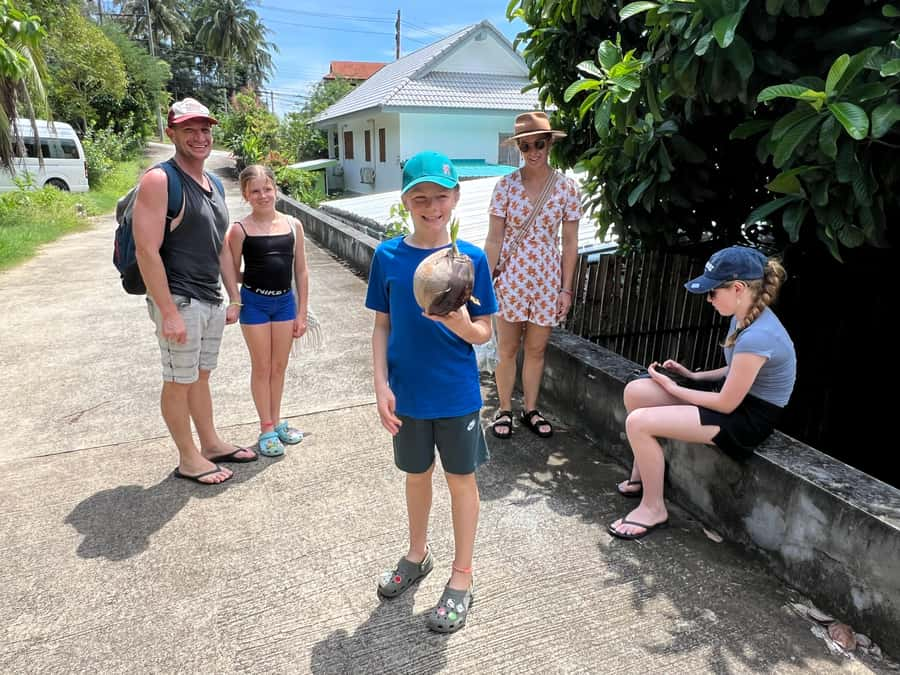
At $112 per person for a roughly 8–9 hour day, the value is less about ticking boxes and more about getting a lot of paid experiences bundled together. You’re paying for hotel pickup/drop-off (in select areas), a driver-guide in English, market time, street food tastings, and both lunch and dinner. On top of that, you get a Thai cooking class plus ingredients, an apron, and a recipe book.
Where it gets practical is the cost of a cooking class alone can be a major chunk of your budget on Phuket. Here, the class is paired with food touring and meal-heavy eating, so your money goes further.
A few limits to plan around:
- Alcoholic drinks aren’t included.
- Hotel pickup isn’t offered for every beach area. Pickup is listed for Patong, Kata, Karon, Phuket Town, Chalong Bay, and Rawai Bay.
- You’ll be transported by car or van depending on group size, so expect normal road time.
Rang Hill and Phuket city viewpoints with monkeys overhead
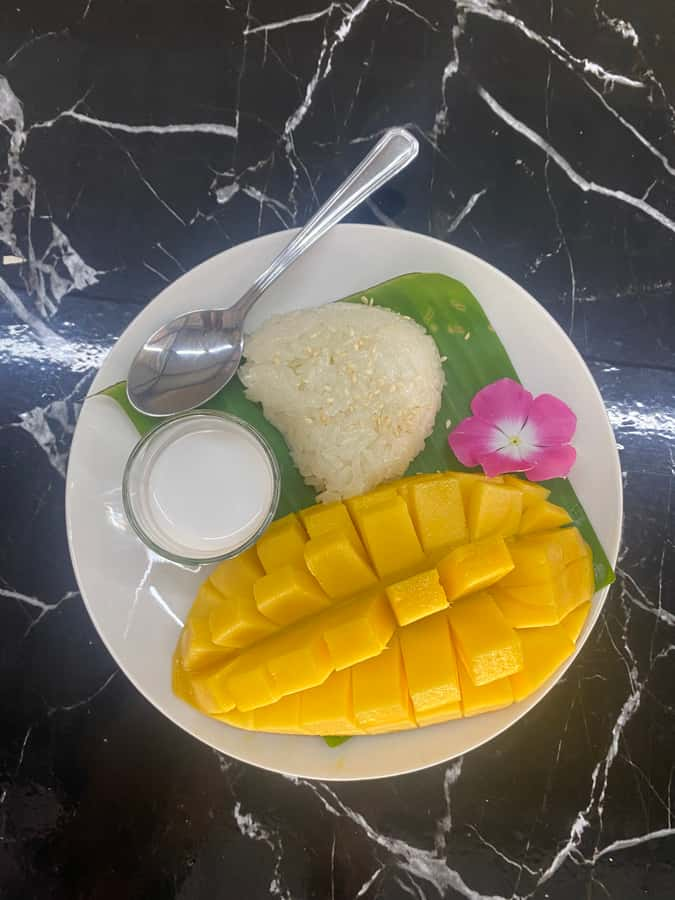
Rang Hill is your first taste of Phuket’s “up high” side. It’s a quick, rewarding stop where you can get the feel of the island’s layout—then refocus on the city’s texture as you head into older neighborhoods.
The highlight here is the viewpoint, paired with a wide monkey presence. That sounds simple, but it affects how you move. Keep your camera ready, watch your step, and don’t get too close if monkeys approach. If you’re holding food or open snacks, keep them secured—this is peak temptation territory.
This stop also does something smart for the rest of the day: it helps you orient before the old town and temple visits. You’ll remember where things sit on the map because you saw the spread first.
Phuket old town’s Chino-Portuguese streets: walking history without the museum vibe
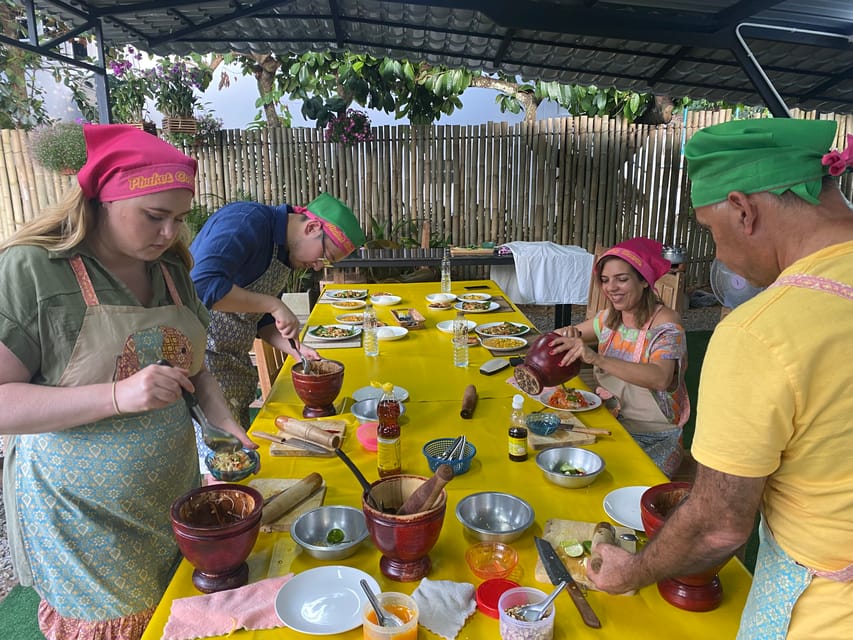
Old town Phuket can feel like a photo stop. This route makes it more useful by emphasizing the historical architecture of the Chino-Portuguese buildings. You’re looking for the details: the shapes, colors, and street-level character that show how Phuket grew through trade and settlement.
The benefit for you is simple. When you see the buildings after a viewpoint, the streets suddenly make sense. It’s not just “pretty facades.” It’s a living neighborhood that explains why Phuket looks the way it does today.
And it’s not overly heavy on logistics. You get time to walk and take in the area, which is what you want in old town. If you hate rushing through streets, you’ll appreciate the pacing.
Arm Jui Tui Chinese temple: watching real daily life, not a performance
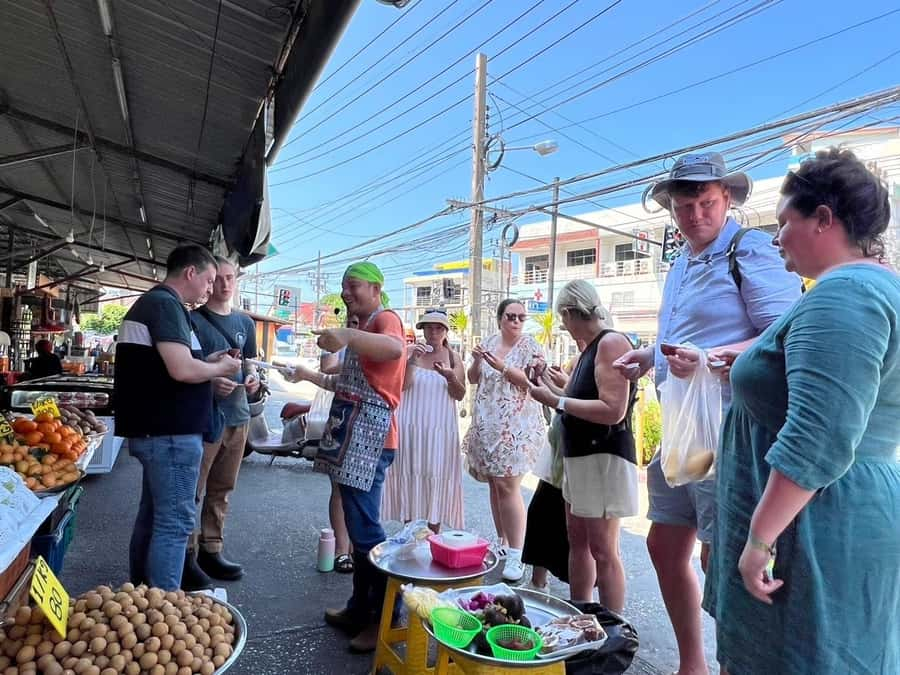
From architecture to ritual, the day moves to Arm Jui Tui Chinese temple. This isn’t just about looking at a structure. It’s about seeing how people use the space in their everyday rhythm—what they bring, how they move, and the respectful behavior you’re expected to mirror.
This is also where the dress code matters. The tour notes you must wear polite dress for cultural and religion attractions. That means covering appropriately so you can enter comfortably without feeling like you’re doing “tourist cosplay.” If you show up in too-short or too-revealing clothes, you can lose time at the start.
The payoff is that it feels grounded. You’re not only learning facts—you’re watching place-based culture in action.
Street food tasting: how to eat like Phuket locals for the whole palate
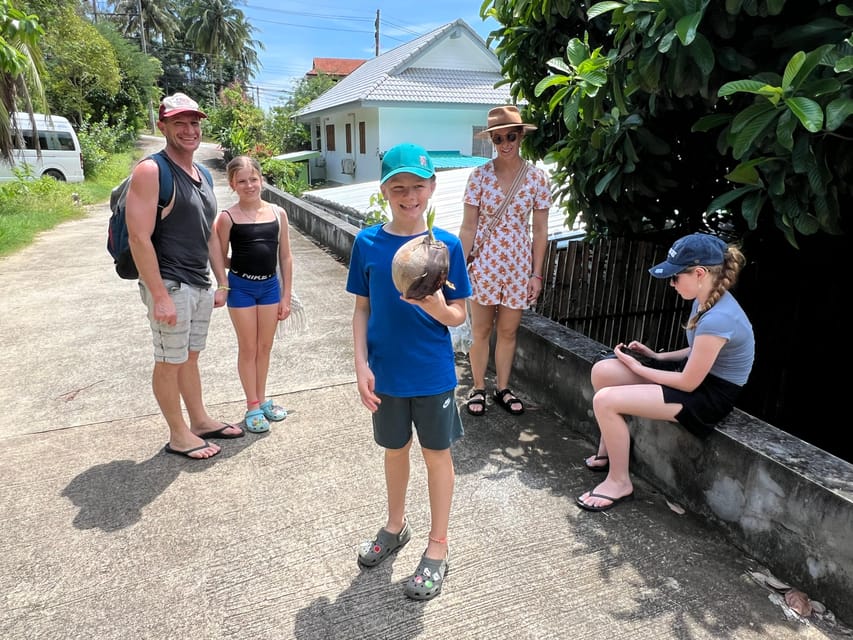
Now the day turns into a food crawl, but with structure. You’ll hit local Thai street food of Phuket, with chances to try Phuket desserts, Phuket snacks, and local dishes that are common to locals—not just tourist “Thai food” traps.
This portion is valuable because it teaches your taste buds how Phuket seasons its world. You’re not just eating a single dish. You’re sampling multiple styles so you can recognize what you like when you see it later on your own.
One practical thing I really like: the tour includes lunch at a famous local Thai restaurant (not a tourist restaurant). That’s a big difference in Thailand. Tourist spots often cook for convenience and uniformity. Local places tend to be more flexible with flavors and more comfortable serving foods that might be spicy, tangy, or confidently seasoned.
Chalong Buddhist temple: the respectful pause in an otherwise food-heavy day
After lunch, you get a more spiritual stop at Chalong Buddhist temple, described as a historical temple. This matters because it slows your pace. Food days can turn into a sugar-and-transport cycle if there’s no break.
Temples also reframe what you’re eating. Thai cuisine isn’t separate from Thai culture. It’s part of how people share, celebrate, and feed each other—sometimes in daily routines, sometimes in ceremonies.
If you’re visiting in hot weather, pace yourself. Drink the provided mineral water, and don’t try to “keep up” with fast walkers in your group. You’ll get better photos if you’re not rushing.
Big Buddha park: your panoramic reward for staying in the day
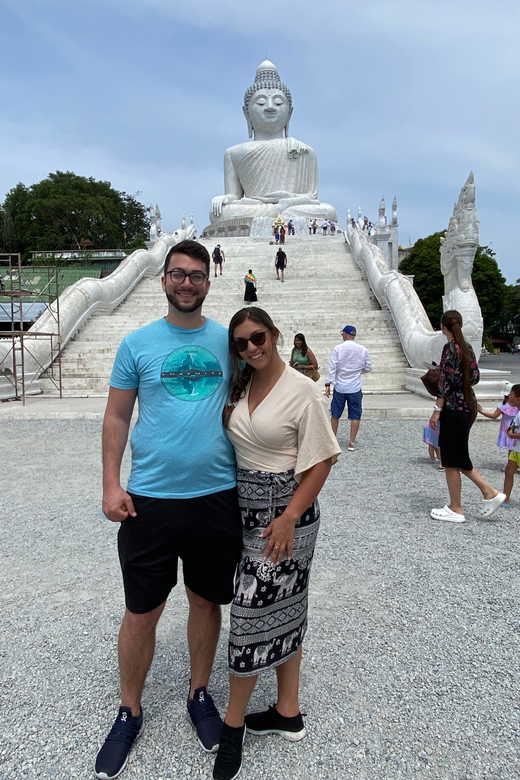
Then comes one of Phuket’s most recognizable lookouts: Big Buddha in the Buddhist park, noted as the highest lookout viewpoint in Phuket. This stop is the visual reward after long hours of driving and walking.
From a practical standpoint, the viewpoint gives you a final mental map of the island. You’ll connect the city streets you saw earlier with the coastline shape you’re now seeing from above.
Also, viewpoints are great “reset points” for food tours. After temples and meals, it’s good to step back and look outward. Your brain gets a break, and your photos look better when you’re not constantly in close-up crowds.
Local market shopping: buying ingredients for the class
Toward the end of the day, you’ll visit a local market to buy ingredients for dinner. This is more than a quick browse. It’s the step that makes the cooking class feel real, not abstract.
When you select ingredients yourself (or at least watch the process closely), you learn what flavors and textures actually come from. You also understand the logic behind Thai cooking—how fresh herbs, pastes, and spices connect to what you tasted earlier in the day.
A tip that’s supported by what the tour requests: bring cash. Even if the class includes ingredients, markets can be where extra snacks or small add-ons happen, and cash is often the smoothest option.
Thai cooking class: learn 3 dishes from a rotating set
The cooking class is the heart of the day, and it’s where the “best souvenir” idea becomes true. You’re not buying a magnet. You’re taking home a skill—how to make Thai dishes that match what you sampled earlier.
You’ll learn 3 Thai dishes from 4 menus of daily cooking, which means the exact dishes can vary by the day. That flexibility is actually good for you, because it keeps the class fresh and lets the kitchen adjust based on ingredients and schedule.
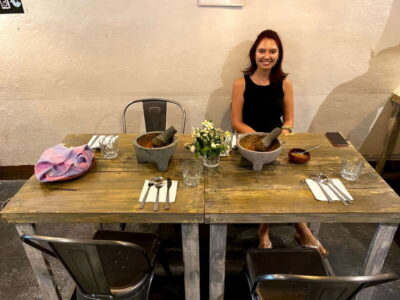
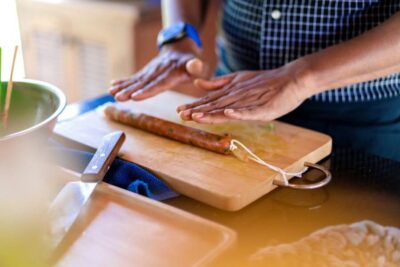
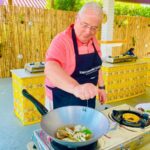
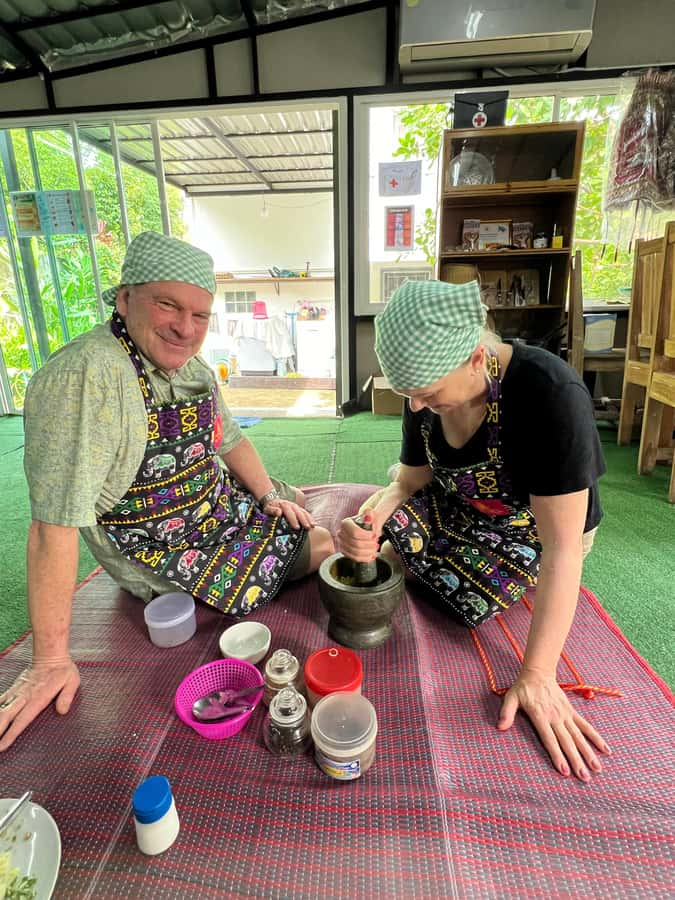
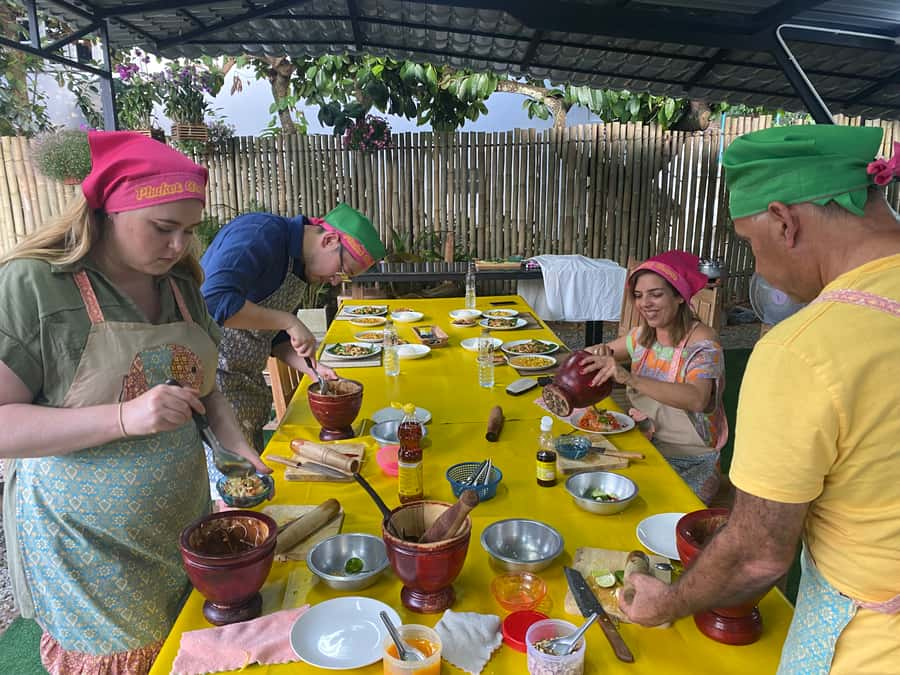
The class experience is hands-on. You’ll cook your own dinner, then enjoy a heavy meal afterward—perfect after a day of tastings and walking. If you like food with strong flavor and balance, this is where you’ll feel confident about repeating recipes back home.
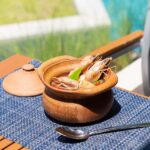
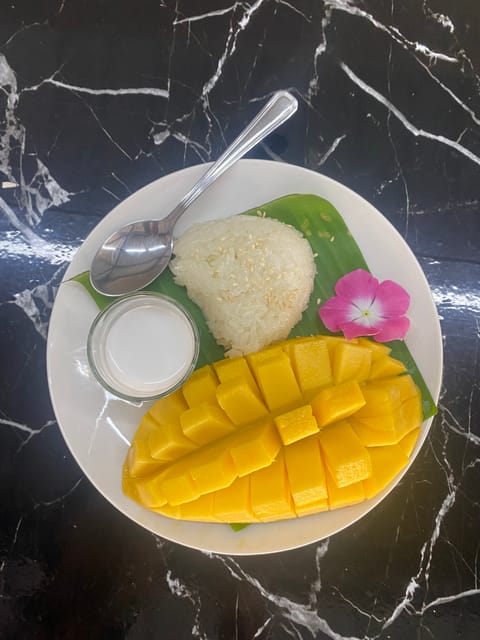
One detail worth calling out from the day’s feedback: the best papaya salad and the moorish fried banana were singled out as favorites. So if you’re curious about Thai classics (sweet, tangy, crunchy, and a little playful), there’s a good chance you’ll get at least one memorable dish style in your set.
And the people matter. Woddy is described as welcoming and chatty, and that really helps when you’re learning something technical. Mr Jay, the English-speaking driver, also plays a role in how comfortable the day feels, especially during van rides when you can ask questions and learn how locals talk about food and daily life.
What to bring and how to dress for temples and street food
This tour gives you a lot, but you still need to show up ready.
Bring:
- A camera
- Cash
Wear:
- Polite, respectful clothing for temples and cultural stops
- Comfortable shoes for walking in old town and temple areas
You’ll likely sweat. So keep hydration in mind. The tour includes drinking water, plus some local snack and street food, but don’t assume you’ll be fully stocked.
Also, note that it’s not set up for everyone. The tour is not suitable for pregnant women at 7 months up, and it isn’t suitable for babies under 1 year.
Small-group pacing: why max 10 feels worth it
A small group limited to 10 participants is one of the best reasons to choose this tour. More people often means less time at each stop, more waiting, and less chance for your guide to answer questions.
Here, you’ll spend a lot of the day with the same people on the road, which helps. You can ask about flavors as you move from viewpoint to old town to food. And at the cooking class, smaller groups usually mean more hands-on attention at the stove.
Who this Phuket tour is for (and who should skip it)
This is a strong fit if you want:
- Hands-on Thai cooking as the main goal, not an optional add-on
- A full day that mixes food with culture and scenery
- English speaking support from the driver-guide
- A guided way to eat street food without guessing what’s safe or worth it
You might skip it if:
- You prefer a low-walking, beach-only schedule
- You don’t like cultural or religious sites with dress expectations
- You’re looking for a “shopping-focused” day (shopping isn’t included)
If you’re traveling with limited time in Phuket, this one-day format is also efficient. You get viewpoints, old town architecture, temple visits, street food, and cooking skills all in one run.
Should you book this Phuket foodie tour + Thai cooking class?
I think this is worth booking if you care about food beyond the obvious. The day’s structure matters: you taste first, then you learn the method behind those flavors at the market and stove. That’s how you turn Phuket into something you can actually repeat at home.
Book it if you want a local-life feel—old town streets, temple daily culture, and non-tourist lunch—and you’re comfortable spending a full 8–9 hours moving around. If you want a short hop-and-photo tour, or you want a day with lots of free time and low structure, this may feel packed.
If you do go, bring respectful clothing and cash, wear comfy shoes, and go hungry. The best souvenir here is the skill you’ll take home, and the dinner you cook is the proof.
FAQ
What time does the Phuket tour run?
It runs for about 8–9 hours, starting at 09:30 and finishing around 19:00.
How big is the group?
The tour is a small group limited to 10 participants.
What’s included in the price?
Hotel pickup and drop-off (in listed areas), a local market tour, local street food, mineral water, an apron, a Thai food recipe book, ingredients for cooking, the Thai cooking class, lunch and dinner, seasoning fruit/snacks, and accident insurance.
Where do you get picked up in Phuket?
Pickup is included for Patong beach, Kata beach, Karon beach, Phuket town, Chalong bay, and Rawai bay.
Where is pickup not included?
Pickup is not included for Kamala, Bangtao, Mai Khao, Nayang, Naiton, and Thalnang area.
What dishes do you learn in the cooking class?
You learn 3 Thai dishes selected from 4 daily cooking menus.
Is alcohol included?
No. Alcoholic drinks are not included.
Do I need to dress a certain way for temple visits?
Yes. You must wear polite dress for cultural and religion attractions.
Is this tour suitable for pregnant women or infants?
It is not suitable for pregnant women at 7 months up. Babies under 1 year are not suitable.
Do I need to bring cash?
The tour asks you to bring cash, along with a camera.