REVIEW · EL PAREDON
El Paredón: Traditional Cooking Class with a Local Family
Book on GetYourGuide →Operated by Guatemala Travel Guide · Bookable on GetYourGuide
Cooking with a local family beats any restaurant. In El Paredón (Escuintla, Guatemala), I love the hands-on tortilla making with Aura and Adelso and I love the shared meal you eat together right after cooking. It is a simple experience on paper, but the setup makes it feel real.
The main thing to consider is language. Instruction is in Spanish, and there is no English translator, so you’ll want patience and a willingness to communicate with gestures and a few key food words.
In This Review
- Key highlights at a glance
- El Paredón home cooking: what the 90 minutes really includes
- Meeting Aura and Adelso: welcome in the center of town
- Tortillas from scratch: the technique you’ll actually remember
- Empanadas: shaping, timing, and getting the filling right
- The traditional salad: the balancing act most classes skip
- Eat together: conversation that turns food into culture
- Price and value: is $58 per person worth it?
- Spanish-only by design: how to feel comfortable anyway
- Logistics that actually matter: meeting point, transport, timing
- Who should book this cooking class (and who should skip it)
- Should you book El Paredón’s Traditional Cooking Class?
- FAQ
- What dishes will I learn to make?
- Is there an English translator?
- How long is the cooking class?
- Where do I meet for the class?
- Is transport included?
- Is the experience wheelchair accessible?
- Can I cancel for a full refund?
Key highlights at a glance
From-scratch Guatemalan basics: corn tortillas and empanadas, made the traditional way.
Aura and Adelso’s family home: you cook in the heart of El Paredón instead of a classroom setting.
Traditional techniques passed down: you’re taught by people who grew up using these methods.
A shared meal, not just a demo: you sit down together and eat what you helped make.
90 minutes that move: you’ll chop, mix, shape, cook, and then enjoy the result.
El Paredón home cooking: what the 90 minutes really includes
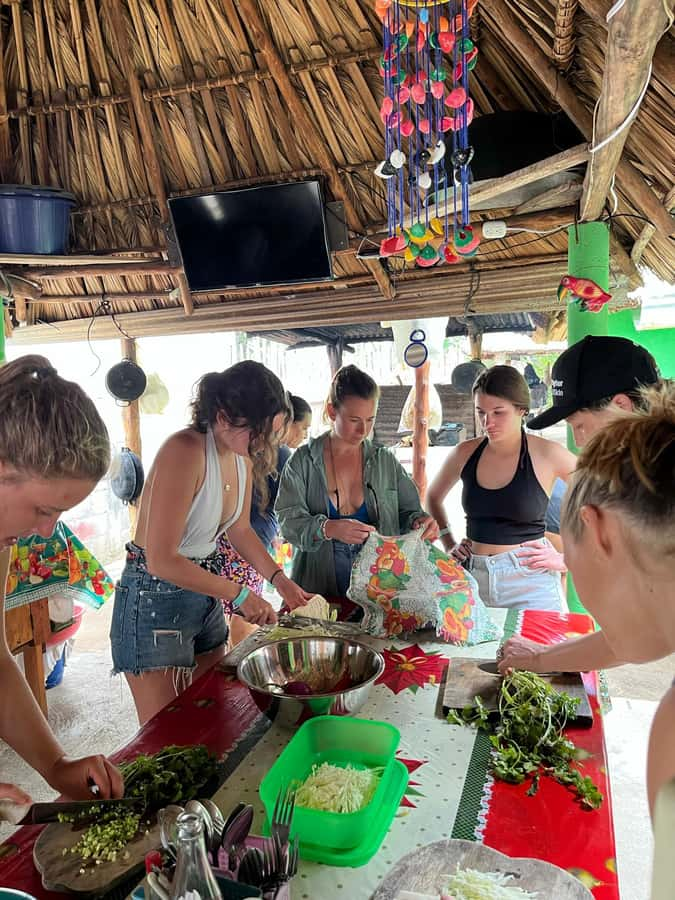
This is a 90-minute cooking class in the family home in El Paredón, starting in the early afternoon. You arrive at 1:30 PM, get a warm welcome, and then jump straight into food prep—no long lecture, no waiting around for something to happen.
Your menu is focused and specific: Guatemalan corn tortillas, empanadas, and a traditional Guatemalan salad. The value here is not only what you learn, but how quickly you practice it. You’re cutting, mixing, and shaping alongside the hosts, so the skills stick better than if you just watch.
It’s also a private group experience, so the pace stays comfortable. You can ask questions while you cook, and you’ll likely get answers in plain, practical terms—how they source ingredients, how they think about meals, and what matters day to day.
Meeting Aura and Adelso: welcome in the center of town
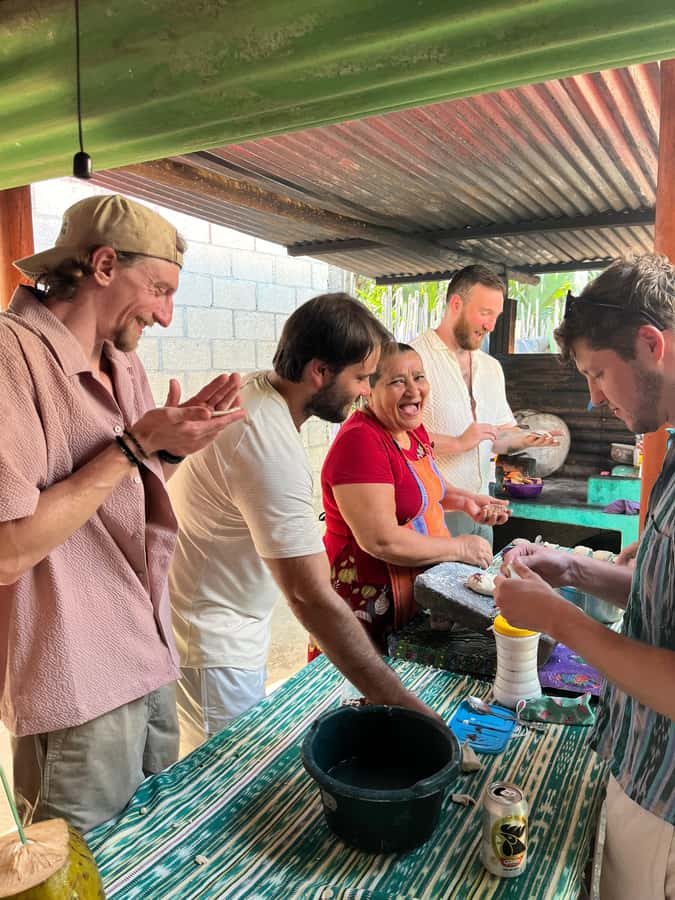
The class starts and ends at the family’s home, which keeps the experience grounded. You meet near Hotel Ola Beach House in El Paredón—walk about 100 meters west—and then ask outside the house of Aura and Adelso.
That first moment matters. The hosts introduce their lifestyle and local traditions before you cook, so you quickly understand this isn’t a staged performance. You’ll have a chance to ask about their daily routine, the local area, and their culinary traditions as you prepare ingredients.
A couple practical notes so you’re not scrambling:
- Transport is not included, so plan how you’ll get there and back.
- The experience is wheelchair accessible, which is great for planning your day.
- Alcohol and drugs are not allowed, which keeps the class focused and family-friendly.
And since the instructor and communication are in Spanish, you’ll get the most out of it by going in with a curious mindset rather than expecting full English explanations.
Tortillas from scratch: the technique you’ll actually remember
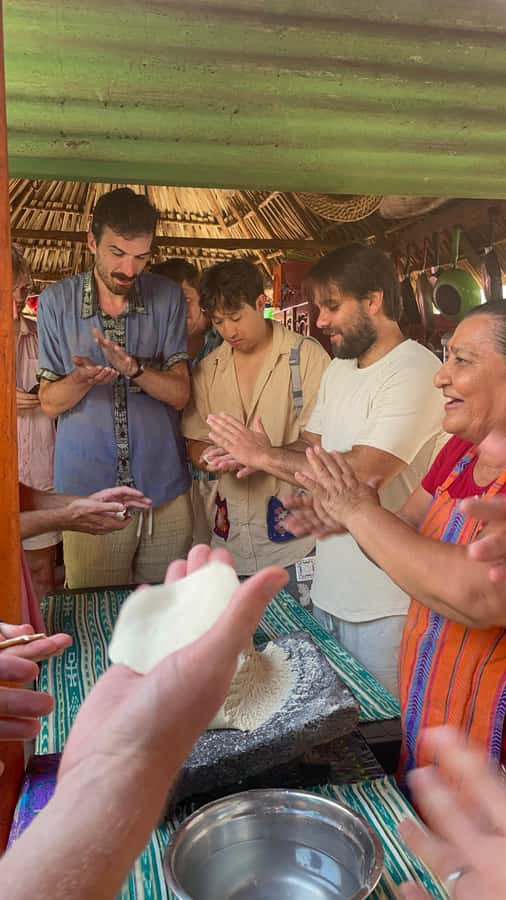
The highlight of the class for most people is the tortilla portion, because it’s the foundation of so much Guatemalan cooking. You learn to make corn tortillas from scratch, with step-by-step guidance from the family.
Even if you’ve had tortillas before, making them yourself is different. The texture, thickness, and feel of the dough matter. The hosts guide you through the process using traditional methods passed down through generations—this is the part where you start learning why certain techniques exist, not just what to do.
In a class like this, I like that the learning is tactile. Instead of only memorizing instructions, you get repeated practice: handling ingredients, working the dough, and shaping tortillas until you understand the rhythm.
What you’ll likely take home:
- A clearer sense of how corn-based dough should feel as you work it
- Confidence that you can reproduce the basics later
- Respect for the time and craft involved in simple food
And yes, you’ll probably be hungry by the time the tortillas come out. That’s a good sign.
Empanadas: shaping, timing, and getting the filling right
Next comes empanadas—another classic, and a natural follow-up after learning tortillas. This is the moment when your tortilla skill turns into something you can eat immediately.
You prepare the empanadas from scratch, guided by the hosts as they teach traditional techniques. You’ll be chopping, slicing, and mixing as needed, and you’ll learn how the family approaches filling and assembly.
What makes this section especially valuable is that you see how the parts connect. You’re not just learning two separate recipes. You’re learning a workflow:
- tortillas as the base
- filling as the heart
- shaping as the structure
- cooking as the final test
You also get the chance to ask questions while your hands are busy. That is when language barriers feel less intense. A host can demonstrate, correct your technique, or show what they mean without needing perfect English.
If you want one reason to pick this class over a more formal cooking demo, it’s this: you become part of the process.
The traditional salad: the balancing act most classes skip
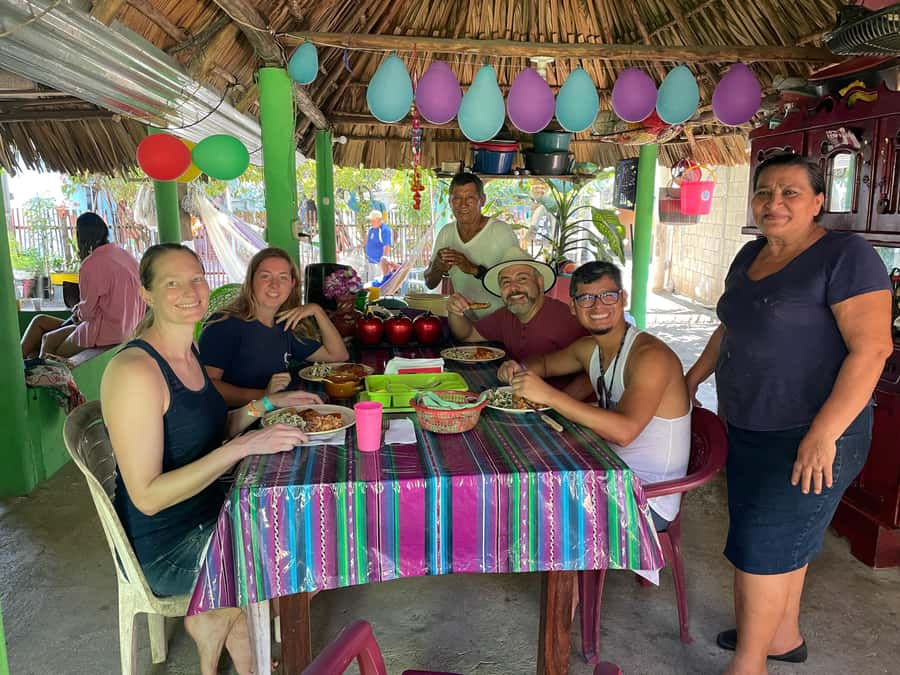
The class includes a traditional Guatemalan salad alongside your tortillas and empanadas. This isn’t just a token side—it’s an important counterpoint to corn dough and fried or cooked fillings.
Because the salad is part of the main session, you learn that Guatemalan meals often balance flavors and textures with fresh ingredients. The hosts guide you through it as part of the overall meal, which makes it easier to understand how locals think about eating, not just cooking.
In practical terms, this also helps your palate. After handling dough and shaping empanadas, a lighter salad helps everything feel more complete. And if you’re hoping to recreate the meal later, having the salad recipe in your toolkit makes it feel like an actual Guatemalan table, not a plate of random items.
Eat together: conversation that turns food into culture
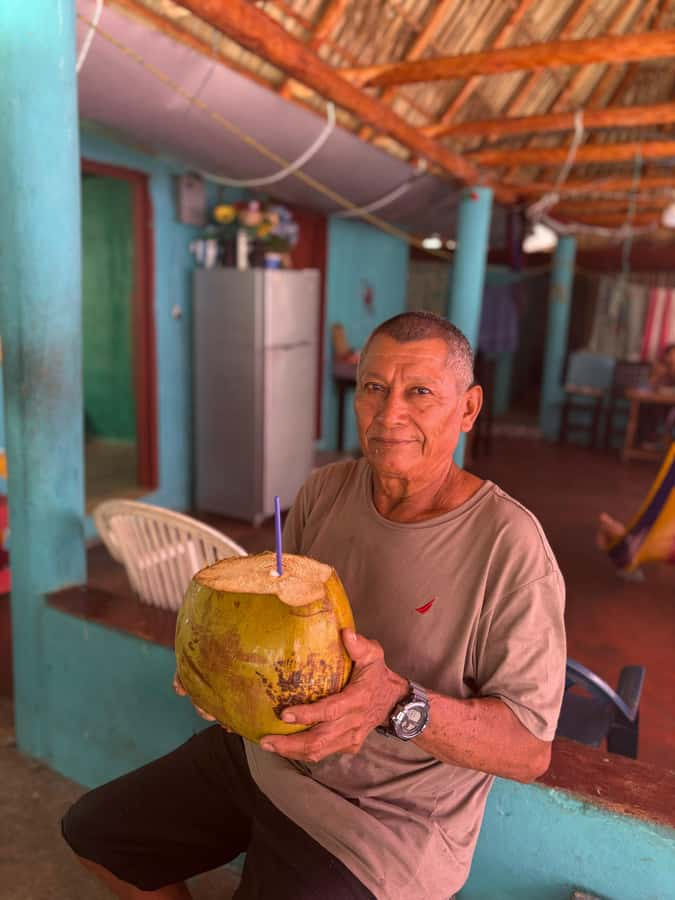
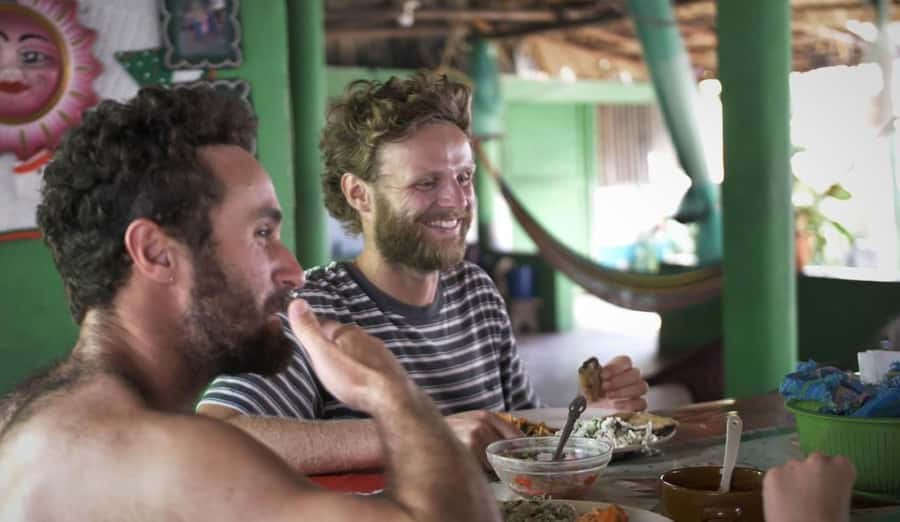
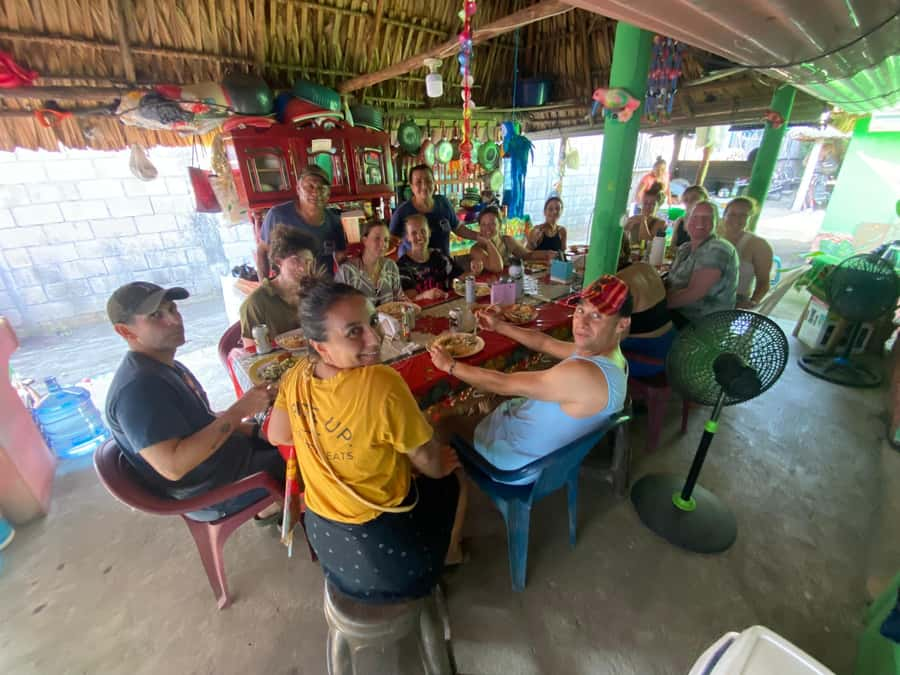
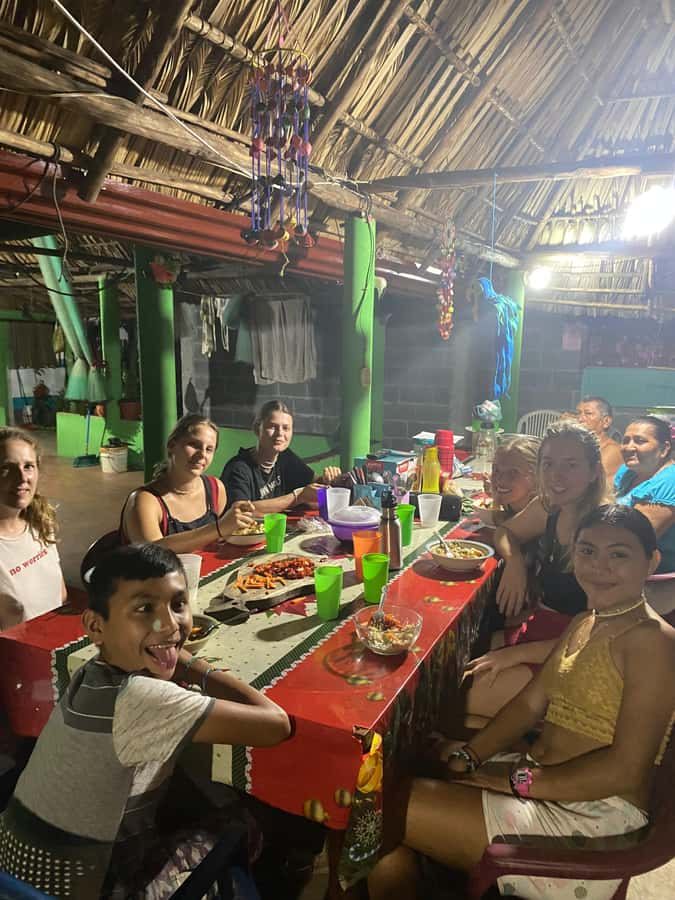
Once everything is prepared, you sit down together with the family to enjoy the meal you created. This shared part is where the cultural learning becomes real, because you’re no longer focused on tasks. You’re eating, chatting, and connecting.
The hosts include you in their daily routines and cultural practices through conversation. You can ask questions about where they live, what matters locally, and how food fits into their life beyond the cooking session.
A detail worth noting: one guest named Jean-Christophe (Canada) described the class and family as lovely and called it a must in town. Another guest from Switzerland highlighted how welcoming and smiling the hosts were, and how comfortable they made people feel—plus they praised the meal as delicious. Even if you don’t measure experiences by reviews, those comments line up with what this format is designed to do: teach skills and also make you part of the moment.
So the payoff isn’t only edible. It’s the feeling of being treated like a short-term friend, not a paid spectator.
Price and value: is $58 per person worth it?
$58 per person is not a bargain-basement activity. But it also isn’t an inflated restaurant-style price tag. In my view, it’s fair when you look at what’s included: a warm welcome, a guided hands-on cooking session, teaching for multiple dishes, and then a shared meal.
You’re paying for several things that don’t show up on a simple menu:
- access to a local family home in the heart of El Paredón
- instruction in traditional techniques passed down over generations
- hands-on practice with tortillas and empanadas from scratch
- the experience of eating together, not just receiving a to-go plate
Also, because it’s a private group, you’re not diluted among strangers. That usually means more attention during shaping and cooking steps—exactly where you need it.
What would make it feel like a bad deal? If you expect English instruction, transport, or an all-day tour with extra stops. This experience is focused: 90 minutes, Spanish-led, no transport, no dessert included.
If that matches your style—hands-on food + real conversation—you’ll likely feel like the price buys more than food. It buys access.
Spanish-only by design: how to feel comfortable anyway
Because the instruction is in Spanish and there is no English translator, you’ll want a plan. Not a dramatic one. Just smart prep.
Here’s how to make it work:
- Bring a positive attitude and accept that you may not catch every word.
- Watch hands more than mouths. Most of the key instruction is visual and practical.
- Be ready with simple questions. Even a basic, slow question often gets you the explanation you need.
The hosts are there to guide you step by step. And since you’re cooking together, communication is built into the activity. When you’re unsure, you can ask what to do next, show a technique you’re trying, or request a demonstration again.
If you hate language uncertainty, this class may feel stressful. If you like learning through doing, you’ll probably find it charming and energizing.
Logistics that actually matter: meeting point, transport, timing
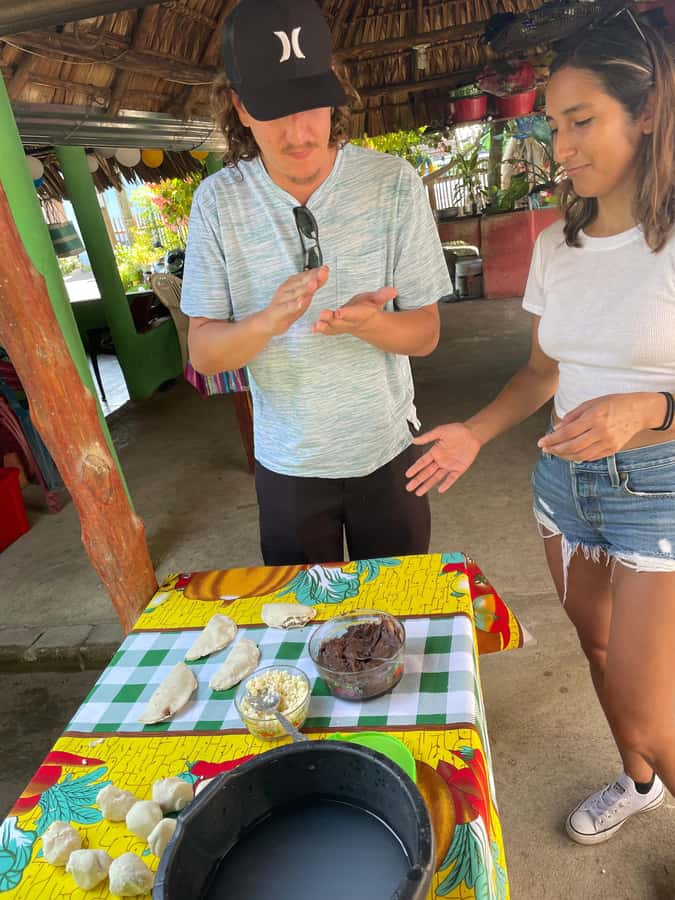
Your meeting point is clearly defined: start at Hotel Ola Beach House and walk 100 meters west. Then ask outside Aura and Adelso’s house for your cooking class.
Transport is not included, so you’ll need to handle getting there. Since the class starts at 1:30 PM, give yourself some buffer time for walking and finding the exact doorway—El Paredón is likely straightforward, but small delays happen.
Dress comfortably. You’ll be doing prep work and moving around a home kitchen. Comfortable shoes are a safe move. Bring a basic appetite, because after shaping tortillas and empanadas, you’ll want to eat right away.
And one rule to keep in mind: alcohol and drugs are not allowed, so keep your day focused and clear.
Who should book this cooking class (and who should skip it)
This experience is a great fit if you:
- want hands-on learning of Guatemalan corn tortillas and empanadas
- enjoy cooking with real people instead of watching from the sidelines
- like culture that comes through daily life and food conversation
- want a short, high-value activity in El Paredón
It may not be the best fit if you:
- need an English translator to follow instructions step by step
- want a big multi-stop itinerary with lots of sightseeing
- expect dessert or added meal courses beyond what’s included
It’s also well suited for a private group setup—friends, couples, or small parties who want more attention and a calmer pace.
Should you book El Paredón’s Traditional Cooking Class?
I’d book it if your top priority is learning real technique and sharing a meal in a local home. The menu is clear, the timing is tight, and the structure is built around practice: prep, cook, and eat together. That’s what makes it feel worth your time.
Skip it if you’re looking for English instruction, extra transportation help, or a relaxed full-day tour. This is a focused cooking session, and you get the best results when you lean into that.
If you can handle Spanish instruction without a translator—and you’re excited to make tortillas and empanadas from scratch—this class is one of the most practical ways to experience El Paredón beyond the beach.
FAQ
What dishes will I learn to make?
You’ll learn to make Guatemalan corn tortillas, empanadas from scratch, and a traditional Guatemalan salad.
Is there an English translator?
No. The class instructor is Spanish, and an English translator is not included.
How long is the cooking class?
The duration is 90 minutes, starting at 1:30 PM.
Where do I meet for the class?
Meet at Hotel Ola Beach House (El Paredón), then walk about 100 meters west. Ask outside Aura and Adelso’s house for the cooking class.
Is transport included?
No. Transport is not included.
Is the experience wheelchair accessible?
Yes. The experience is listed as wheelchair accessible.
Can I cancel for a full refund?
Yes. You can cancel up to 24 hours in advance for a full refund.