REVIEW · AGRA
Cooking class with taj
Book on GetYourGuide →Operated by Explore taj · Bookable on GetYourGuide
A kitchen lesson with henna and sari styling. For about $5 in Agra-area Uttar Pradesh, you get masala tea and a family-style vegetarian cooking session that goes beyond recipes. One thing to keep in mind: on some days the cooking can be more watch-and-assist than fully hands-on.
I like that it is built around a real kitchen routine—ingredients explained, simple Indian techniques shown, then you get to try. The small group size (up to 10) makes it feel less like a class and more like being hosted.
You’ll also fit in culture lessons: henna basics and how to wear a sari, plus you eat a veg meal made the same way you learned. That blend is the whole point here.
In This Review
- Key highlights at a glance
- A 3-hour vegetarian cooking class built around a real kitchen
- Arrival Rituals: masala tea, welcome, and what they teach first
- Henna basics and sari how-to: more than photos
- Cooking time: what you’ll do in the kitchen (and what to expect)
- Veg meal and masala tea: you eat what you learn
- Price and logistics: great value, but check the fine print
- Who this is best for (and who should skip it)
- Practical tips before you go
- What the experience feels like in real life
- Should you book this cooking class with Taj?
- FAQ
- Where is the cooking class located?
- How long is the experience?
- How much does it cost?
- Is the food vegetarian?
- What drinks are included?
- Do you learn henna and sari styling?
- Is the class taught in English?
- How big is the group?
- Is pickup included?
- Is it suitable for kids?
Key highlights at a glance

- Masala tea welcome plus a meal that matches what you cook
- Henna and sari guidance so you leave with more than recipes
- Vegetarian-only cooking with hygiene-focused kitchen time
- English-speaking instructor in a group capped at 10
- Guests cook too (so you do not just sit and watch)
A 3-hour vegetarian cooking class built around a real kitchen
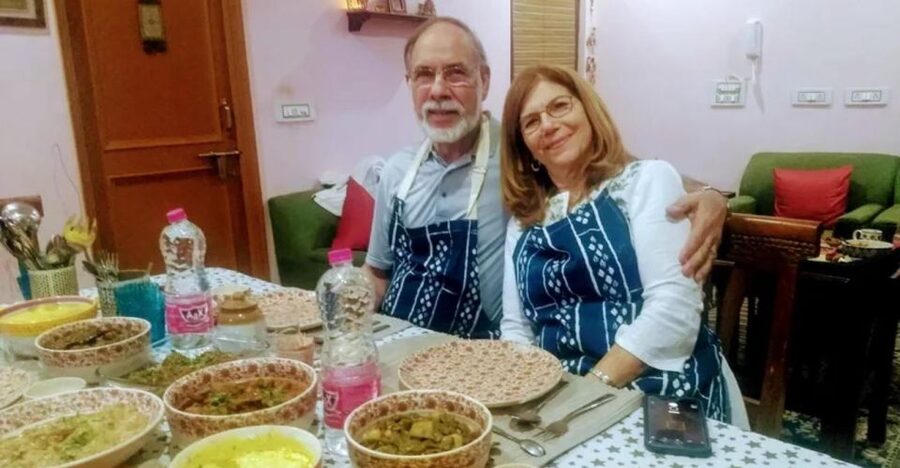
This is a short cooking class—3 hours in Uttar Pradesh—that focuses on vegetarian food and Indian home-kitchen habits. The setting is intimate and practical: you are in the kitchen while someone talks you through what you are using and why.
Value is a big part of the appeal. At around $5 per person, you are buying the experience of learning and eating, not a fancy restaurant show. Just expect a simple, family-run format rather than a staged demo.
Also, this is English-taught. If you do not speak local languages, you can still follow along, ask questions, and understand the steps without guessing.
You can also read our reviews of more tours and experiences in Agra.

Arrival Rituals: masala tea, welcome, and what they teach first

Most classes start with ingredients; this one often starts with you. You are welcomed with Indian masala tea, served before anything serious happens in the pan. It is a nice way to settle in, especially if you are traveling and just want your bearings.
Then the host explains the food and the cooking approach in their kitchen. You’ll cover what goes into the dishes and how spices behave during cooking. That might sound basic, but it is actually what makes Indian curries taste like themselves instead of just being a warm sauce.
One neat bonus: there are also culture lessons right alongside the food—henna and sari instructions. In other words, you are not only learning how to cook; you are learning how people present themselves and celebrate everyday rituals.
Henna basics and sari how-to: more than photos

The henna and sari segment is one of the most memorable parts of the experience. It helps that it is not treated like a museum display. You get guidance on what to do and how to wear a sari, and you can ask questions while it is happening.
This matters because it turns a tourist activity into something interactive. Even if you are not planning to wear a sari back home, the method makes sense—folds, placement, and how to get the fabric to behave. You leave with a clearer mental picture, not just an image on your camera roll.
If you love crafts or cultural details, you’ll appreciate the practical side. If you mainly care about cooking, it still works because it breaks up the lesson and keeps energy up while the kitchen work is gearing up.
Cooking time: what you’ll do in the kitchen (and what to expect)
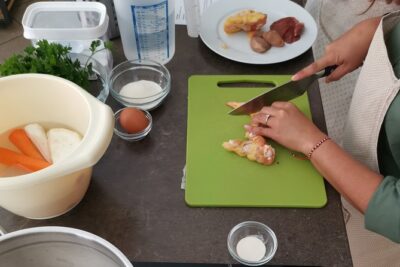
This is a veg-focused cooking session, and they explain what you need and how it comes together. You’ll see the ingredients being prepared and learn the basics of how dishes are built—spice handling, cooking order, and how flavors develop.
And yes, you can cook. The experience states that guests are allowed to cook for the hands-on part of the session. That is important because it is the difference between learning something you can repeat and learning something you forget by dinner.
That said, there is one consideration: the level of interaction may vary. Some days can feel more like watching with occasional participation; other days you may get more time at the stove. If you care strongly about being hands-on, ask the day’s host what the participation looks like before you assume you’ll do every step.
Veg meal and masala tea: you eat what you learn
The food part is straightforward in the best way. You start with masala tea, then you get a vegetarian meal that matches the cooking you just did. Even better, the tea and meal are part of the package at the same low price.
Vegetarian cooking in India is not limited to boring. If you like spices, sauces, and the idea of building flavor in layers, this format is a good fit. You’ll likely taste a curry style with the kind of seasoning that makes Indian meals feel complete—warm, spiced, and comforting.
Hygiene is specifically mentioned as a focus. In a home-kitchen setup, that reassurance matters. You still should be sensible—wash hands when you can, and treat the kitchen tools like you would at home.
Price and logistics: great value, but check the fine print
At about $5 per person, this is priced like a budget-friendly experience. For that money, you should reasonably expect:
- a welcome masala tea
- time in the kitchen with an English-speaking instructor
- a vegetarian meal connected to the cooking
- a small group setting (up to 10)
The logistics are where you need to pay attention. Pickup/drop information is listed one way in one spot and another way in another note. Pickup is shown as included from hotels on Taj Link Road, but a separate note says no pickup. I recommend you confirm pickup details during booking messages so you are not standing around wondering.
Alcohol is another thing to confirm. The general included items mention tea, vegetables, and the meal, while one note says beer might be available if you want. If you care about that, ask directly what is actually offered during your session.
One more detail: skip-the-ticket-line is listed as part of the booking benefits. This cooking class info does not spell out a Taj Mahal visit plan, so treat it as a potential add-on. If that matters to you, ask what site that benefit is tied to for your specific date.
Who this is best for (and who should skip it)
This fits travelers who want a real, local-style experience without spending a fortune. If you’re into Indian food, spice basics, and cultural add-ons like henna and sari guidance, you’ll get a lot out of the combination.
It is also ideal if you like small groups. Up to 10 participants means you have a chance to ask questions instead of being lost in the crowd.
It is not suitable for children under 10. If you are traveling with younger kids, look for a different option.
If you hate any chance of standing, tie a comfortable plan into your day. You will be in and around a working kitchen, plus you might watch the sari or henna segment up close—so comfortable shoes are more than a polite suggestion.
Practical tips before you go
Here’s how to make this class easier on you:
- Bring comfortable shoes (you’ll be standing and moving around the kitchen area).
- Bring a camera if you want to capture the sari and henna segment.
- Go in hungry. You’ll welcome with tea and then eat.
- If you want more hands-on cooking, ask early how much participation each guest typically gets.
Also, keep your expectations realistic. This is not a culinary school with degrees and lab gear. It is a family-run lesson that values sharing, taste, and conversation.
What the experience feels like in real life
When it works well, this class feels like being invited into someone’s evening routine. The host welcomes you, explains food calmly, and keeps things moving so you get both learning and dinner.
The best part is that you do not leave with just theory. You eat food that you helped make or at least worked through with the instructions, so the learning sticks.
The cultural add-ons are also not tacked on. Henna and sari guidance give you context for how everyday traditions show up in daily life. Even if you only understand pieces, you leave with something tangible you can remember.
Should you book this cooking class with Taj?
Book it if you want a low-cost, vegetarian-focused cooking lesson that also includes henna and sari guidance—and you are happy with a family-kitchen style experience. The price-to-value ratio is strong, and the small group format helps you actually understand what’s going on.
Consider skipping (or asking extra questions first) if you need guaranteed hands-on cooking time. Interaction can vary, so confirm what participation looks like for your day.
Also, double-check pickup/drop details and any drink expectations before you go. With those confirmations done, this can be a memorable, very human way to spend a few hours in Uttar Pradesh.
FAQ
Where is the cooking class located?
It takes place in Uttar Pradesh, India.
How long is the experience?
The duration is 3 hours.
How much does it cost?
The price is listed as $5 per person.
Is the food vegetarian?
Yes. The class and meal are vegetarian, with dishes made in a veg-only kitchen setup.
What drinks are included?
Indian masala tea is included. The included items list also notes tea and vegetables used for cooking.
Do you learn henna and sari styling?
Yes. The highlights specifically mention a henna class and how to wear a sari.
Is the class taught in English?
Yes. The instructor language is English.
How big is the group?
It is a small group limited to 10 participants.
Is pickup included?
Pickup is listed as included from any hotel on Taj Link Road in the booking information. However, another note says no pickup, so it’s smart to confirm pickup details when you book.
Is it suitable for kids?
No, it is not suitable for children under 10 years old.