Cook with Tuscan aunties in real Chianti. I love how Giorgia and Gioia turn a cooking class into a warm, teach-you-every-step day, and you leave with the full recipe set in hand. The food is classic Tuscan comfort, from panzanella to handmade pasta and tiramisù.
One thing to consider: the class is in the countryside and it runs only on weekdays (Monday to Friday) in the late morning window. If your schedule is tight or you’re hoping for weekends, you’ll want to plan ahead.
In This Review
- Key highlights you’ll feel right away
- Why this Chianti farmhouse class feels like the real thing
- Meeting Giorgia and Gioia at Agriturismo Le Bonatte
- Your 3-course menu: panzanella, tagliatelle al ragù, tiramisù
- Starter: panzanella (Tuscan bread salad)
- Main: tagliatelle al ragù (fresh pasta + Tuscan meat sauce)
- Dessert: tiramisù
- The olive oil and Chianti Classico tasting that teaches
- What private really means (and why it helps your cooking)
- Timing, duration, and how to plan around it
- What you take home (beyond the food)
- Price and value: why $132.32 can make sense in Chianti
- Who this fits best (and who might want a different option)
- Should you book this Chianti cooking class?
- FAQ
- Where is the cooking class meeting point?
- How long is the cooking class?
- Is the class private?
- What will you cook during the class?
- Does the experience include tastings?
- Is the class offered in English?
Key highlights you’ll feel right away
- A private class for your group so you can ask questions while you cook
- Hands-on Tuscan menu: panzanella, tagliatelle al ragù, and tiramisù
- Organic extra virgin olive oil tasting plus Chianti Classico wine
- Teaching by Giorgia and Gioia with storytelling about the region and food
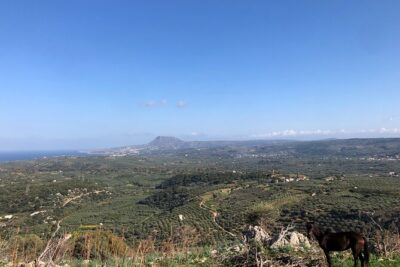
- Farmhouse atmosphere with real views, real breezes, and that slow Tuscan pace
Why this Chianti farmhouse class feels like the real thing
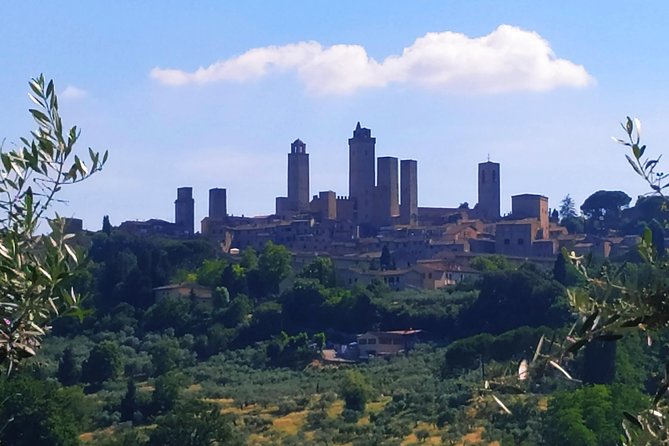
A cooking class in Tuscany can be a show. This one doesn’t act like one. You cook in a working-feeling farmhouse setting in Chianti, and the day is built around a full meal, not a quick demo.
What I like is that you’re not just learning recipes in a vacuum. You’re getting the why behind the dishes as you make them. That matters because Tuscan cooking is about simple ingredients done with care. The other big win is that you get to eat what you make during the same 3-hour block. No waiting, no detours, no mystery food you never fully understand.
There’s also a practical side. Since it’s a private class for your group, you’re not stuck trying to read a face in the room while everyone else crowds around the counter. You can move at a normal pace, and the instructors can adjust if your group has mixed experience.
You can also read our reviews of more tours and experiences in Chianti.
Meeting Giorgia and Gioia at Agriturismo Le Bonatte
The lesson starts at Agriturismo Le Bonatte, at Loc. le Bonatte, 77 in Radda in Chianti (the end point goes back to the same place). You’ll typically have a friendly arrival moment, then you jump into the menu with your instructors guiding the steps.
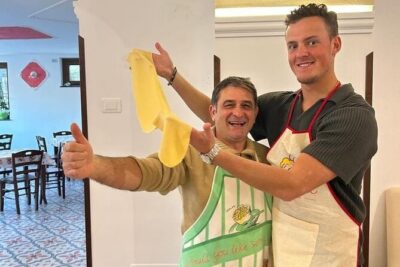
Giorgia and Gioia come across as a real team: Giorgia leads the teaching, while Gioia adds a lot of the local flavor—stories, context, and that sense that you’ve been brought into their kitchen rather than booked for a transaction. In past classes, people describe the atmosphere as turning strangers into people who are suddenly laughing together. That’s not just “nice.” It changes how much you absorb. When you feel comfortable, you ask better questions.
One more detail that shows up in the experience: you’re not treated like you’re only there to copy recipes. You’re invited to understand what makes Tuscan food Tuscan—like the balance between fresh ingredients, olive oil, and slow-simmered sauces.
Your 3-course menu: panzanella, tagliatelle al ragù, tiramisù
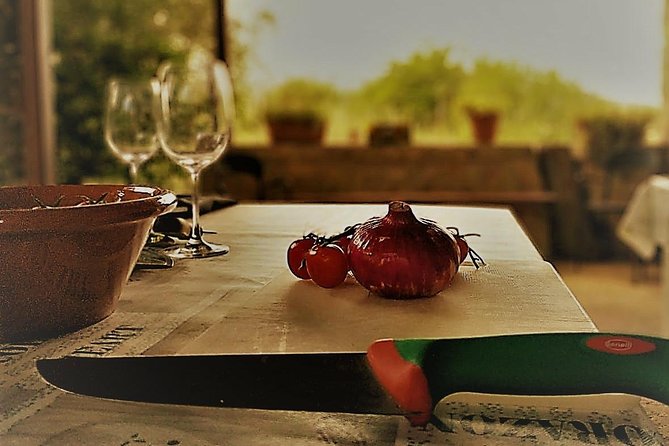
The class runs about 3 hours, and it’s structured as a full menu. You’ll make an appetizer, a main course, and dessert. Here’s how to think about each part and what you’ll actually get out of it.
Starter: panzanella (Tuscan bread salad)
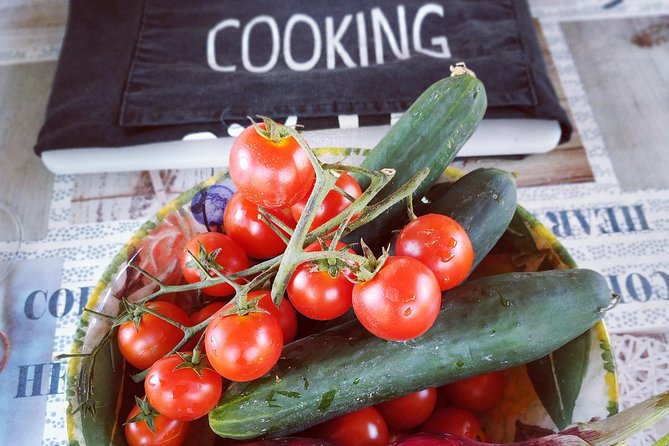
Panzanella is one of those dishes that sounds simple, then surprises you. It’s typically built around bread and fresh produce, with olive oil and flavoring that bring everything together. In this class, you’ll work on a typical Tuscan version using fresh ingredients.
Why it’s worth learning: panzanella teaches you the Tuscan idea of using good ingredients with restraint. You’re also learning how to keep textures pleasant—bread should soak up flavor but still feel appetizing, not soggy. When you make it again at home, you’ll know what to watch for.
Practical takeaway: this starter is also the easiest for beginners to succeed with because it’s more forgiving than dough-making dishes. If you’re nervous about cooking from scratch, panzanella is a good place to settle in.
Main: tagliatelle al ragù (fresh pasta + Tuscan meat sauce)
This is the centerpiece. You’ll make fresh pasta (tagliatelle style) and pair it with a Tuscan ragù—described as a meat sauce similar in style to Bolognaise.
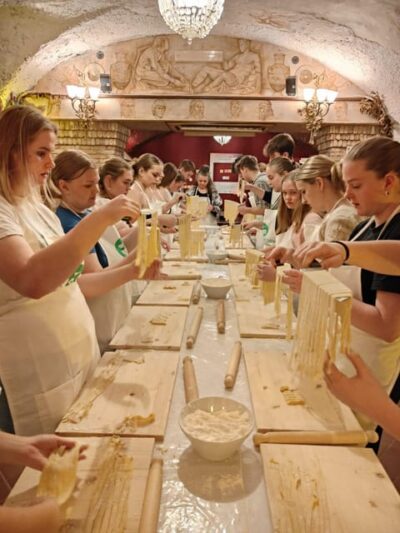
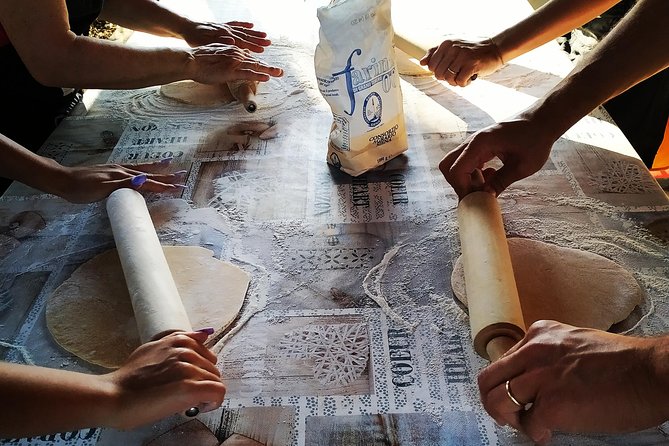
Making pasta from scratch is where the day becomes memorable. You’ll learn how the dough comes together and how the pasta gets formed, then you’ll cook it and dress it with the ragù you prepared. Even if you’ve never worked with pasta dough before, the class is designed for different skill levels. The key is that the instructor guides you step by step rather than dropping you into the deep end.
Why you’ll care later: tagliatelle + ragù is one of the most useful Italian dishes to master. When you go home, you can scale it for a weeknight meal or make it for guests. And once you understand the sauce basics, you can adapt it with ingredients you can actually find back home.
Dessert: tiramisù
Then you finish with tiramisù, a classic Italian dessert that hits the sweet spot between comfort and sophistication. You’ll learn the process for building it into a recognizable, shareable final dish.
Tiramisù has a couple of “watch-outs” in real kitchens—texture and timing matter more than people expect. The benefit of doing it in class is that you’re not guessing when to stop. You see what the mixture should look like and how the layers hold up.
When people say this class was a highlight, dessert is often part of the reason. It’s the proof-of-success course: you finish with something most people recognize and genuinely enjoy.
The olive oil and Chianti Classico tasting that teaches
This experience includes a tasting of organic extra virgin olive oil and Chianti Classico wine as part of the lesson. That might sound like a simple add-on, but in practice it changes how you cook.
Here’s what I mean: when you smell and taste olive oil properly, you start cooking with more intention. You notice bitterness, peppery notes, fruitiness—stuff that you’d normally ignore at a grocery store. Then you use that awareness when building flavor in your dishes.
Wine tasting also helps you understand local culture around meals. Chianti Classico isn’t just a drink; it’s a way to balance rich flavors like ragù with something with enough structure to stand up to food.
In one account, people also mentioned vin santo being shared from the vineyard. That may not be the only wine you’ll taste, but it matches the bigger theme: you’re not just tasting blind. You’re hearing context while you do.
What private really means (and why it helps your cooking)
This is a private tour/activity, limited to your group. That sounds like a marketing line until you cook with it in mind.
In a private setting:
- You get more time with the instructor at the counter.
- You don’t lose your place when you ask something.
- The instructor can slow down if your hands need a second.
The instructors you’ll meet—Giorgia and Gioia—are often described as turning the class into a friendly, family-like experience. I take that seriously as a practical detail. When your group feels relaxed, you’re more likely to try a step even if it feels awkward at first. Pasta dough can feel weird the first time. Having someone guide you calmly makes it click.
Also, because it’s private, the pacing can be more “normal human.” You’re cooking for the whole menu, not sprinting through a set of tasks so the next group can arrive.
Timing, duration, and how to plan around it
The activity runs Monday to Friday from 10:00 AM to 1:00 PM (with the class finishing back at the meeting point). Duration is listed at about 3 hours, so plan your day so you’re not rushing right after.
You’ll also want to think about arrival. Since it’s at Agriturismo Le Bonatte in Radda in Chianti, the countryside setting means you’ll want to buffer extra time for getting there and parking, if you’re driving. If you’re relying on public transport, you might find scheduling harder—data doesn’t mention transport options, so you should treat getting to the farmhouse as your responsibility.
One more timing note: on average, this class is booked about 60 days in advance. That’s a clue that popular dates go fast, especially if you’re traveling in peak season. If you know you want this specific menu, start checking availability early.
What you take home (beyond the food)

The big “value beyond the meal” is that you can take home authentic Italian recipes to recreate. That’s not a small thing. Lots of cooking classes end with a full plate and a vague memory of what went into it.
Here, the goal is repeatability. If you’re the kind of traveler who wants souvenirs you can use, this fits. You’re collecting a mental framework for a ragù meal, plus a tangible recipe path for panzanella and tiramisù.
Also, tasting ingredients like olive oil and wine while cooking helps the recipes stay grounded. You’ll know what you were aiming for, not just what you were doing.
Price and value: why $132.32 can make sense in Chianti
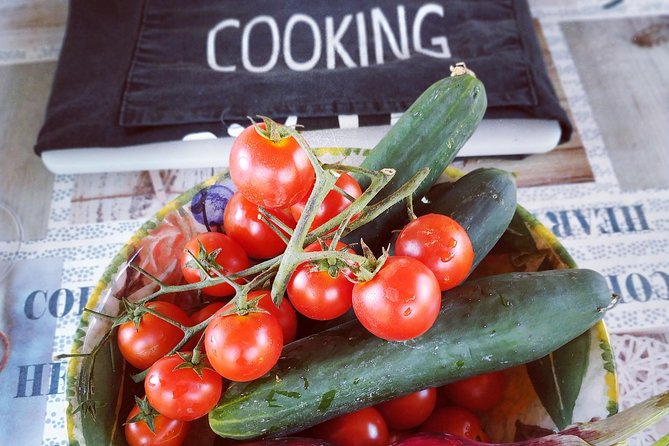
The price is $132.32 per person for about 3 hours. On the surface, that can feel like “a lot for a cooking class.” But here’s the value math that matters.
You’re paying for:
- A full three-course menu you actively make
- Private instruction for your group
- Ingredient tastings (organic extra virgin olive oil and Chianti Classico)
- The recipe take-home component
- A real farmhouse setting with the food-and-culture side carried by Giorgia and Gioia
In other words, you’re not just buying a cooking session. You’re buying a guided, high-touch food experience where the meal is part of the lesson. For many people, it ends up being one of the best meals they eat in Tuscany because it’s both delicious and explained while you cook it.
If you’re traveling as a duo or small group, private instruction can be especially good value. If you’re solo, you’ll still get the benefit of an instructor-focused class, but you might want to compare with other group classes if you’re trying to stretch every euro.
Who this fits best (and who might want a different option)
This class is a strong match if you:
- Want an authentic Tuscan meal experience in the Chianti area
- Like hands-on cooking more than watching
- Enjoy food lessons that include local context from the people teaching
- Want a memorable, warm setting rather than a rushed factory-style class
It may be less ideal if you:
- Need a weekend schedule, since the listed hours are Monday to Friday
- Are extremely short on time and can’t handle a full 3-hour block
- Have trouble getting to a rural farmhouse location (the data doesn’t spell out transport help)
One nice bonus: the class has included families with kids in the past, and Giorgia is described as great with children. If you’re traveling with youngsters, you can reasonably expect patient guidance, though you’ll still want to plan for a full meal session.
Should you book this Chianti cooking class?
If your goal is a true Tuscan cooking day in a real farmhouse, this is a very easy yes. The menu is classic and complete—starter, handmade pasta ragù, and tiramisù—so you’ll feel like you truly ate and learned, not just sampled. And the instruction style credited to Giorgia and Gioia is consistently described as warm, funny, and structured enough for beginners.
Book it especially if you’re the type who wants to return home and cook something that tastes like Italy. The take-home recipes plus the olive oil and wine tasting make that outcome more likely.
If your schedule only works on weekends, or you dread rural logistics, you might choose something else. But for a weekday opening and a group that wants real instruction, this class is a strong pick.
FAQ
Where is the cooking class meeting point?
It meets at Agriturismo Le Bonatte, Loc. le Bonatte, 77, 53017 Radda in Chianti SI, Italy.
How long is the cooking class?
The class lasts about 3 hours.
Is the class private?
Yes. It’s a private tour/activity, and only your group participates.
What will you cook during the class?
You’ll prepare panzanella (starter), tagliatelle al ragù (main), and tiramisù (dessert).
Does the experience include tastings?
Yes. The lesson includes a tasting of organic extra virgin olive oil and Chianti Classico wine.
Is the class offered in English?
Yes. The class is offered in English.