REVIEW · KERALA
Authentic local vegetarian Kerala cooking class in Wayanad
Book on GetYourGuide →Operated by Centre Home Wayanad · Bookable on GetYourGuide
Spice air, coconuts, and kitchen lessons in Kerala. In Rahul’s home in Wayanad, two things I really like are the hands-on spice garden walk and the way chef Sharadha teaches you real techniques you can use again at home. The main drawback to plan for: it’s for adults and teens 16+, so it won’t suit younger kids.
This is the kind of class that’s more than food. You start with a refreshing coconut, then you walk through the garden and fields where ingredients are part of everyday life, before returning to cook and sit down to eat what you made. With a small group capped at 6, you’ll get time to ask questions instead of watching from the sidelines.
At $15 for 3.5 hours, it’s solid value because you’re paying for both a guided nature/agriculture tour and a home-cooking lesson. You also get a printed recipe, which is the difference between a nice meal and a meal you can repeat for your family back home.
In This Review
- Key highlights you’ll care about
- Kerala home cooking in Wayanad for $15: what makes it worth it
- Centre Home Villa Wayanad: meeting the team and setting expectations
- The coconut start: why it’s not a gimmick
- Garden, fields, and farm walk: seeing ingredients come from the ground
- The coffee and banana plantation stop: agriculture you can taste
- Back in the kitchen with chef Sharadha: learning Kerala vegetarian techniques
- What you’ll learn (beyond the final dish)
- Eating your meal: why the shared table is part of the lesson
- Getting the recipe print out: your souvenir that isn’t just paper
- Who should book this Kerala vegetarian cooking class
- Price and logistics: the basics that help you plan
- Should you book it in Wayanad?
- FAQ
- FAQ
- How long is the cooking class?
- Is the class vegetarian?
- How large is the group?
- What language is the instruction?
- Where do I meet the group?
- Is it suitable for children?
- Can I get a refund if my plans change?
Key highlights you’ll care about
- A home-cooking class run by Rahul and chef Sharadha with English guidance
- Coconut start plus a garden and fields walk that sets the food context
- Hands-on ingredient moments like chopping coconuts and pineapples
- Vegetarian Kerala ingredients with real names such as rava, vegetables, and papadam
- A printed recipe you can bring home and actually cook
- Small group size (up to 6) for more direct attention
Kerala home cooking in Wayanad for $15: what makes it worth it
If you want Kerala food, you can eat it anywhere. If you want to understand why it tastes the way it does, this kind of home cooking class is where the light turns on.
For $15 for 3.5 hours, you’re not just buying recipes. You’re buying context: you see plants, spices, and everyday farming rhythms before you touch the ingredients. That agriculture-first approach makes the kitchen lesson land faster, and it helps you remember what to do when you cook later without a guide standing next to you.
This is also small-group by design. Limited to 6 participants, the class avoids the big-tour feel, and that matters when you’re chopping, tasting, and asking questions about spice blends and technique.
Centre Home Villa Wayanad: meeting the team and setting expectations
The experience meets at Centre Home Villa Wayanad. You’ll come in as a visitor, but you quickly shift into a guest role in a family-style kitchen setting.
Rahul—born and raised locally—guides you through the day’s story. Chef Sharadha leads the cooking side and teaches traditional methods in English. From the start, the vibe is friendly and informal: you’re meant to ask, try, and learn, not just observe.
One practical point: this is an adult-and-teen oriented activity. It’s not suitable for children under 16, so the pace and talking style are geared toward older participants.
The coconut start: why it’s not a gimmick
The class begins with a refreshing coconut. It’s simple, but it works as a mental warm-up.
In Kerala cooking, coconut and spice balance are everywhere, so starting with coconut helps you connect the flavor you’re about to learn with the ingredients you’ll see later. It also gives you a quick reset if you’ve been traveling or walking outside in Wayanad’s conditions.
After that, you step into the day’s main theme: how local people live alongside plants, soil, and seasonal harvest.
Garden, fields, and farm walk: seeing ingredients come from the ground
A big reason this class gets praised is how much time you spend outside before you ever lift a knife in the kitchen.
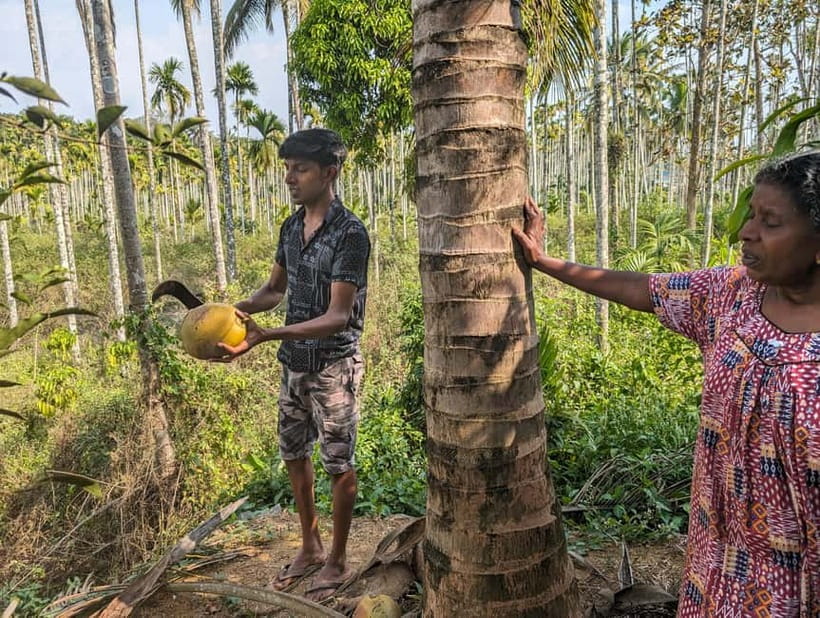
You’ll visit the garden, fields, and farm, and you’ll also get a look at daily local life through stops that include a temple visit. The point isn’t sightseeing for its own sake. It’s to show you that the food you’re about to cook isn’t pulled from a supermarket fantasy—it’s grown, collected, and used in real rhythms.
You may also spot spice plants and other useful crops during the walk. One of the best parts is that you’re not just looking. You’re learning what’s used and why it matters in the kitchen.
And yes, you get hands-on moments. In at least one experience format, participants chop their own coconuts and even pineapples during the early portion of the day. That kind of physical involvement changes how you remember the flavors later.
The coffee and banana plantation stop: agriculture you can taste
In Wayanad, agriculture isn’t a background detail—it’s part of the personality of the area. This experience includes a coffee plantation tour and a banana plantation tour, so you get a broader view of what locals grow alongside spices and vegetables.
Why this matters for food learning: coffee and bananas aren’t directly the same as a spice-and-rice dish, but they show land use and crop choices. When you understand the farming mix, spice and vegetable cooking feels less random. It becomes a system.
On top of that, these plantation stops break up the day nicely. You’re outdoors, moving around, and getting fresh context before you return to the kitchen for the main lesson.
Back in the kitchen with chef Sharadha: learning Kerala vegetarian techniques
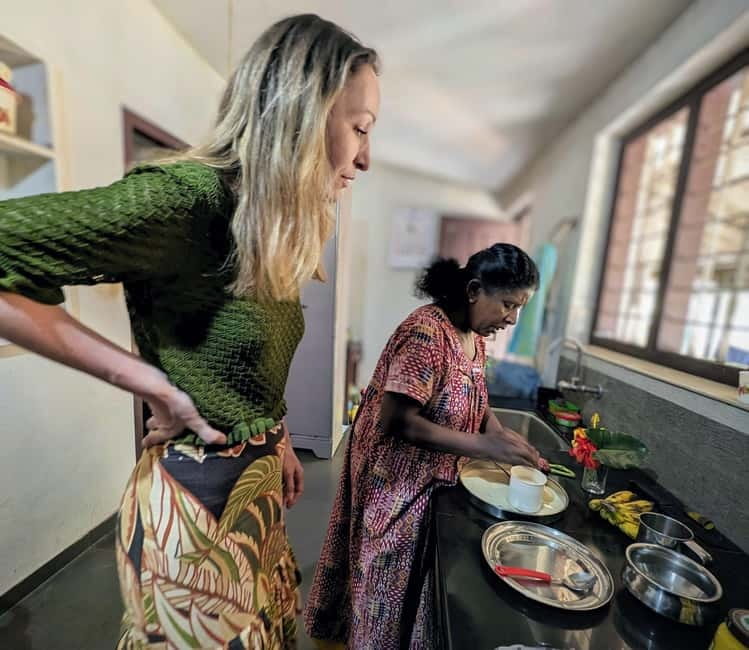
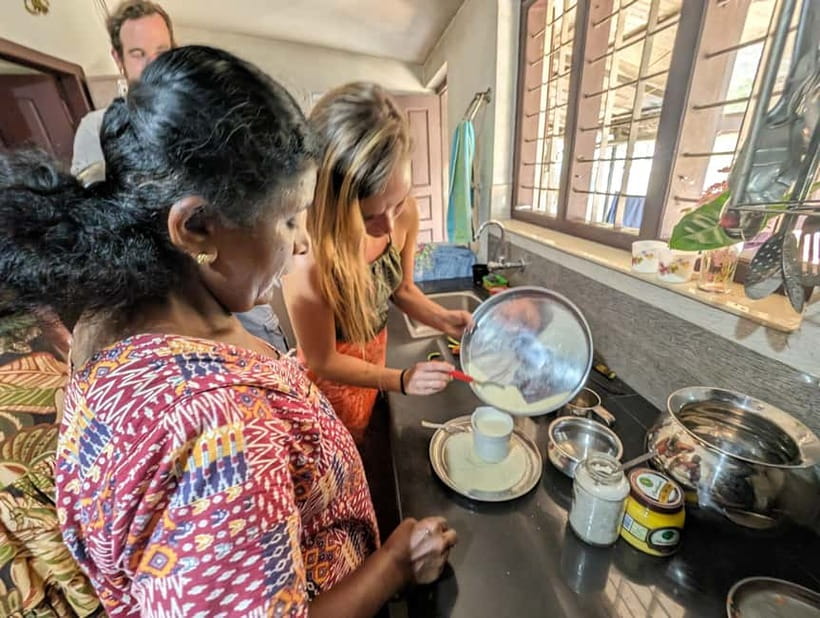
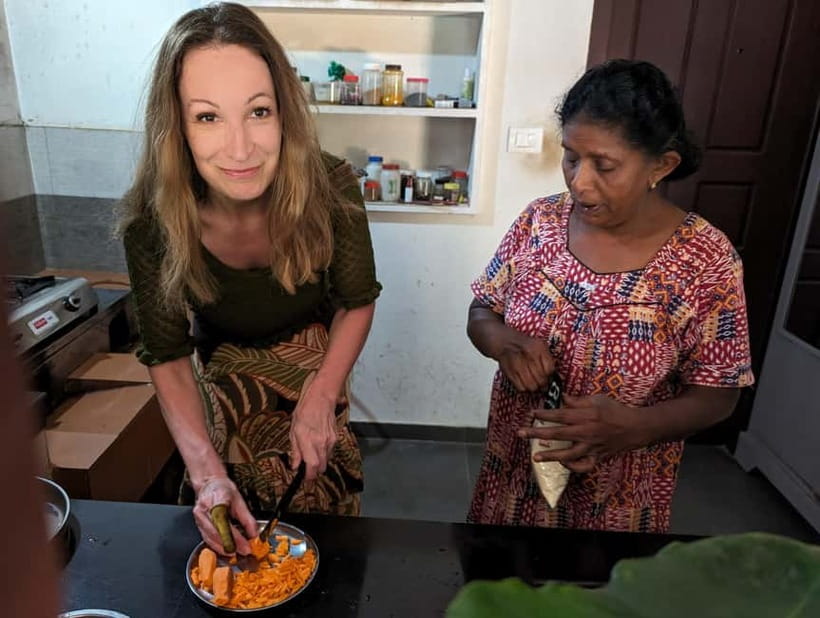
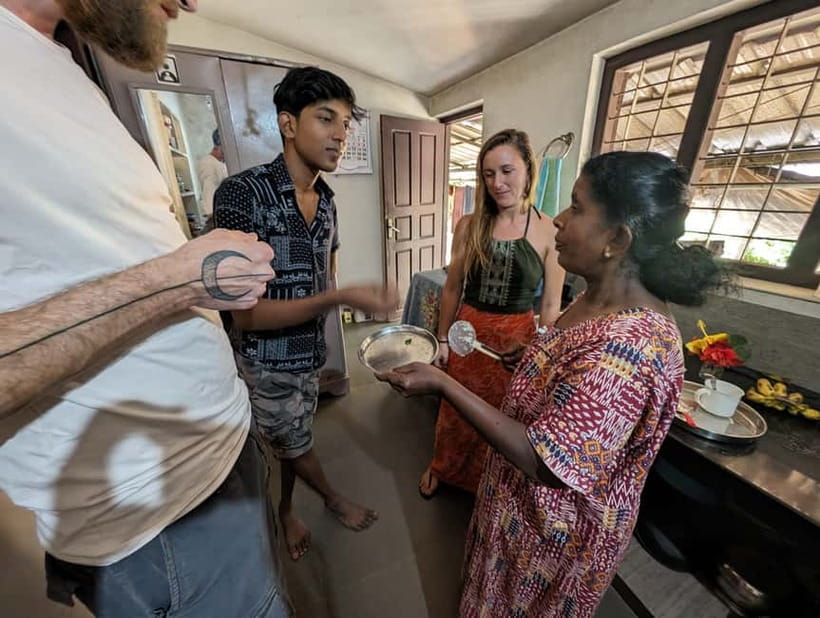
Once you’re back at the house, you shift into the cooking portion led by Sharadha. This is where the class becomes practical.
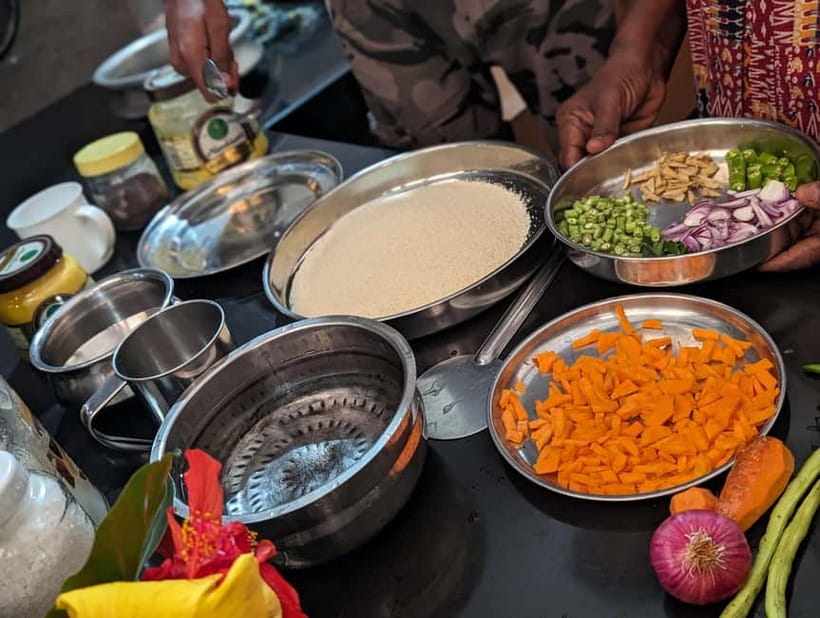
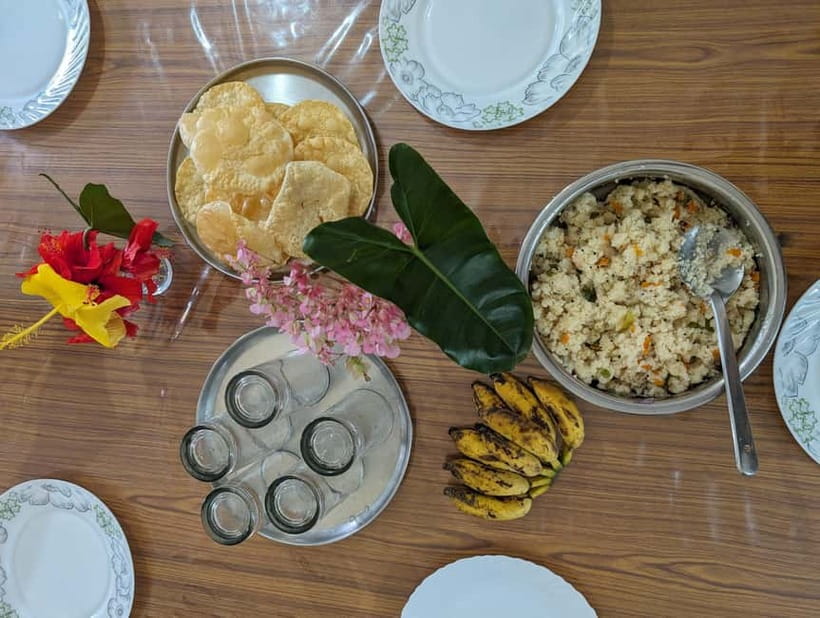
You’ll cook a typical Kerala recipe with a traditional approach. The ingredients you handle include Indian items such as rava, vegetables, papadam, and many spices. That’s a helpful mix because it teaches you not just what to add, but how Kerala flavors are built—through seasoning, texture, and layering.
Chef-led instruction is a huge deal here. In many cooking classes, you get a demo and then a short “now you try.” Here, the teaching style aims to keep you involved as you follow techniques and assemble the dish.
Also, it’s vegetarian focused. So if your food philosophy is plant-based or you simply want Kerala flavors without meat dishes, this is a straightforward fit. You won’t have to translate a chicken or fish technique into something else.
What you’ll learn (beyond the final dish)
The “secret” isn’t one magic spice. It’s technique, pacing, and understanding how ingredients behave.
From the way the class is described, you’ll focus on:
- Ingredient handling: working with vegetables and spice components in a real kitchen flow
- Texture control: working with rava and accompaniments like papadam to understand crunch and density
- Spice understanding: seeing and using Indian spices in a way tied to local cooking
- Putting it together as a Kerala-style dish: following a traditional recipe format so it tastes right, not just edible
And the best part is that the learning is meant to transfer. You don’t just eat and leave. You get a recipe print out, and that paper matters because it gives you a clear checklist for when you cook later at home.
Eating your meal: why the shared table is part of the lesson
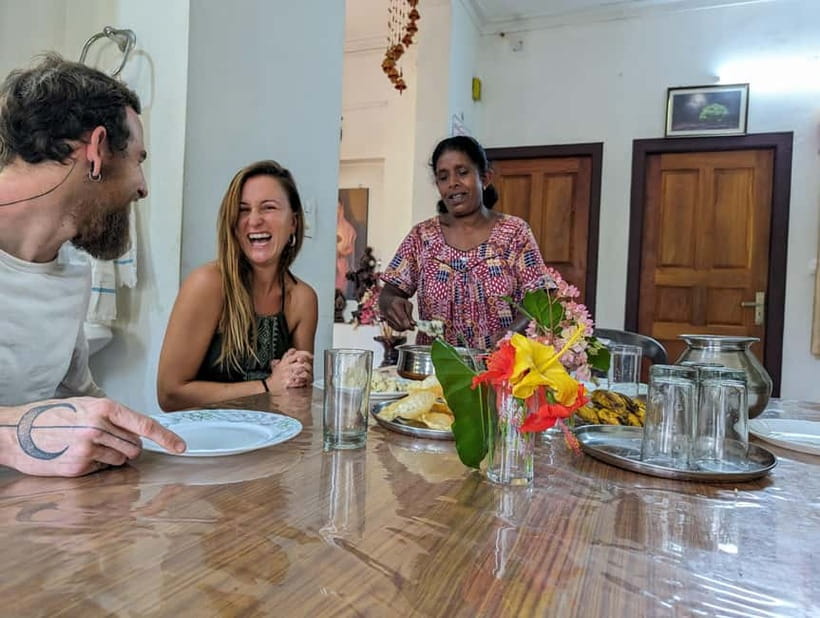
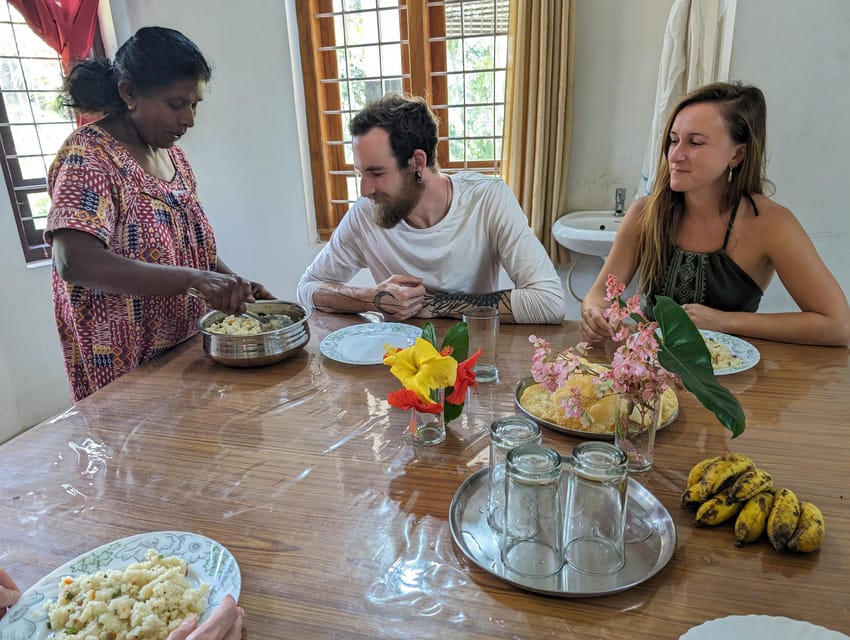
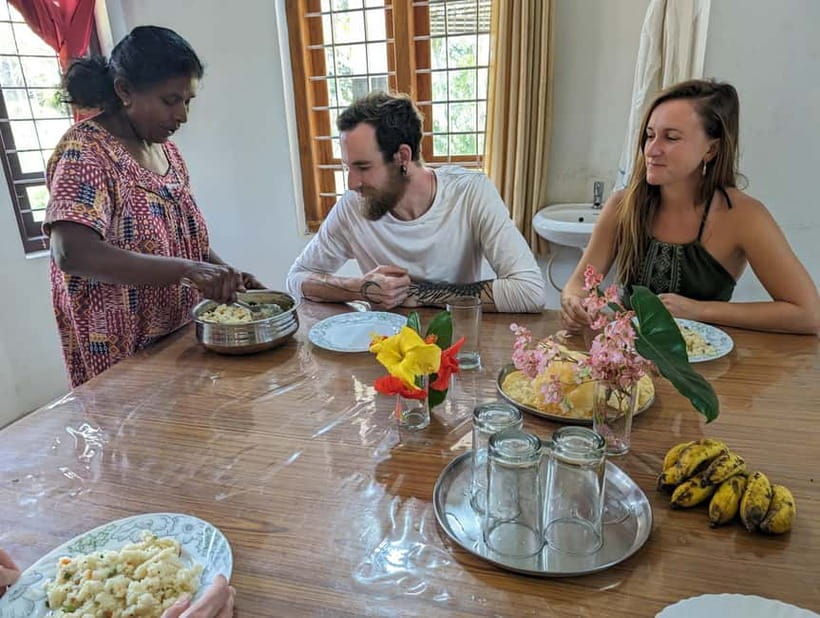
After cooking, you sit down and eat your meal. This matters more than it sounds.
When you taste right after you cook, you can connect every step you did to the final result. Was it too spicy before adjusting? Did the seasoning bloom when heated? Did the papadam keep its crunch? You can often answer those questions because your memory is fresh and you just worked the process.
It’s also a social moment. You’ll gather around the meal with the others in your small group, and you’ll get a final chance to ask Rahul or Sharadha questions about how to adapt flavors or recreate the experience back home.
Getting the recipe print out: your souvenir that isn’t just paper
A printed recipe might sound basic until you’ve tried to cook from vague notes. Here, the recipe is explicitly included so you can recreate what you made for your family.
I like recipes that are clear enough to use right away, because cooking at home is where the “value” of a class really shows up. At $15, the meal alone could be a pleasant lunch, but the recipe is the real long-term payoff—especially if you want Kerala flavors again without booking another tour.
Practical tip: take a photo of your dish and write down any spice adjustments you tasted in the moment. The class gives you the printed recipe, but your taste memory is the extra edge.
Who should book this Kerala vegetarian cooking class
This is a great match if you:
- Want authentic local Kerala food rather than a generic “international cooking class”
- Like tours where you learn why ingredients matter (not just what to add)
- Prefer a small group and a friendly, question-friendly instructor team
- Enjoy agriculture and spice walks as much as the cooking itself
- Want a vegetarian cooking experience focused on traditional methods
It may be less of a match if you:
- Need a family-friendly option for kids under 16 (this one isn’t suitable)
- Want a strictly indoor activity with minimal walking
- Are only interested in eating, not in understanding or cooking
Price and logistics: the basics that help you plan
At $15 per person for 3.5 hours, this class is priced like an accessible cultural experience rather than a premium fine-dining event. You get a packed schedule: coconut start, garden/fields/farm and temple area, coffee and banana plantation tour, then kitchen cooking and an included meal.
The meeting point is Centre Home Villa Wayanad, so plan to arrive with enough time to settle in. The class is led in English, which makes it easy to follow along and ask questions without guessing at measurements.
Group size is capped at 6 participants, so you’re unlikely to feel like a number.
Should you book it in Wayanad?
I’d book this if you want something hands-on and local—food plus the land behind it. The strongest draws are the home-cooking format, the agriculture walk that gives your cooking context, and the fact that you leave with a printed recipe you can use.
Pass if you’re looking for a kid-friendly activity or if you want a mostly indoor lesson. Also, if you hate walking outdoors, keep that in mind because the morning portion includes garden, fields, farm, and plantation-style stops.
FAQ
FAQ
How long is the cooking class?
It runs for about 3.5 hours.
Is the class vegetarian?
Yes, it’s an authentic local vegetarian Kerala cooking class.
How large is the group?
The group is limited to 6 participants.
What language is the instruction?
The cooking class is taught in English.
Where do I meet the group?
You meet at Centre Home Villa Wayanad.
Is it suitable for children?
No. It’s not suitable for children under 16.
Can I get a refund if my plans change?
Yes. Free cancellation is available up to 24 hours in advance for a full refund.