REVIEW · POMPEI CAMPANIA
Pasta Cooking Class in a Garden near Pompeii
Book on GetYourGuide →Operated by Giardini Balestrieri 132 · Bookable on GetYourGuide
Aprons on. Pompeii waits while you roll dough. This Pasta Cooking Class in a Garden near Pompeii turns a simple meal into a family-style lesson, starting outdoors and ending at the table with local food. I love the garden-to-plate ingredients and the small group size (up to 10) that keeps you hands-on. One drawback to consider: transfer isn’t included, so plan how you’ll get there (and back).
You’ll be a few minutes from the Pompeii ruins and the sanctuary, but you’re not rushing through a tourist stop. The whole setup is designed around home cooking: garden products, an apron on, and time to learn how the dough should feel, not just how it looks.
In the kitchen, the lesson focuses on handmade pasta techniques and a typical Campania dessert. Expect an English-speaking instructor and a friendly family vibe, with little extras like meeting the household cat, Gary.
In This Review
- Key Things That Make This Class Worth Your Time
- A Garden-First Class Minutes from Pompeii Ruins
- Meeting at Giardini Balestrieri and How the 3 Hours Flow
- Garden Harvest to Bruschetta: Starting the Meal Campania Style
- Handmade Pasta and Ravioli Skills You’ll Use Back Home
- Caprese Lemon Cake and Other Campania Desserts for Sweet Closure
- Wine, Water, and the Family-Style Meal Moment
- Price and Value: What $94 Gets You Near Pompeii
- Who Should Book This Pasta Class (and Who Might Skip It)
- Should You Book This Pasta Cooking Class Near Pompeii?
- FAQ
- Where is the meeting point?
- How long is the class?
- What’s included in the menu?
- Is the class taught in English?
- What’s the group size?
- Is a transfer included?
- Is there a minimum booking size?
- Can I cancel and get a full refund?
Key Things That Make This Class Worth Your Time
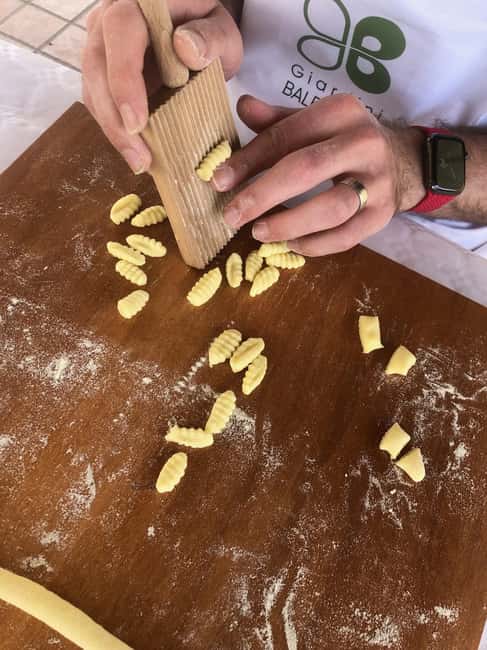
- Garden start, kitchen finish: You begin with the produce before you touch the flour.
- You make pasta from scratch: The focus is on real dough work and making ravioli (not just assembling).
- A complete menu is included: Bruschetta, fresh pasta, homemade dessert, water, plus Gragnano wine.
- Small group pace: Limited to 10, so you get attention while you learn.
- Season-based menu changes: Ingredients can shift with what’s growing and the season.
- Pompeii convenience: It’s close to the ruins and the sanctuary, so this feels like a smart add-on.
A Garden-First Class Minutes from Pompeii Ruins
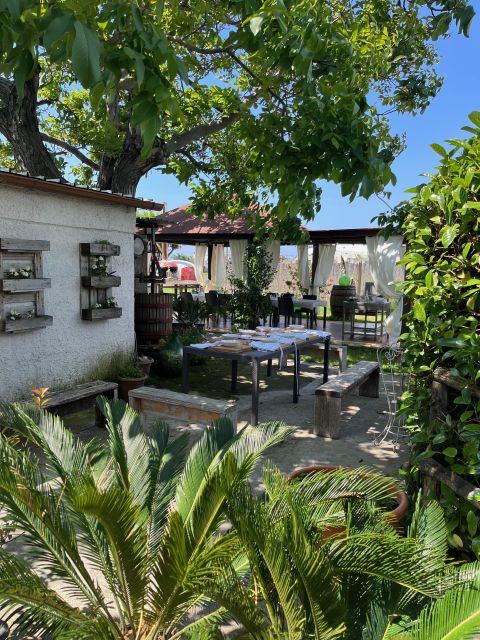
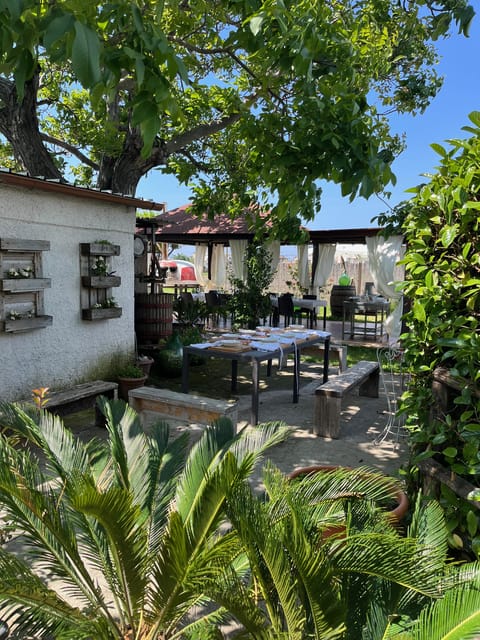
This experience works because it puts you in the right frame of mind fast. You’re near Pompeii, but the class doesn’t feel like a rushed add-on to archaeology. It feels like you’re stepping into everyday Campania life for a few hours.
The garden part matters more than it sounds. Seeing what’s growing makes the food you eat afterward feel more specific and less generic. It’s one thing to read about “local ingredients.” It’s another thing to start from the garden and then taste the result.
And the timing is practical. A 3-hour class is long enough to learn real technique, but short enough that you can still plan Pompeii visits the same day.
Meeting at Giardini Balestrieri and How the 3 Hours Flow
You’ll meet at the balestrieri gardens area—look for a sign that says balestrieri gardens. The experience provider is listed at Giardini Balestrieri 132, so it’s worth double-checking your directions in advance.
Once you arrive, the flow is steady and simple:
- You start outdoors, where you’ll see garden-grown products and learn what you’ll use.
- Then you head into the home kitchen for the hands-on pasta lesson.
- Finally, you sit down for the meal you made: bruschetta, pasta, dessert, and drinks.
What I like about the structure is that it matches how Italians actually eat at home: you cook, you talk, you eat together. The class is also built for participation. With a group capped at 10, you’re not stuck watching someone else do everything.
One practical note: minimum experience is for two people, so you’ll want a partner (or to team up) if you’re traveling solo. Also, gratuities aren’t included, and transfer isn’t included, even though you can request a transfer and ask for information.
Garden Harvest to Bruschetta: Starting the Meal Campania Style
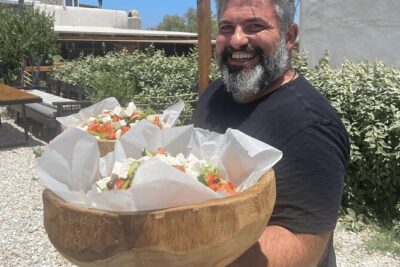
The meal begins before the pasta lesson is even finished. You’ll get bruschetta with seasonal vegetables, made with what’s in season at the time. That seasonal choice shows up again and again during the class, and it’s why the menu doesn’t feel copied from a template.
Bruschetta here isn’t treated like a warm-up snack. It’s part of the real menu. It sets the tone: fresh, simple flavors, and food that tastes like it belongs to this area.
If you care about learning cooking basics you can repeat at home, this course starts strong. You’re not only learning technique for pasta; you’re also tasting how Campania balances flavors—vegetables first, then dough.
Handmade Pasta and Ravioli Skills You’ll Use Back Home
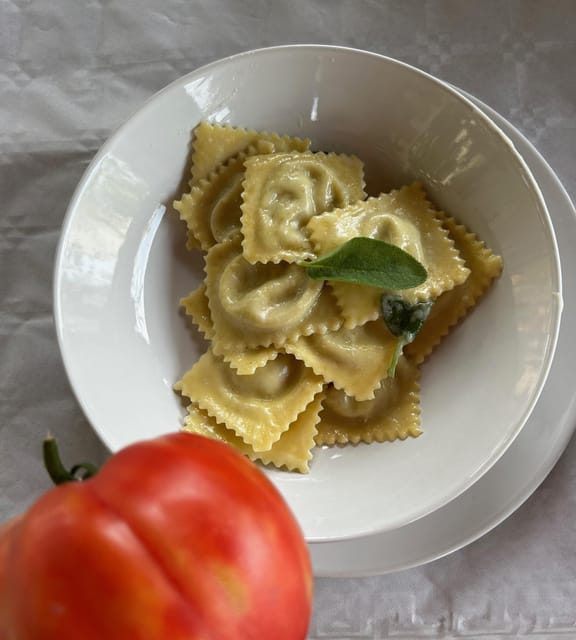
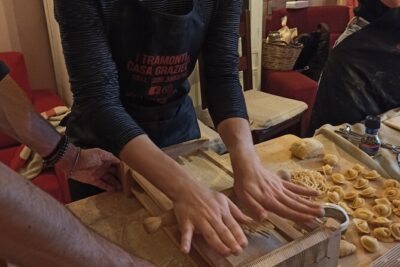
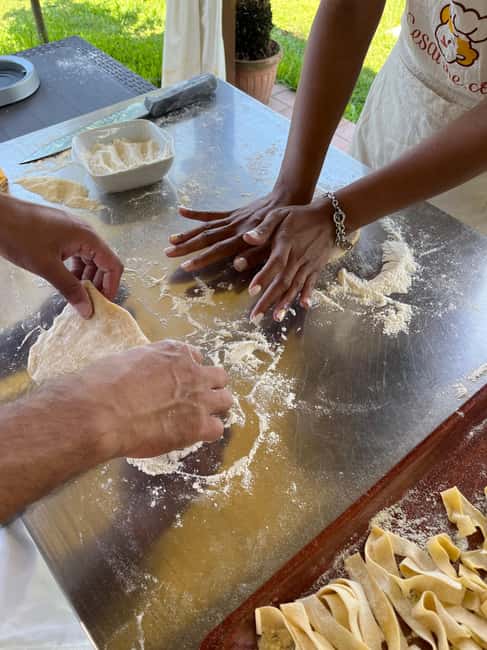
This is the main event: fresh pasta and handmade technique. The class teaches you how to make dough using basic ingredients—flour and eggs—then focuses on the feel of the dough as you work it. That “touch” lesson is what you’ll remember when you try this at home.
You’ll also learn how to roll and shape properly. The goal isn’t perfection on the first try. It’s understanding the cues—how the dough should look and behave as you work.
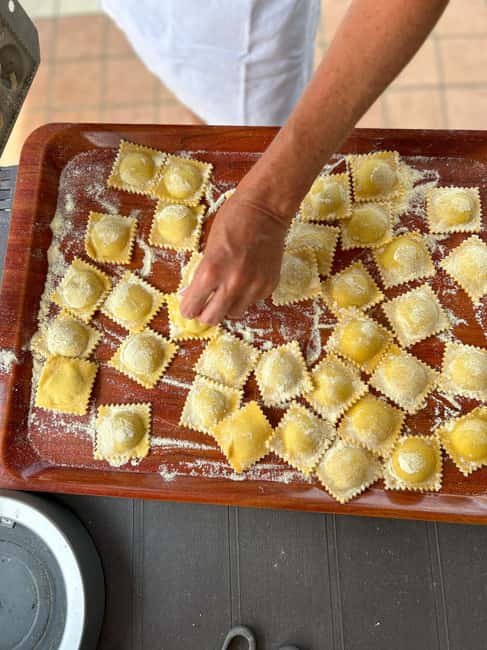
The class especially leans into ravioli. You’ll get guided through making it from scratch, step by step. That matters because ravioli is where handmade pasta goes from bread-and-pasta basics into real craft. With the small-group size, you can ask questions, get corrections, and keep your hands moving instead of freezing mid-dough.
And yes, there’s a family-energy element that helps. People tend to relax when they’re treated like part of the kitchen, not like a paying spectator. That’s when the technique clicks.
Caprese Lemon Cake and Other Campania Desserts for Sweet Closure
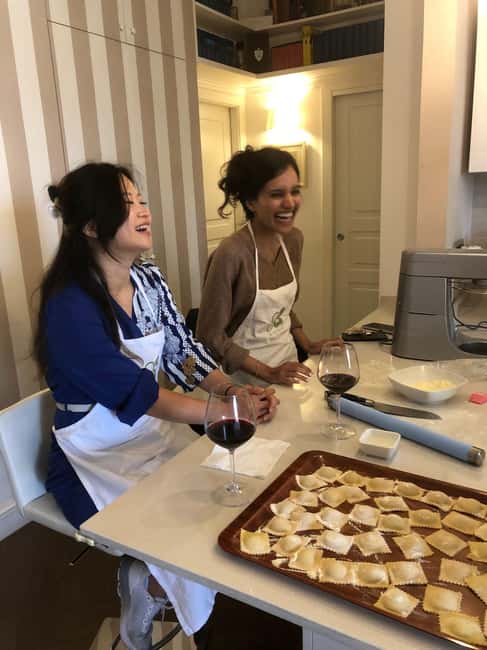
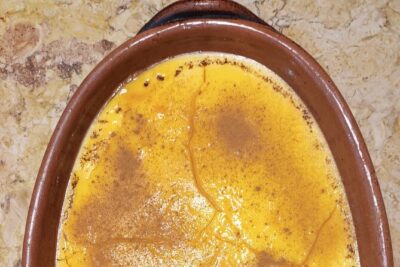
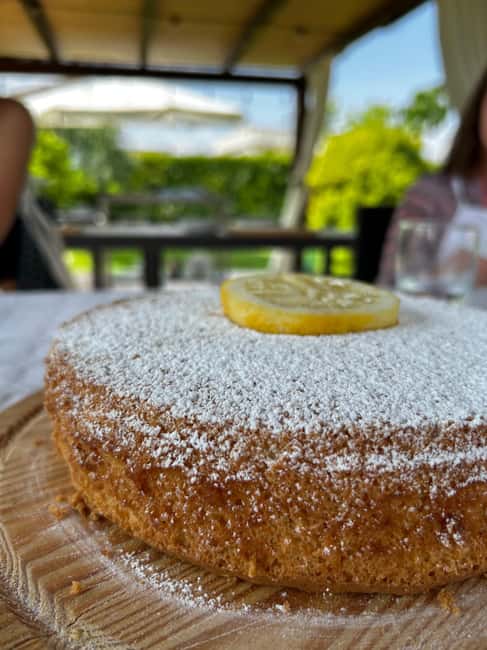
After pasta comes dessert—typically a Campania dessert that’s familiar for Sunday cooking. Depending on the timing, you might make something like a caprese lemon cake style dessert, which has shown up in the experience. The common theme is simple home baking with ingredients that feel local to the area.
This part is valuable even if you’re not a baker. Pasta classes can sometimes end with a sad store-bought sweet. Here, dessert is part of the teaching experience, so you learn how the finishing flavors are built.
And it’s not just about the recipe. You’re seeing a full meal rhythm: garden start, savory cooking, then dessert. That pacing is one of the reasons this class feels memorable rather than instructional.
Wine, Water, and the Family-Style Meal Moment
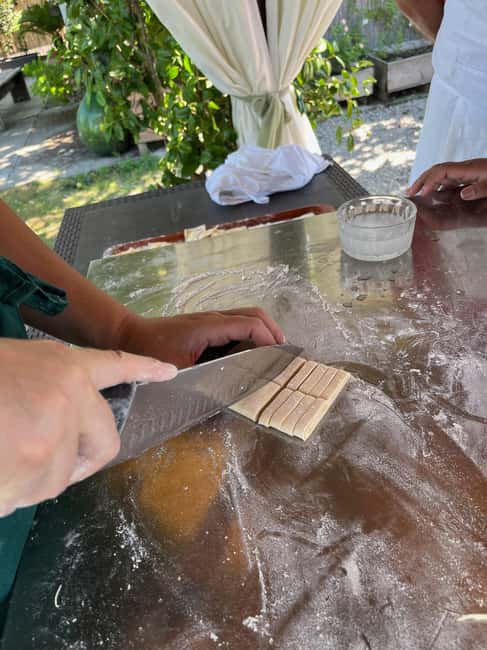
You’ll eat what you prepare, and you won’t be left hungry or rushed out the door. The included menu comes with water and Gragnano wine, which is a fun touch for something that feels local and earned.
The dining moment is where the class becomes more than a cooking workshop. You’re sitting with the group and sharing the result of your work, and the hosts keep it personal. In past sessions, the instructor Sabrina and her family have guided guests like they’re visiting for dinner, with Rosalba also helping out in the kitchen flow.
There’s even a playful side to it. One highlight that comes up often is the household cat, Gary. If you like small, human moments in a place, those details make the whole afternoon feel warmer.
Price and Value: What $94 Gets You Near Pompeii
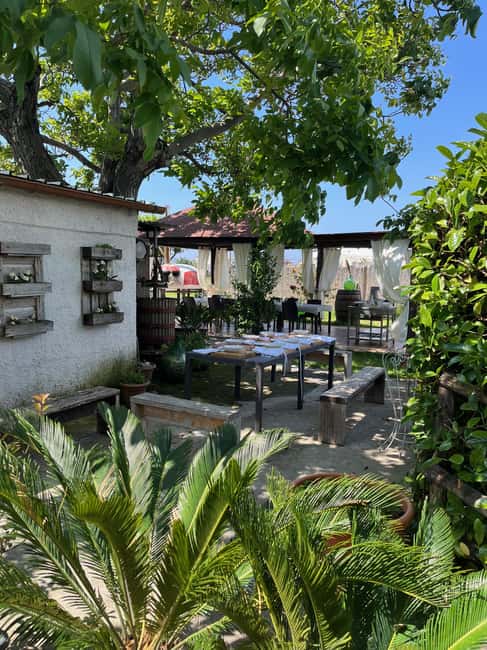
At $94 per person for a 3-hour class, you should think of this as a meal plus instruction, not a snack-and-show. The value is in the full package:
- You get a complete menu (bruschetta, fresh pasta, homemade dessert).
- You get drinks with Gragnano wine and water.
- You get hands-on teaching with a small group of up to 10.
- You get a setting that’s close to Pompeii but not stuck in tourist mode.
If you’re paying more in other places just to watch, this class makes sense. You’re actively making the food, then eating it. And because the ingredients are garden-based and seasonal, the meal feels tied to Campania rather than generic Italy.
That said, if your budget is tight and you only want one dish, it might feel pricey. This is best if you want the full experience: cooking, eating, and learning technique.
Who Should Book This Pasta Class (and Who Might Skip It)
This is a great fit if you:
- Want a hands-on pasta experience rather than a demonstration.
- Like cooking lessons with local ingredients and a real home setting.
- Are visiting Pompeii and want a day that feels more personal than another ticket line.
It might not be your best choice if you:
- Need a super flexible, drop-in schedule (the class has a set 3-hour window).
- Don’t want to travel independently, since transfer isn’t included.
- Prefer large-group experiences with set entertainment. This one is intentionally small and family-centered.
Also, it helps if you enjoy learning by doing. The class spends time on dough feel and rolling technique, so expect a real workshop vibe.
Should You Book This Pasta Cooking Class Near Pompeii?
My take: if you want one experience that turns your Pompeii day into a story you’ll actually talk about, book this. The value comes from the combination of small group teaching, garden-to-table ingredients, and a full meal that includes wine and dessert.
One smart decision tip: plan your Pompeii visit so you’re not rushed right before the class. Three hours of cooking works best when you arrive with a calm mindset—when you can focus on the dough and enjoy the sitting-down part afterward.
If you’re okay handling your own transport and you want a genuine home-cooking evening-style experience in the daytime, this class is an easy yes.
FAQ
Where is the meeting point?
You’ll find a sign that says balestrieri gardens. The experience provider address is Giardini Balestrieri 132.
How long is the class?
The experience lasts 3 hours.
What’s included in the menu?
It includes bruschetta with seasonal vegetables, fresh pasta, a homemade dessert, water, and Gragnano wine.
Is the class taught in English?
Yes. The instructor teaches in English.
What’s the group size?
The class is small group and limited to 10 participants.
Is a transfer included?
No. Transfer isn’t included, but you can request a transfer and ask for information.
Is there a minimum booking size?
Yes. The minimum experience is for two people.
Can I cancel and get a full refund?
Yes. You can cancel up to 24 hours in advance for a full refund.