REVIEW · ALICANTE
Paella & Sangria Class with Tapas and Market Visit
Book on Viator →Operated by Free Walking Tours Alicante · Bookable on Viator
Paella tastes better with a market plan. This class in Alicante turns your dinner into a guided food mission: you start at the Mercado Central d’Alacant, pick ingredients with a host, then cook in a real working kitchen instead of a tourist set-up. If you like learning how Spanish food actually gets made, it’s a fun way to see the city through flavors and habits, not just photos.
I especially like the hands-on pace. With a guide like Federico (often called Fred), you get clear steps, lots of participation, and you’re not stuck watching while someone else does the work. I also like the choice built into the class: you can go seafood, meat, or vegetarian paella, so it fits different tastes and diets.
One thing to keep in mind: the paella approach is rice-forward, and the sangria is made in a traditional style. If you expect huge seafood pieces or a wine-forward sangria that tastes like straight wine, you might find it different from what you pictured.
In This Review
- Key reasons this paella and sangria class is worth your time
- From Plaza 25 de Mayo to Mercado Central: the start that sets everything up
- What you’ll buy (and why these choices matter for paella)
- The working kitchen: where you cook like locals (and actually get involved)
- Paella from scratch: the rice-focused method you’re learning
- Seafood paella: what to expect if you love the ocean flavor
- Meat paella: hearty flavor built on the same base
- Vegetarian paella: no side quest, a real option
- Sangria + tapas: what you eat while the paella does its work
- Group dynamics: small counts, big participation
- Price and value: is $59.26 actually a good deal?
- One potential drawback: seafood size and sangria taste
- Who should book this paella and sangria class in Alicante?
- Should you book this tour?
- FAQ
- How long is the paella and sangria class in Alicante?
- Where does the tour start?
- Is the class offered in English?
- What kinds of paella can you choose?
- Do you cook, or is it mostly watching?
- Is alcohol included, and is there an age limit?
- How many people are in the group?
- Can I get a refund if my plans change?
Key reasons this paella and sangria class is worth your time
- Market shopping at Mercat Central d’Alacant with real guidance on ingredients
- A working kitchen where locals eat, not a staged cooking studio
- Choose your paella style: seafood, meat, or vegetarian
- Small groups (max 16) that make it easier to actually participate
- Sangria + tapas timed into the cooking flow, so you’re not waiting around
- Guides like Federico/Fred bring both food facts and a friendly, upbeat tone
From Plaza 25 de Mayo to Mercado Central: the start that sets everything up
Most people miss this part of Alicante. The tour begins at Plaza 25 de Mayo and then you head to the Mercado Central d’Alacant. That’s where the class earns its value, because paella is only as good as what you buy, and the market is where that starts.
The market walk isn’t just sightseeing. Your guide leads you through stalls and helps you choose what matters: what looks fresh, what cooks best, and what works together in Mediterranean cooking. You’ll also get explanations about ingredients people in the region care about, like cured meats, olives, and seafood choices that don’t match what you might buy at home.
A bonus: the market is easy to enjoy even if you’re not a “foodie.” Even the simple act of browsing the stalls with a plan feels better than wandering alone.
You can also read our reviews of more tours and experiences in Alicante.
What you’ll buy (and why these choices matter for paella)
You’re not just collecting random items. The class is designed around picking the essentials for paella, plus extras that show up later as tapas and sides.
From the shopping experience, you can usually expect a mix of:
- Seafood or meat ingredients depending on your paella choice
- Add-ins that support flavor, not just decoration
- Olives and cured products that connect paella to broader Alicante tastes
- Ingredients used later for tomato salad and other small bites
One theme from the class vibe: people come away knowing why an ingredient was selected, not only what it is. You may hear details about cured ham and how brined olives fit into the flavor logic. That makes the final meal feel less like a random dish and more like a regional pattern.
If you’re the type who likes to bring skills home, this shopping portion is where that happens. You’ll learn what to look for when you’re buying ingredients later on your own trip.
The working kitchen: where you cook like locals (and actually get involved)
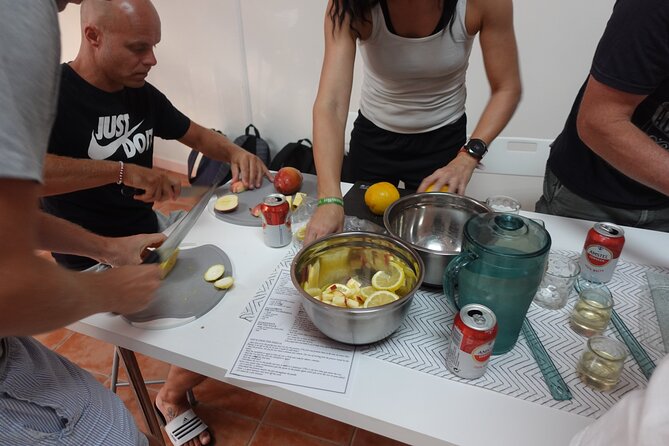
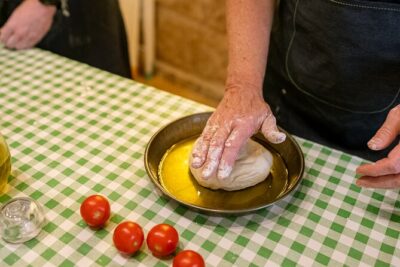
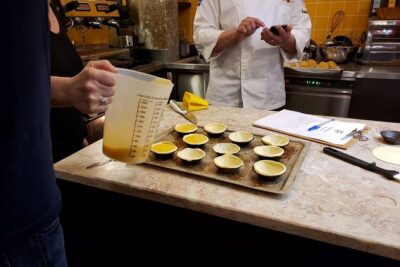
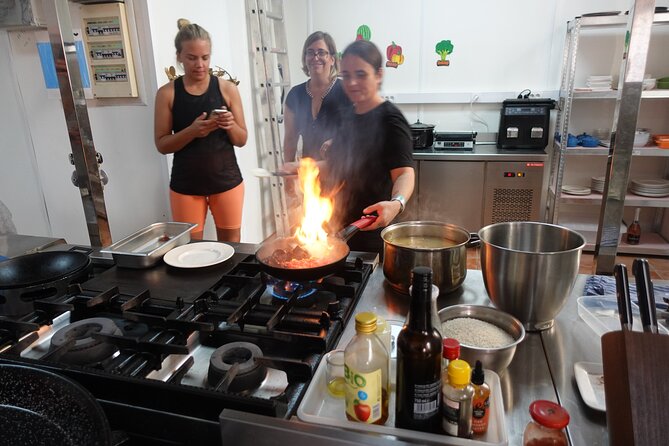
After the market, you walk to a local restaurant kitchen. The key detail here is that it’s a real working place where locals eat, not a demo-only studio. That matters because you’ll feel the rhythm of real food work: prep first, tasting while cooking, and using tools like locals do.
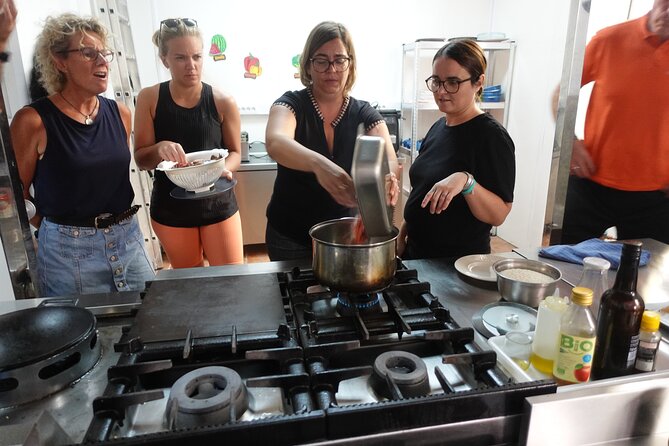
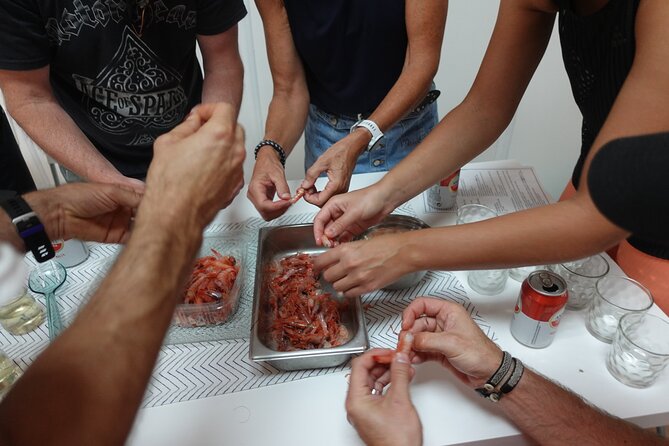
In the kitchen, the class is led by a professional chef and host. You’ll get a step-by-step process that starts with flavor bases like salmorreta, the sofrito-style foundation used in the dish. From there, you work through the process that turns your ingredients into something cohesive: stock building, seasoning, and then the final paella stage while the pan simmers.
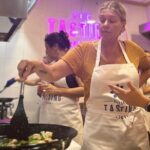
The best part is participation. Multiple reviews mention that everyone gets a role, from chopping and prepping to taking turns cooking. If you’ve ever done a cooking class where you only stir once, this one tends to feel different.
Also, the group size helps. Even though the tour can run up to 16 participants, many experiences happen with smaller headcounts, and that tends to make it easier to follow the steps and keep busy.
Paella from scratch: the rice-focused method you’re learning
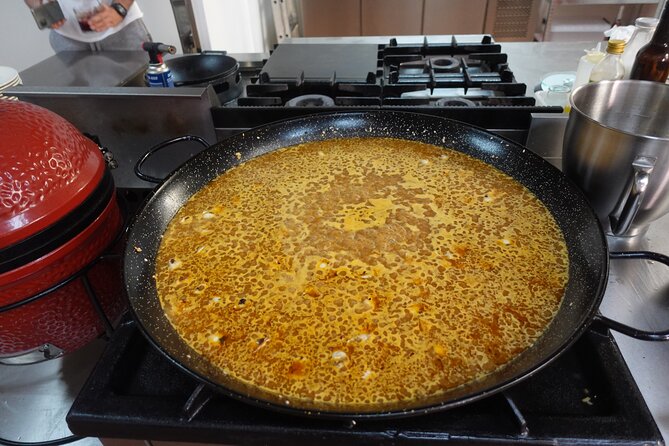
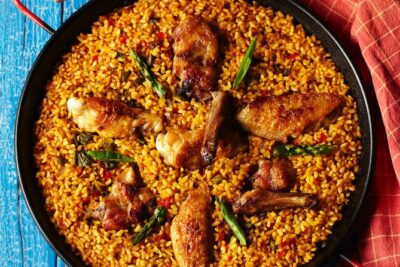
Paella can sound simple until you try to explain it. This class makes one point repeatedly: it’s all about the rice, and the flavor comes from the stock you build during the workshop.
You’ll hear that the seafood, meat, or vegetables aren’t the main flavor source by volume. Instead, the rice absorbs what you created earlier—stock made from fresh ingredients—so the “core” of the meal is the rice and its seasoning path.
That approach is authentic to how chefs talk about paella, and it changes how you taste the finished dish. When you eat, you’re not just chewing toppings. You’re tasting the broth logic inside each bite.
Seafood paella: what to expect if you love the ocean flavor
If you pick seafood paella, you’ll focus on ingredients from the Mediterranean and learn how they behave in a paella context. One review mentions using a blow torch during prep/cooking, so you may get to see more than just stovetop work.
Keep your expectations realistic. The paella style in Alicante can use smaller seafood pieces than people imagine from big tourist portions. The upside is freshness and quality, plus the rice doing the heavy lifting.
Meat paella: hearty flavor built on the same base
If you choose meat paella, you’ll still use the same overall paella method—foundation, stock, then cooking. The “difference” is what proteins are added and how you balance them with rice.
The advantage of learning the method is that you can switch proteins later. You don’t just leave knowing one recipe—you leave knowing how the structure works.
Vegetarian paella: no side quest, a real option
Vegetarian isn’t treated like an afterthought. The class includes a vegetarian paella option, and you’ll follow the same rice-and-stock idea with ingredients chosen for flavor depth.
If you’re traveling with someone who doesn’t eat meat or seafood, this is a straightforward way to make sure dinner still feels like the main event.
Sangria + tapas: what you eat while the paella does its work
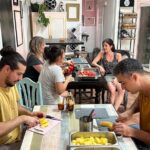
You’ll enjoy traditional tapas during the cooking flow. That keeps the pace lively and means you’re not stuck waiting only for the final paella moment.
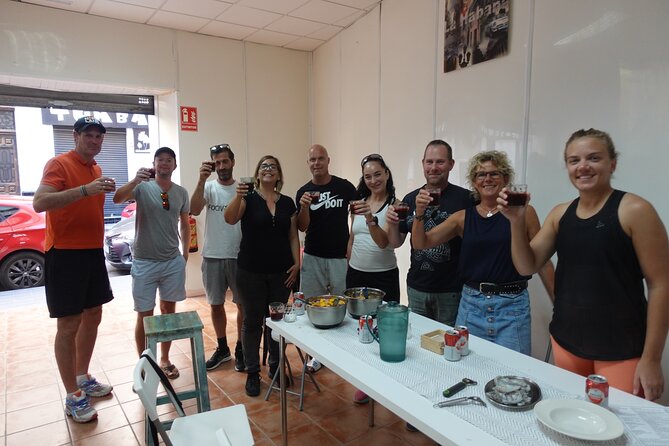
Then there’s sangria. You’ll make it fresh during the class, and you’ll get an approach that’s typical in the way the drink is served locally. The sangria is not just poured wine. It’s mixed with orange juice and soda, plus syrup, liquor, and fruit.
If you like “wine taste first,” this might feel like a different thing. But if you like sangria as a balanced party drink—fruity, cold, and meant to stretch through a meal—this style fits perfectly.
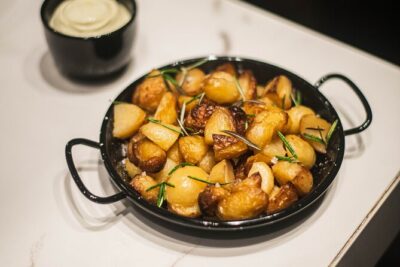
People also mention extra bites alongside paella, including things like cured meats (including Iberian ham) and a tomato-and-fish salad. That’s how the menu feels “Alicante” rather than generic Spanish cooking.
Group dynamics: small counts, big participation
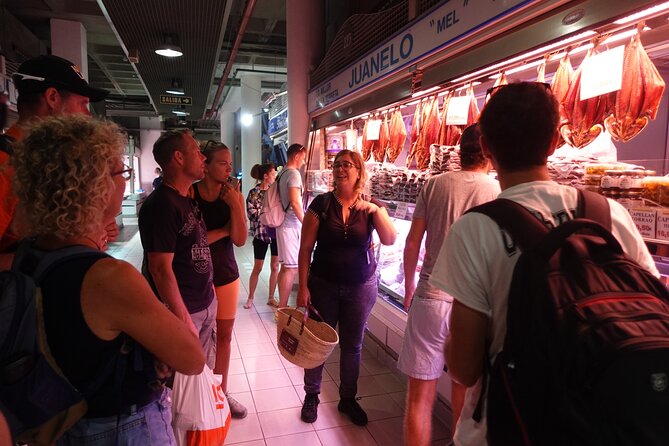
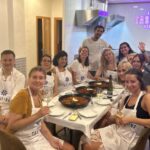
The class is designed for groups small enough to keep you involved, with a maximum of 16 travelers. Many groups end up being smaller, which is exactly what you want for a market-and-kitchen format.
Why? Because in the market you’re walking close with the guide, and in the kitchen you’re turning ingredients into a shared workflow. If the group is too large, you get less time at the prep stations. Here, the setup aims to avoid that.
From the reviews, you can also infer what works best for comfort: around 7 to 8 people seems ideal for both movement and attention. But even larger groups within the limit still tend to feel manageable because the class is built around shared tasks.
Price and value: is $59.26 actually a good deal?
At $59.26 per person, you’re paying for more than a recipe card. You’re paying for:
- A market visit with guidance on ingredients
- A kitchen where you cook with a chef/host
- Paella made from scratch plus sangria
- Tapas and sides that fill out the meal
When you compare that to doing market shopping on your own and then trying to recreate paella without local know-how, the price starts looking fair. You get expert direction on the stock method and the rice logic, plus you walk away fed.
Now, the value depends on your expectations. If you’re the type who wants giant, Instagram seafood piles on top of rice, you might judge portions harshly. But if you care about flavor and process, the “rice-focused” philosophy makes the meal land better.
One potential drawback: seafood size and sangria taste
Let’s be real about what can go wrong.
One less-satisfying review complained about small shrimp and a sangria that tasted watered down compared to wine. That’s exactly the kind of mismatch that can happen when your mental image doesn’t match how paella is made in Alicante.
Here’s what you can do to protect yourself:
- Choose seafood paella if you like fresh Mediterranean seafood, but don’t expect giant ocean shrimp.
- Choose sangria if you like a mixed drink with fruit and soda, not if you want pure wine taste.
- If you’re sensitive to seafood texture, ask for clarification when choosing your paella style—seafood types can vary.
The class also has a reputation for being educational and structured, so if something doesn’t match your taste, the guide will usually explain the reasoning behind it.
Who should book this paella and sangria class in Alicante?
Book it if you want:
- A practical food lesson you can use later
- A market-to-kitchen experience that feels local
- A meal where you cook and then eat what you made
- The flexibility of seafood, meat, or vegetarian
Skip it if you’re looking for:
- A quiet, hands-off cooking show
- A paella that’s built like a seafood stew
- A sangria that tastes like straight wine
This is best for couples, small groups, and food-curious solo travelers. It also works well for first-timers because the steps are explained clearly and everyone gets a job.
Should you book this tour?
I’d book it if you’re in Alicante and you want your dinner to teach you something. The market start, the working kitchen, and the way you learn the rice + stock method make it more than a meal. And because group sizes are kept fairly small, you’ll actually get to participate instead of just watching.
If your top priority is maximum seafood quantity or wine-heavy sangria, manage your expectations first. Choose paella for flavor learning, not for big topping volume.
FAQ
How long is the paella and sangria class in Alicante?
The experience lasts about 3 hours 30 minutes.
Where does the tour start?
You meet at Plaza 25 de Mayo, Pl. 25 de Mayo, 03004 Alicante.
Is the class offered in English?
Yes, the experience is offered in English.
What kinds of paella can you choose?
You can choose from seafood, meat, or vegetarian paella.
Do you cook, or is it mostly watching?
This is a hands-on class. You help with prepping and you take part in cooking paella, plus you make sangria during the session.
Is alcohol included, and is there an age limit?
Sangria is included. The minimum age for alcohol consumption is 18 years old.
How many people are in the group?
The group size is capped at a maximum of 16 travelers.
Can I get a refund if my plans change?
Yes. Free cancellation is available up to 24 hours in advance for a full refund. If the minimum number of travelers isn’t met, you’ll be offered a different date or a full refund.