REVIEW · BASEL
Homemade Italian Pizza & Focaccia Experience with a Local Family
Book on Viator →Bookable on Viator
Flour on your hands, wine in your glass. In Basel, Anita and Fabio host a private Italian cooking dinner built around a 7-year-old sourdough starter, so you’re not just eating—you’re learning real technique. I like that everything is handled for you: ingredients, tools, and starter are provided, plus you’ll get one-on-one help as you knead, shape, and cook.
This is hands-on, so be ready for a little mess. You’ll also be spending a solid block of time at 6:30 pm (about 3 hours), and if you want more drinks beyond what’s included, there may be extra charges.
You’ll start with aperitivo and wine tasting, move into making pizza and focaccia, and finish with tiramisu using fresh farm eggs and a grandma recipe. By the end, you should feel confident enough to cook again at home—and you’ll even get lievito madre as a gift.
In This Review
- Key highlights at a glance
- Arriving in Basel for a family-style Italian cooking dinner
- Why the 7-year-old sourdough starter is the star ingredient
- Aperitivo and Piemonte wines: how the evening gets its rhythm
- The starter, the toppings, and the hands-on pizza and focaccia work
- Dessert payoff: tiramisu with fresh farm eggs and grandma’s method
- Dietary needs: adaptation that sounds practical, not performative
- What you’ll actually leave able to do at home
- Price and value: $198.22 per person for a private evening meal lesson
- Who should book this Basel Italian pizza and focaccia class
- Should you book the Homemade Italian Pizza & Focaccia experience?
- FAQ
- Where is the meeting point for the class?
- What is included in the experience price?
- Do you provide ingredients and the sourdough starter?
- Can the menu be adapted for vegan, gluten-free, or allergies?
- How long does the experience last and what time does it start?
- Is the tour private, and is it offered in English?
- Can I cancel for a full refund?
Key highlights at a glance
- Private, personalized instruction so you can actually ask questions while you cook
- 7-year-old sourdough starter to help you understand soft interior, air pockets, and a crisp crust
- Real Italian meal flow: aperitivo + curated wine, then pizza/focaccia, then tiramisu
- Dietary adaptations for vegan, gluten-free, and allergy needs when you tell them in advance
- You leave with a sourdough gift (lievito madre), not just recipes on paper
Arriving in Basel for a family-style Italian cooking dinner
This experience is set up like an evening at someone’s home, not a factory-style cooking class. You start at Bottmingerstrasse 10, 4142 Münchenstein, near public transportation, and the activity ends back where you begin. The 6:30 pm start time helps it feel like a true dinner plan rather than a quick snack-and-learn session.
Because it’s private, you and your group get more time with Anita and Fabio. That matters when you’re learning dough handling—little adjustments in how you fold, shape, or portion can make a big difference in the final bake. It also makes conversation easier, so the evening doesn’t feel like you’re constantly being watched or rushed.
Why the 7-year-old sourdough starter is the star ingredient
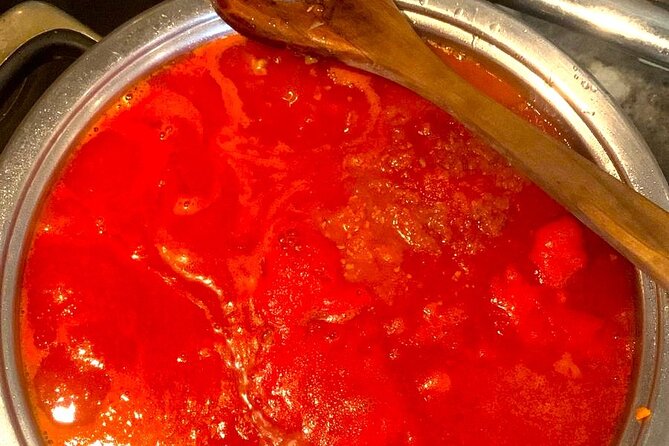
Sourdough can be a big topic, and most classes only skim the surface. Here, the whole dough process is built around a 7-year-old sourdough starter, which is exactly the kind of practical anchor that makes technique stick. You’ll use what you need during class—ingredients and supplies are provided—so you don’t waste the evening hunting for specialty items.
The key takeaway is how sourdough changes the texture you’re aiming for: a soft interior with air pockets and a crispy crust. That’s a simple, memorable description, and it’s also the difference between pizza that tastes good and pizza that feels like it was made by someone who understands dough.
You’ll also work on kneading and shaping, not just assembling toppings. If you’ve ever tried to copy a recipe and your dough felt wrong, this is the part that helps. Getting comfortable with the feel of the dough is what turns instructions into skill.
Aperitivo and Piemonte wines: how the evening gets its rhythm
Before you touch dough, you get aperitivo and wine. The wine program is designed for an Italian-meal pace: carefully curated organic wines from the Piemont region, including Nebbiolo (the grape used for Barolo), plus Chardonnay and Sauvignon Blanc. There are also other regional wines from Switzerland by Simmendinger.
This isn’t just a token pour. It’s timed to kick off the meal in a way that makes the cooking feel like part of dining, not an activity running alongside it. If you’re the type who likes food better when there’s a story behind it, you’ll appreciate the regional focus—Piemont connects to classic Italian flavors even when you’re cooking in Switzerland.
One consideration: the experience includes wine tasting, but additional drinks beyond what’s offered could cost extra. If you’re the wine-ordering type, it’s smart to keep that in mind so the bill doesn’t surprise you.
The starter, the toppings, and the hands-on pizza and focaccia work
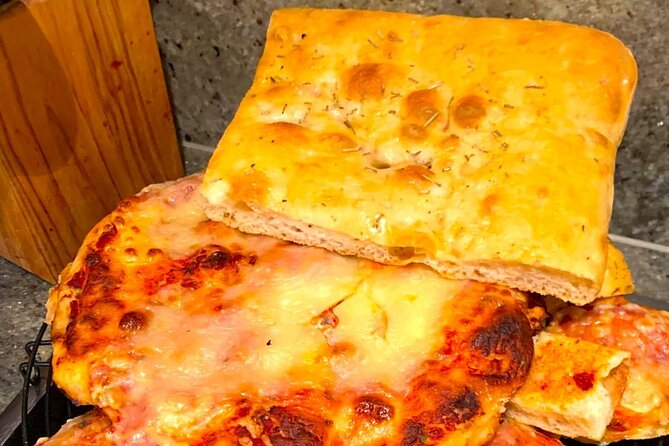
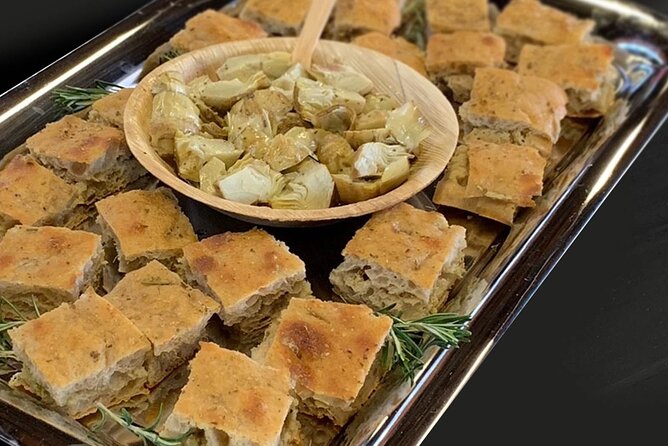
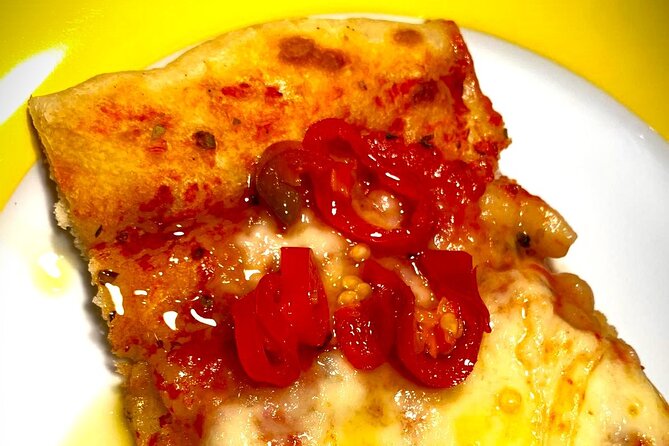
The meal starts with a Mediterranean-style starter meant to wake up your appetite. Then comes the main event: pizza and focaccia using an Italian ingredient approach. You’ll see a lineup like artichokes sautéed with balsamic vinegar, spiced semi-dried cherry tomatoes, and green olives—flavors that are bold but not complicated.
Here’s what I like about the way the cooking is described: you’re learning more than one dough outcome. You’ll make pizza, and you’ll also make focaccia with different filling ideas. The lesson is about shaping and using sourdough effectively, so you’re not stuck repeating one motion for three hours.
For pizza, you can expect options like pizza with or without mozzarella, which makes it feel flexible for real-life preferences. For focaccia, the emphasis is on how to use sourdough so you get that soft interior texture with air pockets while still delivering a crisp bite.
And yes, you’ll be physically cooking. Expect to handle the standard tools you need for a real bake—mixing bowls, measuring cups, rolling pins, dough scrapers, baking sheets, pizza peels, knives, and oven mitts. That’s a quiet value point: if you use the same tools in class, you’ll understand how to reproduce the process at home.
Dessert payoff: tiramisu with fresh farm eggs and grandma’s method
Tiramisu is the final stamp on the meal. You’ll learn how to make it using a grandma recipe, with fresh farm eggs, mascarpone, and coffee. This isn’t just “here’s dessert, enjoy.” It’s a skill you take with you.
Why this matters: dessert can be the part most classes skip or rush. Here it’s treated like the rest of the evening—something you actively make. If you’ve ever thought tiramisu is too fussy, you’ll likely leave with a calmer, more repeatable approach.
The fact that farm eggs are specifically mentioned is also a useful detail. It signals an ingredients mindset rather than a shortcut mindset, which usually leads to better texture and flavor.
Dietary needs: adaptation that sounds practical, not performative
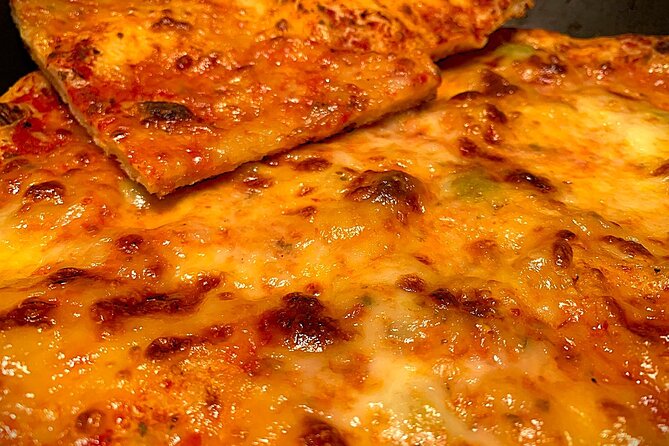
Food allergies and dietary restrictions are often where cooking classes fail. In this one, the menu can be adapted for vegan, gluten-free, and other allergy requirements. They explicitly ask you to tell them about allergies, intolerances, and restrictions in advance so they can handle your needs safely.
This is one of those “don’t wait” situations. If you have a serious allergy, you’ll want to communicate early so the cooking plan can match your diet rather than trying to improvise at the last minute. If you’re gluten-free or vegan, the upside is that you shouldn’t have to sit out the class while everyone else cooks.
What you’ll actually leave able to do at home
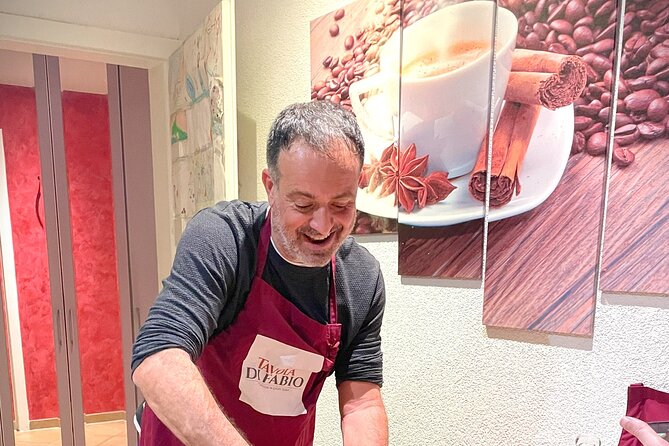
The best classes change your home cooking habits. This one is designed for that. You’ll work on kneading and shaping, learn how sourdough contributes to the desired crust and interior texture, and put it into practice through both pizza and focaccia.
Plus, there’s a take-home component: lievito madre geschenkt. In normal language, that means you’re getting the sourdough starter as a gift. That’s huge for value because you’re not just memorizing steps—you’re taking the living ingredient home and giving your next bake a real head start.
A tip for your next day: plan to keep your notes simple. Focus on what you practiced—dough feel, shaping approach, and how toppings/fillings are portioned. Those are the details that actually help you recreate results, not just the ingredient list.
Price and value: $198.22 per person for a private evening meal lesson
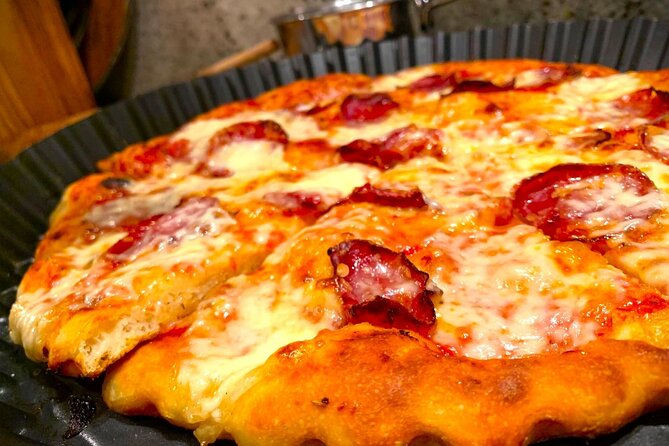
At $198.22 per person for about 3 hours, this isn’t a cheap “drop in and cook” option. But it may be worth it for the right traveler, mainly because you’re paying for three things that are hard to replicate yourself: private instruction, a high-quality ingredient setup (including the sourdough starter), and a full dinner experience with wine and dessert.
Here’s how I think about value in practical terms. If you normally buy ingredients for pizza night, you still don’t get the coaching that helps you fix dough issues. And if you only want a one-time meal, there are plenty of restaurants. The difference here is the process—this is skill-building that ends with dinner.
It’s also booked ahead on average (about 61 days), which usually suggests demand for the combination of private teaching and a true culinary menu. If your schedule is flexible, booking earlier can help you lock in the time you want.
Who should book this Basel Italian pizza and focaccia class
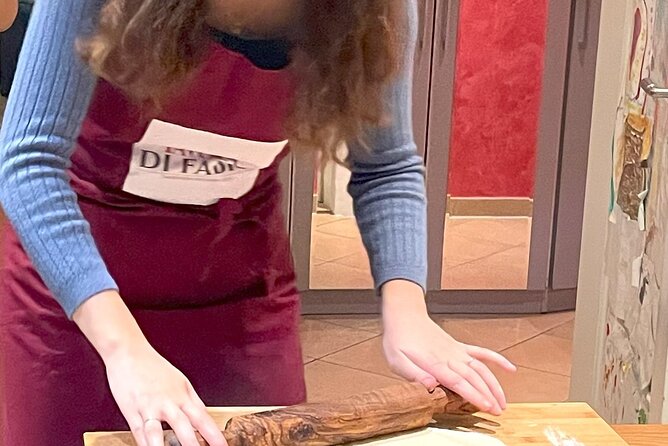
This is a strong fit if you:
- want a hands-on cooking lesson, not a demo
- like Italian food and want technique you can repeat
- enjoy evening dining with wine and a family vibe
- need menu adaptations for vegan, gluten-free, or allergies (with notice)
It’s also a great choice for couples or friends who want something more personal than a group tour. Because it’s private, the class naturally supports questions and adjustments, which is exactly when cooking lessons become memorable.
If you hate mess, you’ll still enjoy the meal—but you should plan your clothing like you’re going to bake. This is cooking, not a sit-down show.
Should you book the Homemade Italian Pizza & Focaccia experience?
I’d book it if your goal is to come home with real dough skills and an evening that feels like dinner with real hosts. The combination of private instruction, sourdough-focused technique, and a full meal including aperitivo, curated organic wines, and grandma tiramisu is a strong package for the price.
Book it with confidence if dietary needs are part of your planning—just contact them in advance so the menu can be adapted properly. Skip it only if you’re looking for a low-key, no-mess activity or you want minimal instruction. This class is made for people who like to roll up sleeves.
FAQ
Where is the meeting point for the class?
You meet at Bottmingerstrasse 10, 4142 Münchenstein, Switzerland. The experience ends back at the same meeting point.
What is included in the experience price?
It includes aperitivo, a pizza and focaccia cooking class, dinner, wine tasting, and dessert (tiramisu). Organic and high-quality wines are also included, along with the cooking experience itself.
Do you provide ingredients and the sourdough starter?
Yes. All ingredients and supplies are provided, including a sourdough starter. Lievito Madre geschenkt is also included, meaning you receive the sourdough starter as a gift.
Can the menu be adapted for vegan, gluten-free, or allergies?
Yes. The menu can be adapted for vegetarian, vegan, gluten-free, and allergy requirements. You should let them know in advance about allergies, intolerances, and dietary restrictions.
How long does the experience last and what time does it start?
It starts at 6:30 pm and lasts approximately 3 hours.
Is the tour private, and is it offered in English?
Yes, it’s private, and it’s offered in English.
Can I cancel for a full refund?
Free cancellation is available up to 24 hours in advance of the experience start time. If you cancel less than 24 hours before, the amount paid is not refunded.