REVIEW · GOZO
Gozo: Cooking Class and Market Visit
Book on GetYourGuide →Operated by Victoria Regina Limited · Bookable on GetYourGuide
Gozo cooking turns into a story the minute you start shopping. You’ll walk through the main square of Victoria for fresh ingredients, meet a cheesemonger and a coffee roaster, then head upstairs to a fully air-conditioned open kitchen above Maldonado Bistro.
My favorite part is the hands-on cooking: you make classics like Pastizzi and Gozitan ftira, not just watch. The other big win is the value—most of your day is built in: market stops, cheese tasting, coffee, lunch, and drinks. One thing to plan for: this experience isn’t set up for wheelchair users.
In This Review
- Key highlights you’ll care about
- Market first: why Victoria’s food square matters
- A short note on timing
- Cheese, fish, and coffee: the ingredient stops that shape your meal
- Upstairs in the open kitchen above Maldonado Bistro
- Pastizzi and Gozitan ftira: rolling, shaping, and why it’s not just street food
- What to look for while you cook
- Bigilla: the savory side you may not expect
- Nougat time: making the sweet take-home
- Lunch with wine or beer: eating what you made
- Alcohol note
- Why the recipe copies and souvenir are more than a bonus
- Price and value: is $87 per person fair?
- Who should book this Gozo cooking class
- A realistic expectation of the host and pace
- Should you book Gozo Cooking Class and Market Visit?
- FAQ
- FAQ
- How long is the Gozo cooking class?
- Where does the cooking class take place?
- What dishes will I make?
- Is lunch included?
- Do I get recipes to take home?
- Is cheese tasting included?
- Are there options for food allergies or intolerances?
- What language is the host?
- Is transportation included?
- Is it suitable for wheelchair users?
Key highlights you’ll care about
- Market shopping in Victoria before you cook, so your meal starts with real local produce
- Cheese-monger stop with tasting, plus visits that include fish hawker and butcher for ingredient talk
- Open, air-conditioned kitchen above Maldonado Bistro, designed for an interactive class
- Hands-on Maltese cooking: Pastizzi, Gozitan ftira, and traditional nougat, plus Bigilla
- Lunch you actually made, with unlimited water and a glass of wine or beer
Market first: why Victoria’s food square matters
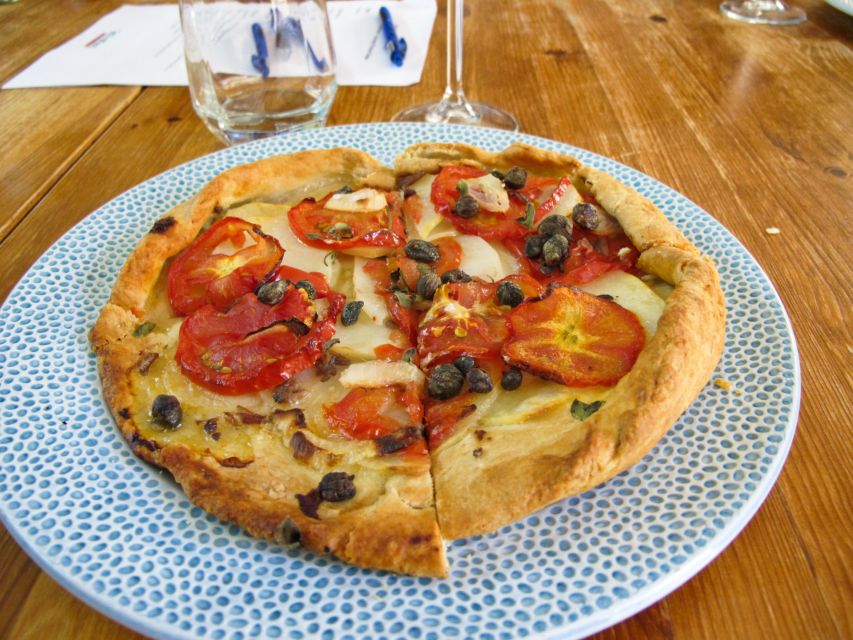
The class doesn’t begin with aprons. It starts in the main square area in Victoria, where food used to be the main focus of daily shopping. That detail matters, because it changes how you cook. Instead of feeling like you’re following a recipe, you’re picking ingredients with a local logic behind them—what’s fresh, what’s paired together, and why certain flavors show up again and again in Gozo kitchens.
You’ll also get a quick, practical feel for how Maltese and Gozitan food culture works at street level. You’re not just tasting finished dishes; you’re learning where they begin. And if you’ve ever wondered why people argue about which cheese goes with which snack, this is the kind of place-and-people context that answers that fast.
You can also read our reviews of more tours and experiences in Gozo.
A short note on timing
With only 4 hours, the day is organized so you can shop, cook, eat, and still leave with recipes in hand. Expect a schedule that moves—this isn’t a slow, extended sightseeing day.
Cheese, fish, and coffee: the ingredient stops that shape your meal
After the square, the stops start to feel like a mini tour of Gozo’s food supply chain. You’ll visit a cheese-monger, along with stops that include a fish hawker and butcher as part of picking what you need for the cooking session. A cheese tasting is included, which is a smart move for a class like this. You get your taste buds calibrated before you start rolling dough.
One review highlighted meeting Joe, an award-winning cheesemonger. Even if you don’t catch Joe specifically, you should expect the vibe of a real food chat—why a cheese works, what it tastes like, and how it’s used locally. Same for coffee: you’ll refresh at a coffeehouse and kitchen tied to Vicky Coffee, where the roaster is part of the experience.
Here’s what I like about building the class around these stops: you end up with a mental map. Later, when you see pastizzi filling variations or how ftira toppings are chosen, you’ll know there’s a reason, not just tradition for tradition’s sake.
Upstairs in the open kitchen above Maldonado Bistro
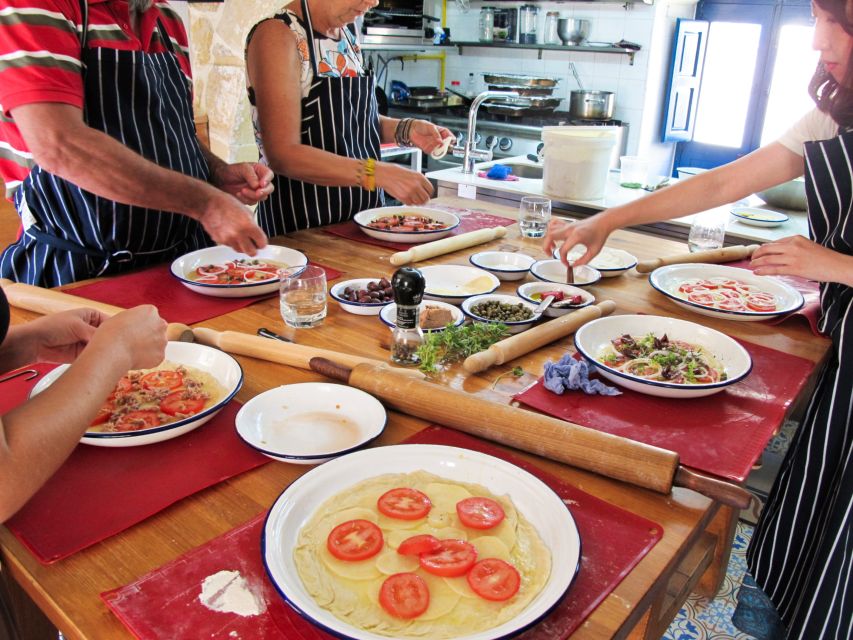
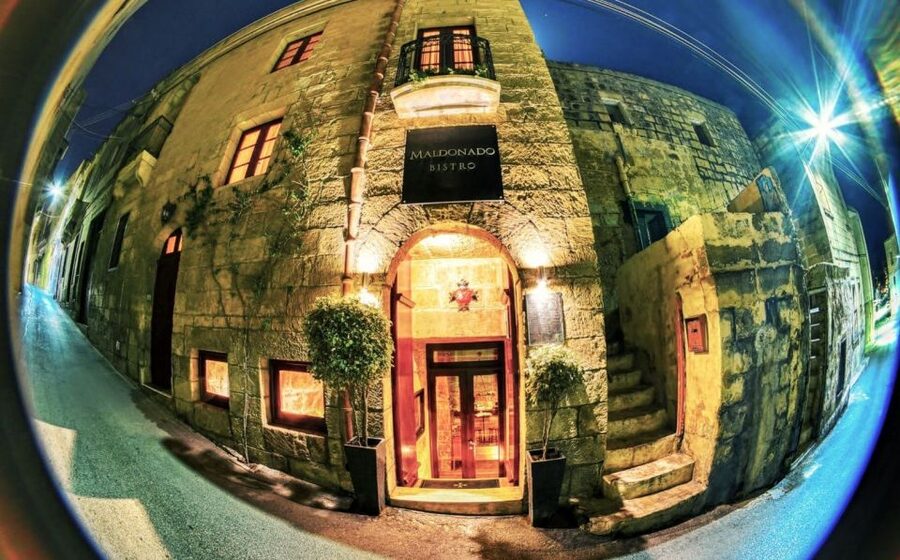
Once you head to the cooking space, the tone shifts to focused fun. The class takes place in an open kitchen above Maldonado Bistro, and the space is fully air-conditioned. There’s seating too, which helps if you want to rest between steps or watch while others cook.
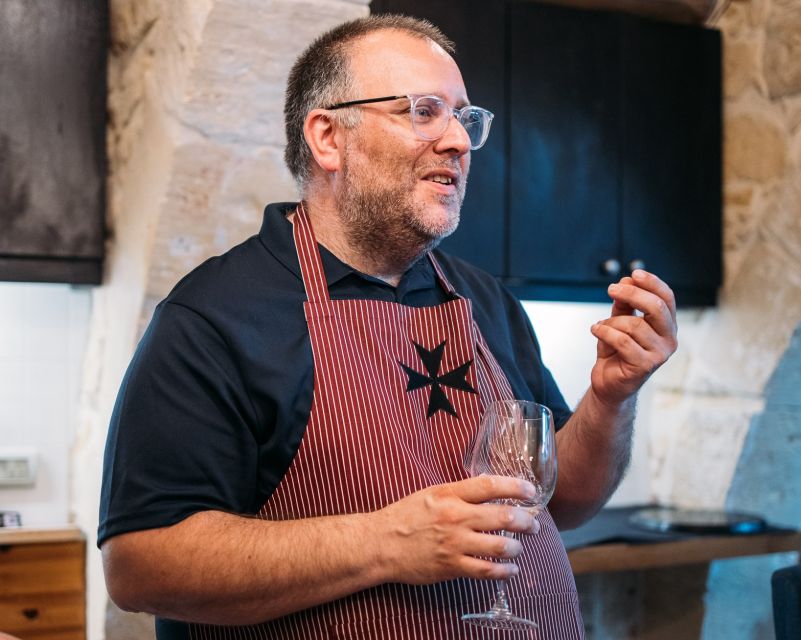
Because it’s an open kitchen, you don’t feel sealed off. You can ask questions, watch techniques, and generally learn by doing without being turned into a passive spectator. The kitchen format also helps the host tell food stories as he demonstrates—those moments make the recipes stick.
If you’re someone who likes hands-on learning but also likes breathing space, an open layout with air-conditioning is a good setup. This is the kind of cooking class that aims to feel like a real meal-making session, not a staged show.
Pastizzi and Gozitan ftira: rolling, shaping, and why it’s not just street food
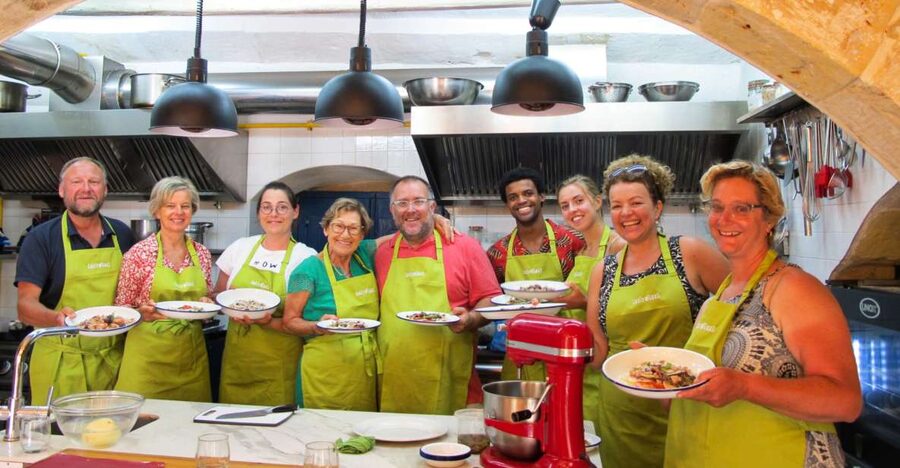
This is where you’ll roll up your sleeves for the core Maltese snacks. The plan includes making Pastizzi and a Gozitan ftira. These two dishes are popular for a reason: they’re portable, comforting, and they show up across everyday food culture.
In a hands-on class, the real value is technique—how the dough behaves, how fillings are handled, and how to avoid common mistakes like overfilling or sealing poorly. You’ll be expected to participate in the preparation, so you’re actively building the meal rather than just assembling plates at the end.
What to look for while you cook
You’ll get the most out of this part if you pay attention to small steps:
- Dough consistency and how it’s handled
- How fillings are portioned and distributed
- How the final shape affects cooking
That’s not just cooking advice; it’s the difference between making something edible and making something that tastes like it belongs in Gozo.
Bigilla: the savory side you may not expect
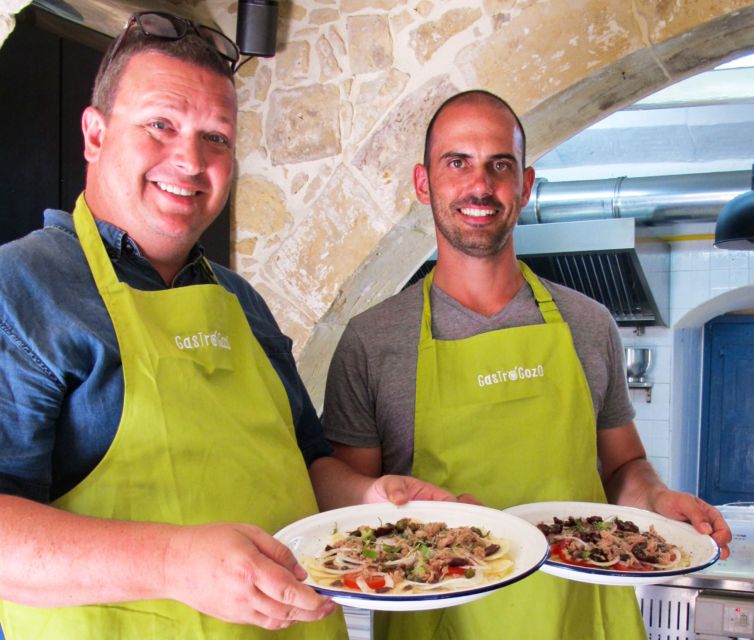
Along with the better-known pastry snacks, you’ll also make Bigilla. If you haven’t heard of it before, expect a traditional, local take on savory flavor. Including Bigilla in the class is a smart teaching choice. It rounds out the meal so the experience feels like a real spread, not only pastries and sweets.
This is also a good point for you to ask questions about ingredients and texture. With only a 4-hour window, the class needs to be efficient, and Bigilla’s preparation can teach you how Maltese home cooking thinks about seasoning and texture, even before you move into the more visibly “hands-on” dough work.
Nougat time: making the sweet take-home
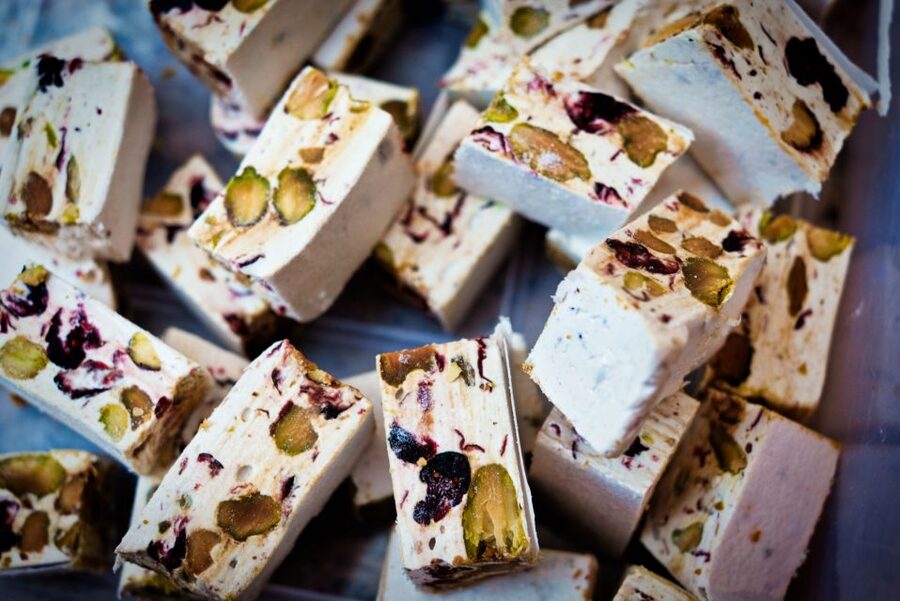
The cooking doesn’t stop at savory. You’ll also make traditional nougat, which gives you a second skill set: sweets. Even if you’ve made dessert before, nougat has its own pacing—timing and careful handling matter.
What I like about ending with nougat is that it naturally supports the feeling of finishing with something you can share. And since the class provides a copy of all recipes plus a food souvenir to take home, the nougat part becomes more than lunch. It becomes a memory you can repeat.
Also, in this kind of class, sweets often reveal what you learned earlier. If you’ve been watching how the host explains ingredients and technique, you’ll notice the same logic shows up again in the sugar work.
Lunch with wine or beer: eating what you made
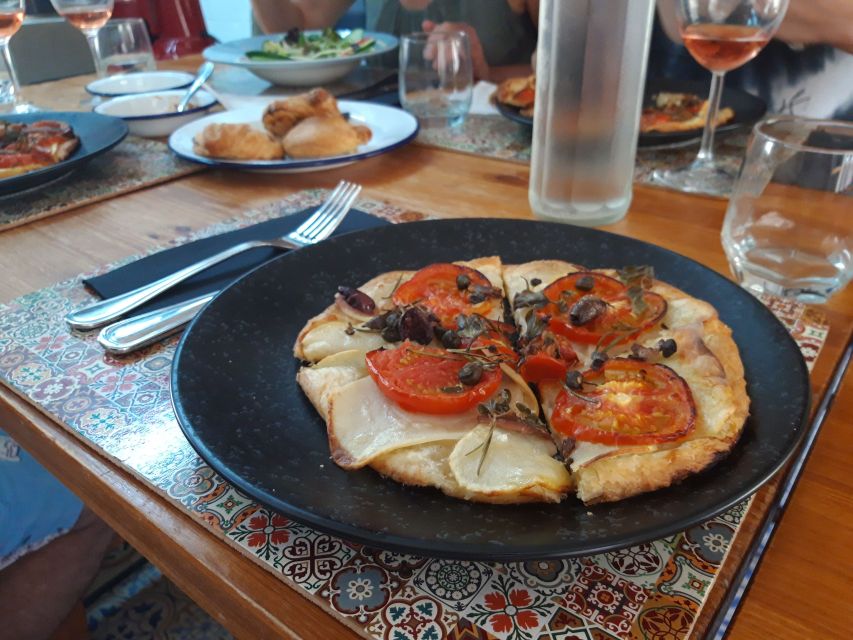
After cooking, you sit down to the most satisfying part—eating the results. Your lunch includes what you prepared, along with unlimited water and a glass of wine or beer. Coffee comes at the end of the experience.
This is the biggest practical reason to pick a cooking class like this: you’re not wasting half your money on “experience” that never turns into food. You’ll eat real portions from your own work. For me, that’s what makes it feel worth the time. You leave full, with recipes, and with better instincts for ingredients next time you’re cooking at home.
Alcohol note
The lunch includes a glass of wine or beer, but you can plan your day accordingly. If you prefer not to drink, consider asking in advance when you book so the host can advise what’s possible.
Why the recipe copies and souvenir are more than a bonus
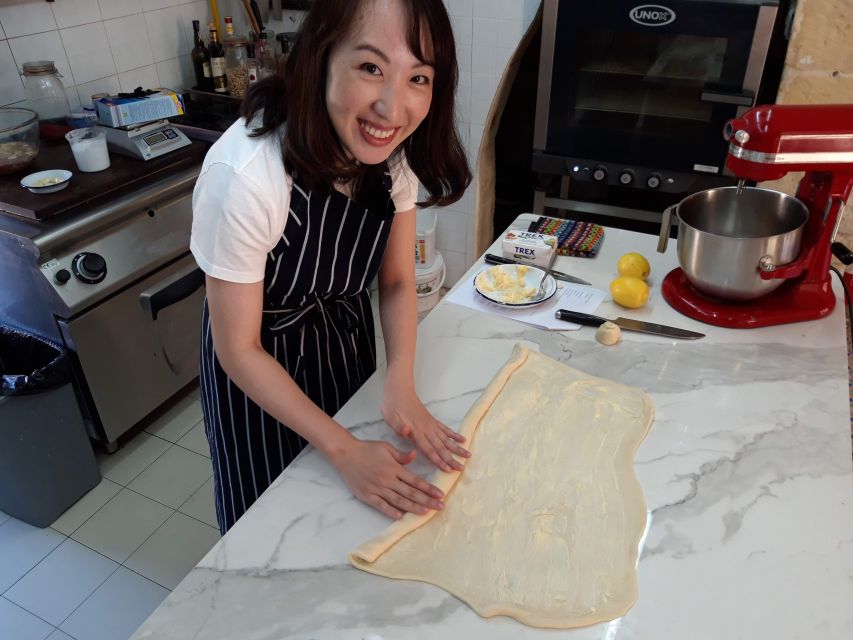
The class includes a copy of all recipes shared with guests and a food souvenir. That sounds simple, but it changes the value equation.
Cooking classes often fail at the last step: people learn a technique, then take nothing home they can use. Here, you’re leaving with written guidance. That means you can try the recipes again, and you’ll remember the “why” behind the steps you did in the kitchen.
And the food souvenir? That’s the kind of little extra that helps you extend the day beyond lunch. It’s a tangible reminder of the local ingredients and flavors you worked with.
Price and value: is $87 per person fair?
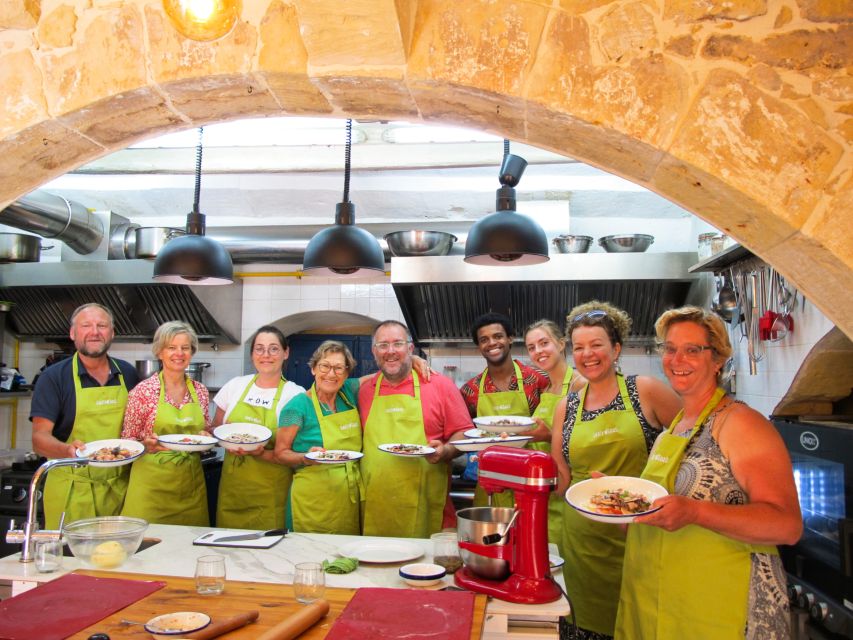
At $87 per person for a 4-hour experience, you’re paying for a lot that’s bundled into one block of time: market shopping in Victoria, visits that include a cheese-monger plus other food stops, coffee at the coffeehouse and kitchen, hands-on cooking for multiple dishes, lunch with drinks, and coffee at the end. You also get recipe copies and a food souvenir.
The value is strongest if you want more than one outcome:
- you want to cook classic items (not just learn about them)
- you want a local food shopping context (not only a kitchen class)
- you want to eat your work immediately
If you’re only interested in one dish or you prefer quiet, sit-and-watch learning, it may feel like a lot. But for most people who enjoy active cultural experiences, this price makes sense because the “hidden extras” are handled for you.
Who should book this Gozo cooking class
This class fits you best if:
- you like hands-on cooking with guided technique
- you want a food-focused way to understand Gozo and Maltese ingredients
- you enjoy meeting local food people and hearing ingredient stories
You might skip it if:
- you need wheelchair-accessible experiences
- you prefer long, slow meals with lots of free time
One small clue from past participants: the group size has felt personal, with examples of around six people. Smaller groups usually mean more hands-on attention and easier conversation, and this style of class is designed to support that.
A realistic expectation of the host and pace
The host runs this from the background as a restaurant owner and long-time Gozo resident. Chef George is the named instructor, and the class style is interactive and story-driven. If George isn’t available, the experience can continue with an assistant instructor (Alani is mentioned in one case). That matters because it tells you the operation is built to keep the cooking moving, not pause if someone is unwell.
The pace is structured. You’ll shop, stop for coffee and tasting, cook in an open kitchen, and then eat. This is one reason people tend to finish the day feeling satisfied rather than tired and empty.
Should you book Gozo Cooking Class and Market Visit?
Yes, if you want a compact, high-touch way to experience Gozo food culture. You get market context in Victoria, ingredient stops with cheese tasting and coffee, and hands-on making of Pastizzi, Gozitan ftira, Bigilla, and traditional nougat—then you eat lunch with drinks and end with coffee. You also leave with recipe copies and a food souvenir, so it’s not only about the day.
If you’re looking for a purely sightseeing tour, this isn’t that. But if you like learning by doing and eating what you make, this one is an easy recommendation.
FAQ
FAQ
How long is the Gozo cooking class?
It lasts 4 hours.
Where does the cooking class take place?
The cooking happens in an open kitchen above Maldonado Bistro in Gozo, after you meet for the market and square shopping.
What dishes will I make?
You’ll make Bigilla, Pastizzi, Gozitan ftira, and traditional nougat.
Is lunch included?
Yes. Lunch is included, along with unlimited water and a glass of wine or beer. Coffee is served at the end.
Do I get recipes to take home?
Yes. You receive a copy of all recipes shared during the experience.
Is cheese tasting included?
Yes. The itinerary includes a visit to a cheese-monger and includes cheese tasting.
Are there options for food allergies or intolerances?
You should inform the team in advance about any allergies and/or intolerances. The class can be adapted if you let them know beforehand.
What language is the host?
The host or greeter is English.
Is transportation included?
No. Transportation is not included.
Is it suitable for wheelchair users?
No. It is not suitable for wheelchair users.